From "Ammonia Spike" to "Zero Ammonia" Overnight
Update time: 25-10-20 Views: 971
"Crystal-clear water, happy fish" sounds easy—until invisible ammonia (NH₃) or heavy metals wipe out your prized discus or SPS overnight. Ammonia poisoning remains the No.1 silent killer in tanks. Today we'll explain where ammonia comes from, why natural zeolite often fails, and why more than 300,000 hobbyists worldwide trust AC Activated Zeolite to keep their water bullet-proof.
1. Where does ammonia come from?
- Fish waste, uneaten food, decaying leaves → protein breaks down → ammonia
- New tank, immature nitrifying bacteria → ammonia can't be converted fast enough
- Medication, filter cleaning, substrate changes → bacterial crash → ammonia spike
Levels above 0.2 mg/L burn gills; above 0.5 mg/L deaths start. "Bacteria-in-a-bottle" products need 5-7 days to colonise—too little, too late.
2. Why natural zeolite lets you down
Average surface area only 30-50 m²/g, random pore sizes, and it strips essential Ca²⁺/Mg²⁺:
- Reef tanks: corals bleach without calcium
- Shrimp tanks: low GH causes moulting deaths
Weak capacity + side effects = poor value.
3. AC Activated Zeolite—born to bind ammonia
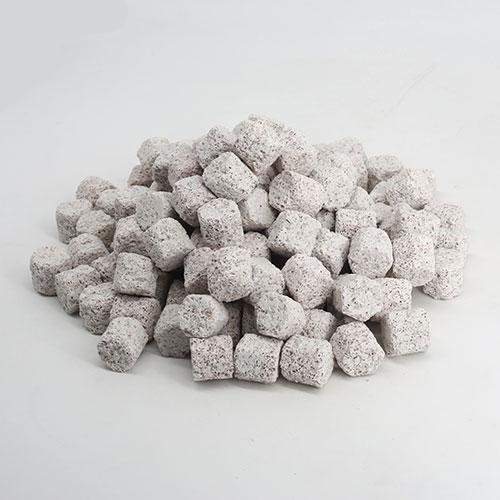
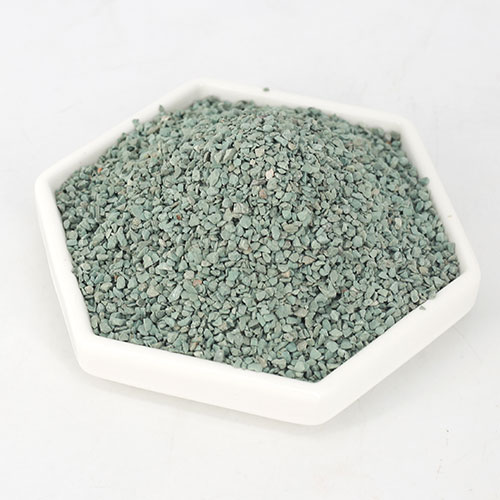
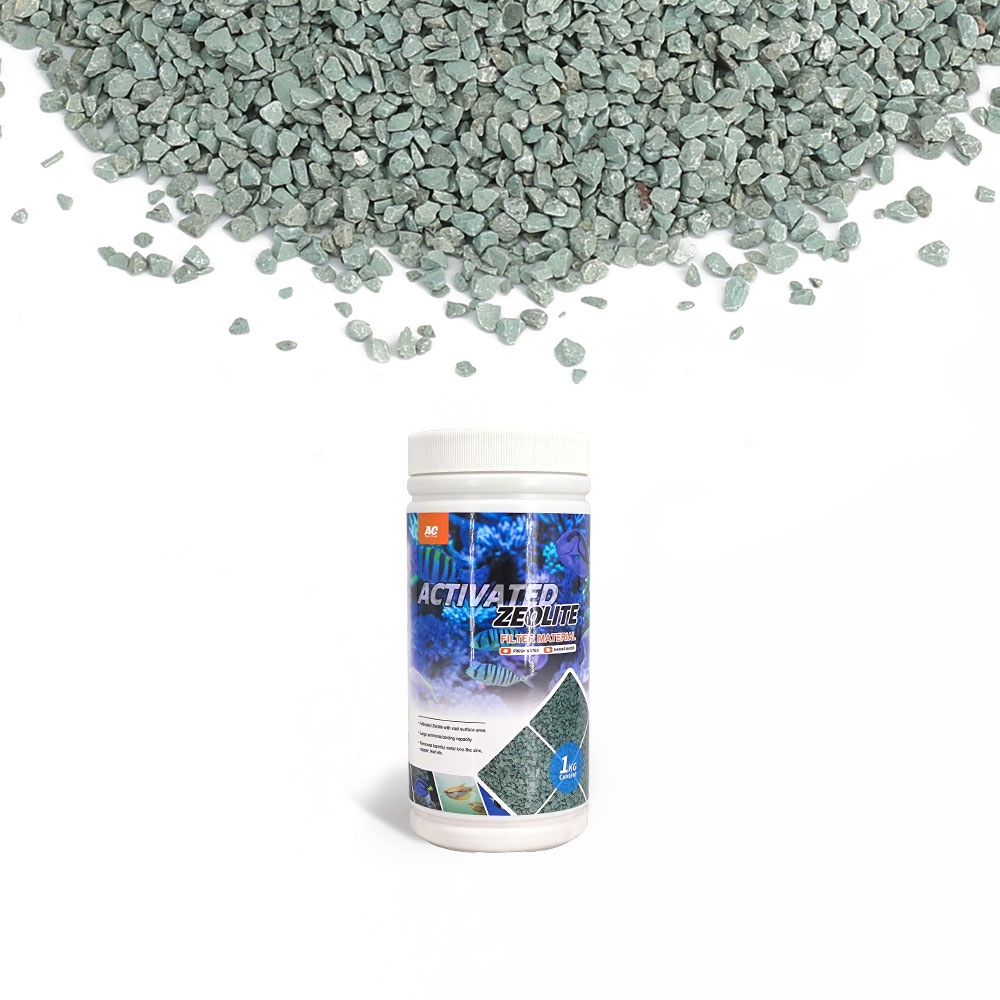
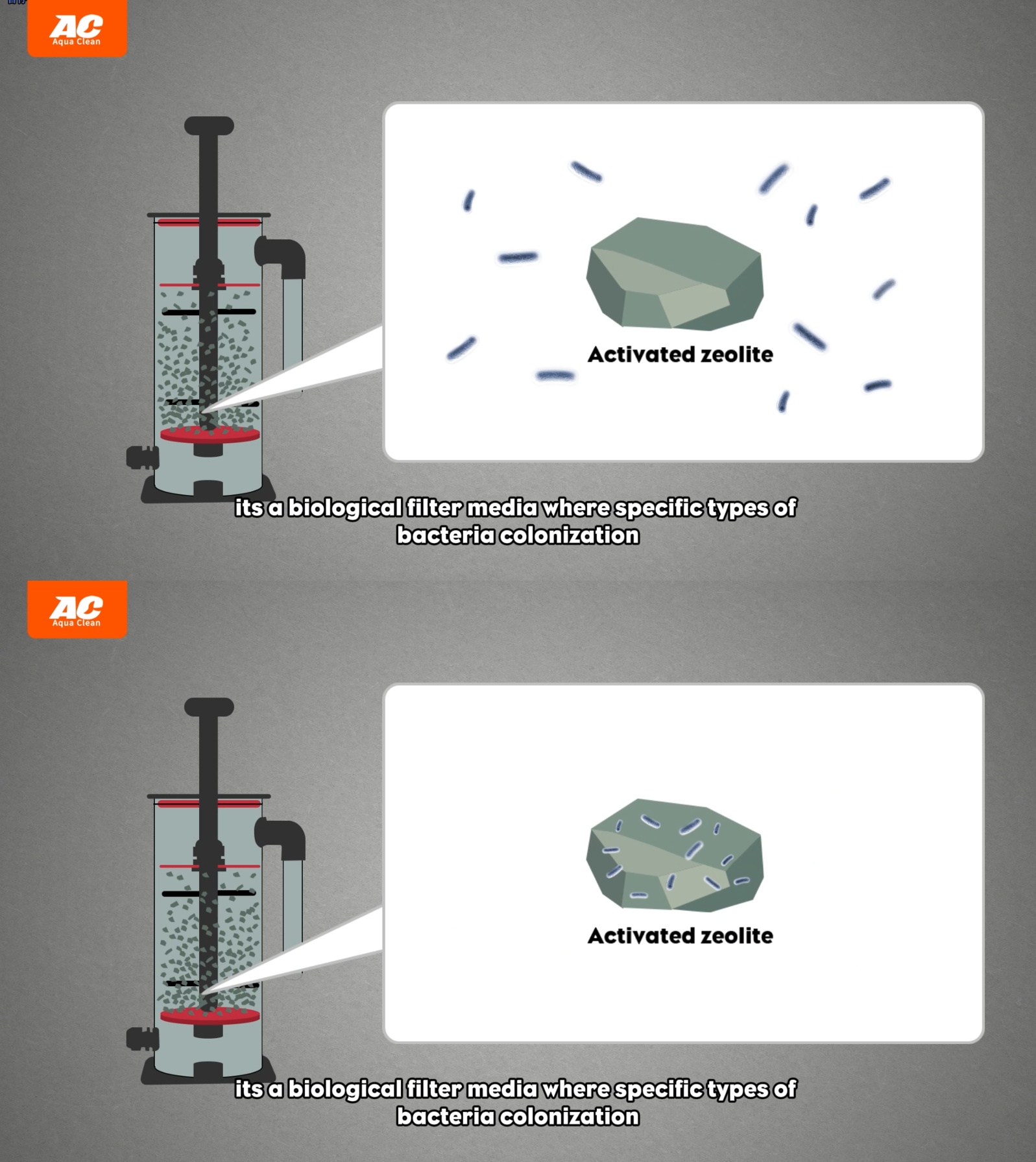
Developed with Germany's Institute of Mineralogy, our media is thermally activated and steam-expanded:
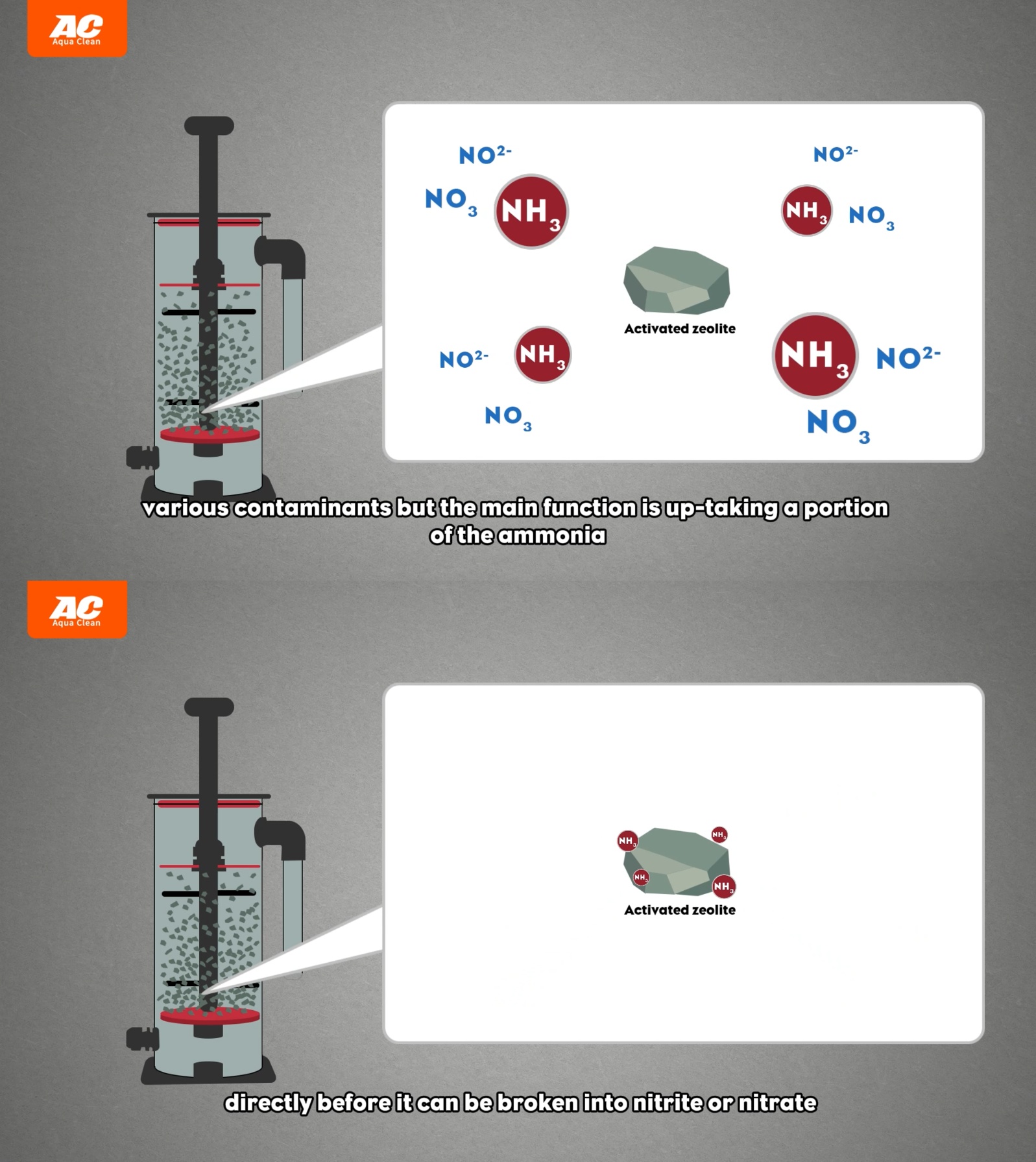
- Uniform 0-5 nm pores trap NH₃ (2.6 Å) and toxic metals, but ignore Ca²⁺/Mg²⁺
- Surface area boosted to 118 m²/g—18 % higher capacity than any competing zeolite
- Drops ammonia to ZERO within 24-48 h; Cu, Zn, Pb down >90 %
- No calcium loss in marine water, no GH rise in freshwater—safe for reefs, shrimp, Malawi, planted or predator tanks
Tested in 100 L aquarium: 200 g AC Activated Zeolite reduced 1.2 mg/L NH₃ to 0 in 24 h and kept working for 6 weeks at 80 % efficiency.
4. Real-world stories
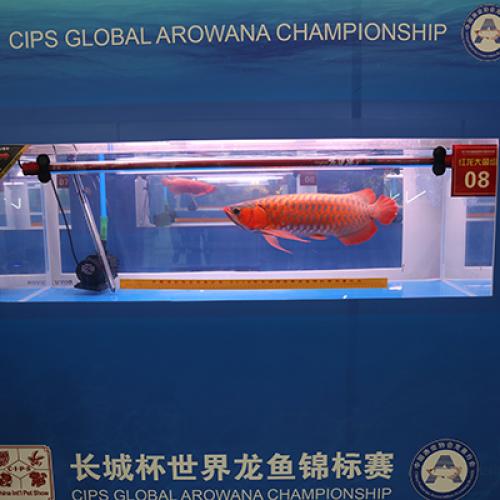
Case 1 – Mr. Lim, Singapore arowana keeper
"Brand-new 1.8 m tank, 0.8 mg/L ammonia. Added 1 kg AC Zeolite to sump—zero ammonia next day. Fish ate on day 2; parameters rock-solid for 3 months."
Case 2 – ADA-style aquascape studio, Guangzhou
"First two weeks usually mean brown algae + ammonia. This time I put AC Zeolite in the filter—NH₃ never exceeded 0.05 mg/L, plants coloured up fast, 100 % Caridina shrimp moult success."
Case 3 – Beijing Public Aquarium coral quarantine
"300 T system, chronic Cu²⁺ 0.03 ppm, SPS tips dying. 5 kg AC Zeolite pulled Cu to 0.003 ppm in 48 h; new growth visible in two weeks."
5. How to use
Dosage: 150-200 g per 100 L; double for first use
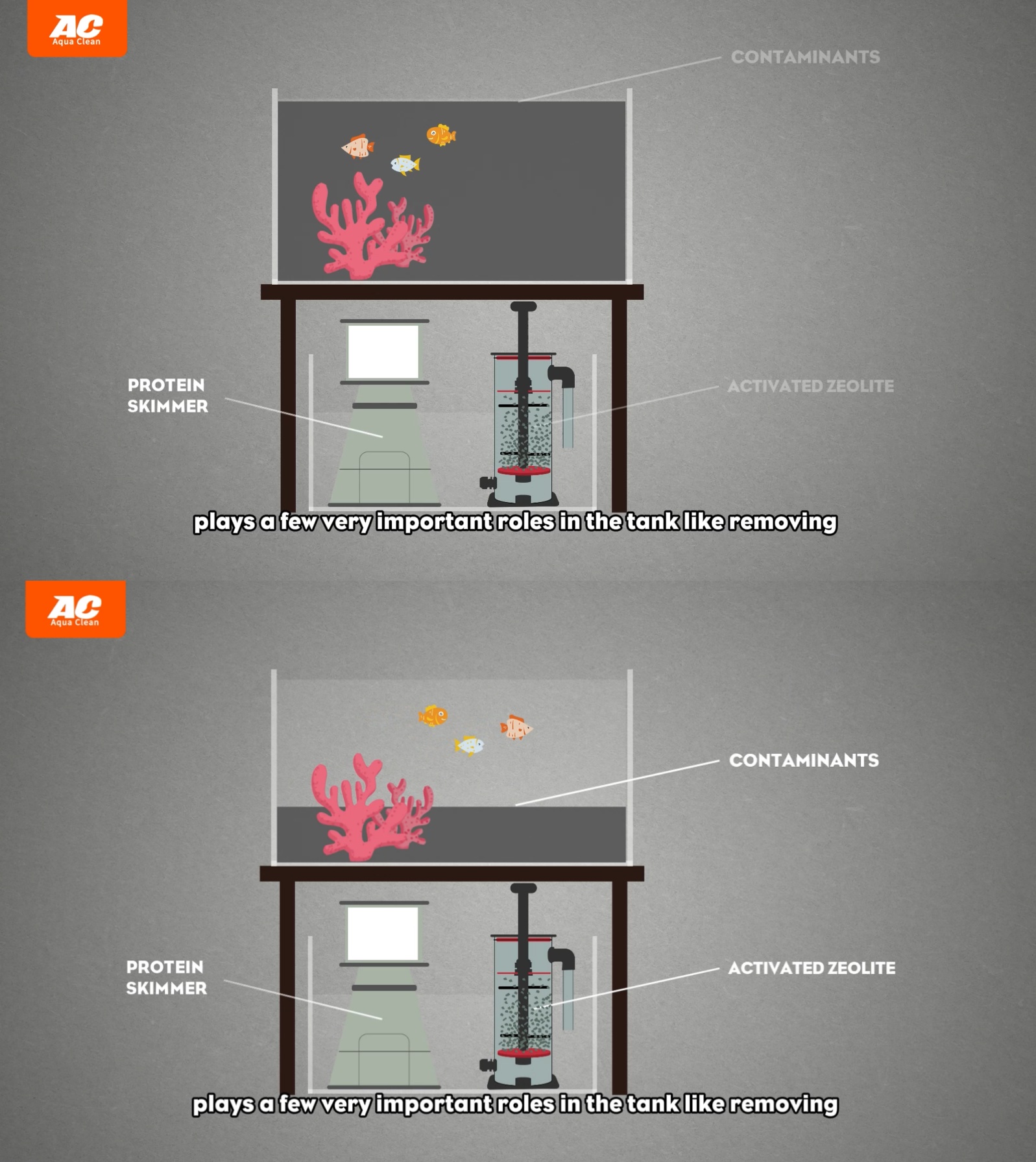
Placement: mesh bag after mechanical, before biological media
Regeneration: soak in 10 % brine 2 h, rinse, dry 80 ℃; reusable 3×
Combo: add AC Nitrifying Bacteria Capsules to cycle new tanks in 3-5 days
Caution: do not place together with strong-acid softening resin
6. FAQ
Q: Will it absorb medications?
A: Only ionic meds (copper, methylene blue). Remove media temporarily if dosing non-ionic antibiotics.
Q: Does it crumble?
A: 4-6 mm granules, 4.5 Mohs hardness—no dust for 12 months under normal flow.
Q: Service life?
A: Replace or regenerate after 6 weeks (4 weeks in high-calcium marine systems).
Great livestock needs great water. One right filter medium can turn a beginner into an "air-water" guru; one wrong choice can send a veteran back to square one. AC Activated Zeolite speaks with numbers and reputation—zero ammonia in 24 h, healthier fish, and peace of mind for you. Keep a bag in your cabinet: new-tank start-ups, emergency rescues, or routine maintenance—your fish deserve a truly toxic-free home.