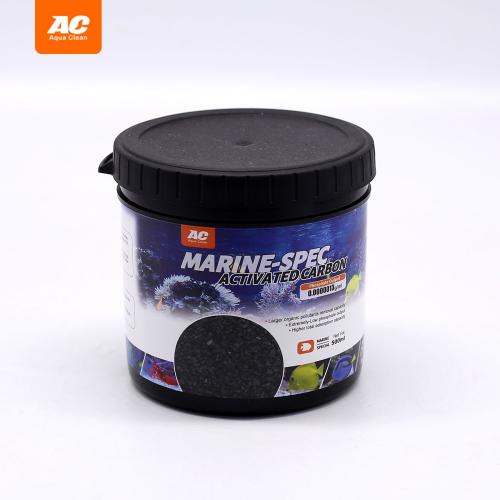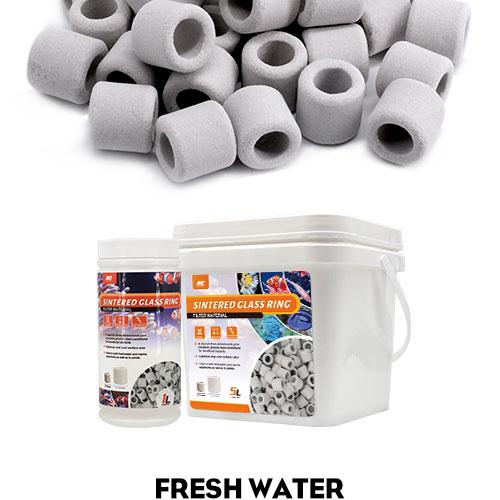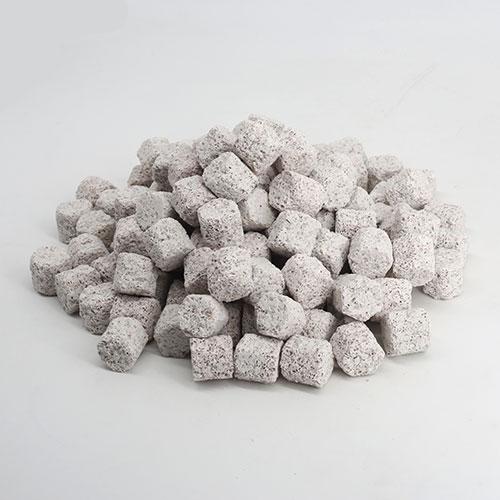

Why Your Reef Tank Keeps Struggling: You May Be Using the Wrong Activated Carbon — AC Marine-Spec Activated Carbon, Built for Reef Aquariums
Update time: 26-10-16 Views: 31
Why Does Your Reef Tank Always Seem "Green"?
For marine and reef aquarium hobbyists, water quality management is the one challenge you can never avoid. Your protein skimmer is running, you're doing regular water changes — yet nuisance algae keeps creeping across the glass, your corals look dull and withdrawn, and the water has a stubborn yellowish tint.
The problem likely lies with dissolved organic pollutants and phosphate (PO₄). Fish waste, uneaten food, and coral secretions all break down into organic compounds that mechanical filtration and skimming simply cannot fully remove. These dissolved substances deplete dissolved oxygen, inhibit coral growth, and fuel algae blooms — slowly degrading your entire system.
This is where activated carbon comes in as the most widely used "water purification guardian." But here's the catch: most standard activated carbons have one fatal flaw when used in reef tanks — phosphate leaching.
The Hidden Risk of Ordinary Activated Carbon: Phosphate Leaching
Phosphate is fuel for algae, and enemy number one in a reef aquarium. Elevated PO₄ leads to:
- Explosive growth of green algae, diatoms, and hair algae that outcompete corals
- Stunted coral calcification, stalled growth, and even bleaching
- Yellowed, cloudy water that ruins the visual appeal of your tank
Unfortunately, many activated carbons on the market contain significant phosphate from raw materials and production processes. Once placed in your tank, they continuously leach PO₄ back into the water — creating a vicious cycle where the carbon "purifies the water while feeding the algae." That's why, for reef keepers, phosphate output is the single most important metric when choosing activated carbon.
AC Marine-Spec Activated Carbon: Cutting Off Algae's Food Source at the Root
AC has been dedicated to aquarium filtration media for years. Designed specifically for the unique demands of marine and reef aquariums, we've developed this Marine-Spec Activated Carbon. Through specialized processing, its phosphate output is controlled at 0.0000013 g/ml — an almost undetectable level — eliminating algae-fueling risks at the source. It truly "adsorbs only, releases nothing."
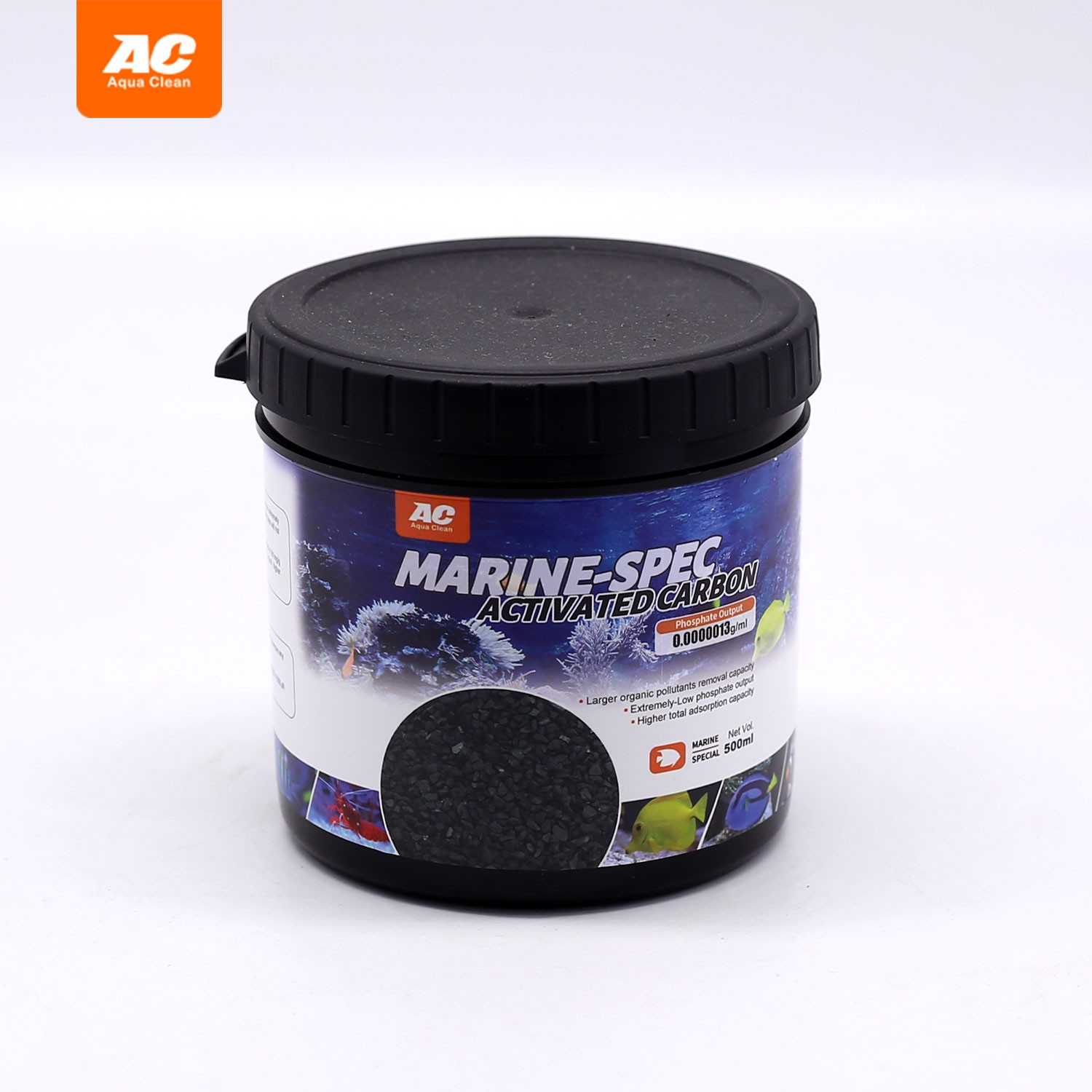
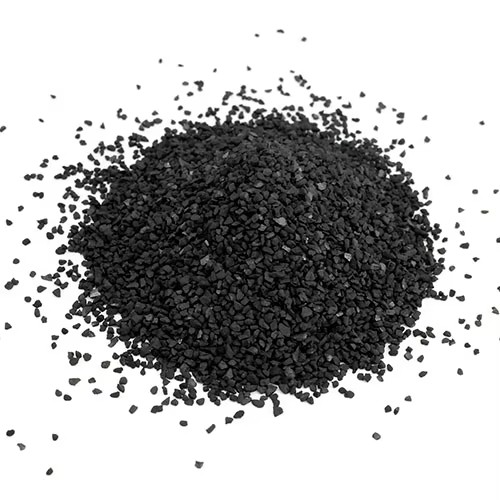
At the same time, its ash content is extremely low, so it won't cloud your water or cause pH swings even with long-term use, keeping the marine chemistry stable. This matters enormously for sensitive corals and marine life: pH fluctuations are a major stressor, and a low-ash carbon keeps your water stable and pristine over the long haul.
More Than Low Phosphate: 181 mg/g Methylene Blue Adsorption, Far Beyond Ordinary Carbon
The core skill of activated carbon is adsorption. The two gold-standard metrics for judging carbon performance are the Iodine Number and the Methylene Blue Number:
- The Iodine Number reflects adsorption capacity for small molecules
- The Methylene Blue Number measures adsorption of medium-molecular-weight organics — the most common dissolved pollutants in reef tanks. The higher the number, the better
Verified by an accredited testing institution, AC Marine-Spec Activated Carbon delivers an Iodine Number of 991 mg/g and a Methylene Blue Number of 181 mg/g — far surpassing ordinary carbon products. This means:
✅ Rapid, efficient removal of organic pollutants — fish waste, decomposing food, coral mucus, and more
✅ Eliminates medication residues and yellowing compounds — leftover treatment chemicals and yellow tints are adsorbed clean
✅ Rich micropores and huge surface area — Pore Volume of 1.04 ml/g and Total Surface Area of 1000 m²/g: every grain of carbon is working at peak efficiency
In real-world use, once AC Marine-Spec Activated Carbon is placed in your filter compartment, you'll typically see visibly clearer water within days, corals gradually recovering, and algae growth slowing down significantly.
Product Specifications
Item
Specification
Product Name
AC Marine-Spec Activated Carbon
Size
500mL per jar
Particle Size
0.6–2.3mm flakes
Density
0.55 g/cm³
Pore Volume (PV)
1.04 ml/g
Total Surface Area (TSA)
1000 m²/g
Phosphate Output
0.0000013 g/ml
Methylene Blue Number
181 mg/g
Iodine Number
991 mg/g
Main Functions
Water purification, adsorption of harmful substances, reduced phosphate risk
Application
Marine aquariums, reef tank filter compartments
Usage Tips
1. Placement: Place the carbon in a filter media bag and position it in a high-flow area of your sump or filter, allowing water to pass fully through the media. Replace monthly for best performance;
2. Pair with a protein skimmer: Carbon removes dissolved organics while a skimmer removes particulates and surface-active compounds — together, they deliver twice the results;
3. Post-treatment use: After medicating your fish, add activated carbon once treatment ends to rapidly remove residual medication and reduce harm to corals.
A healthy reef tank is built on careful attention to every detail. Choosing the right activated carbon isn't just "a nice bonus" — it's a critical step in algae control, water clarity, and pH stability at the source. With ultra-low phosphate output and exceptional adsorption performance, AC Marine-Spec Activated Carbon creates a clear, pure, and stable environment for corals and marine life — so every glance reveals the brilliance of the deep blue.