Is Your Aquarium Water Cloudy and Algae Out of Control? You May Be Ignoring the "Invisible Killer" — Organic Waste
Update time: 26-05-12 Views: 327
1. Why a "Clean" Aquarium Can Still Get Sick
Many aquarists face this puzzle: water changes every week, a fully cycled nitrogen system, yet the tank still turns yellow, grows algae, and the fish look lethargic.
The culprit is often Dissolved Organic Compounds (DOC).
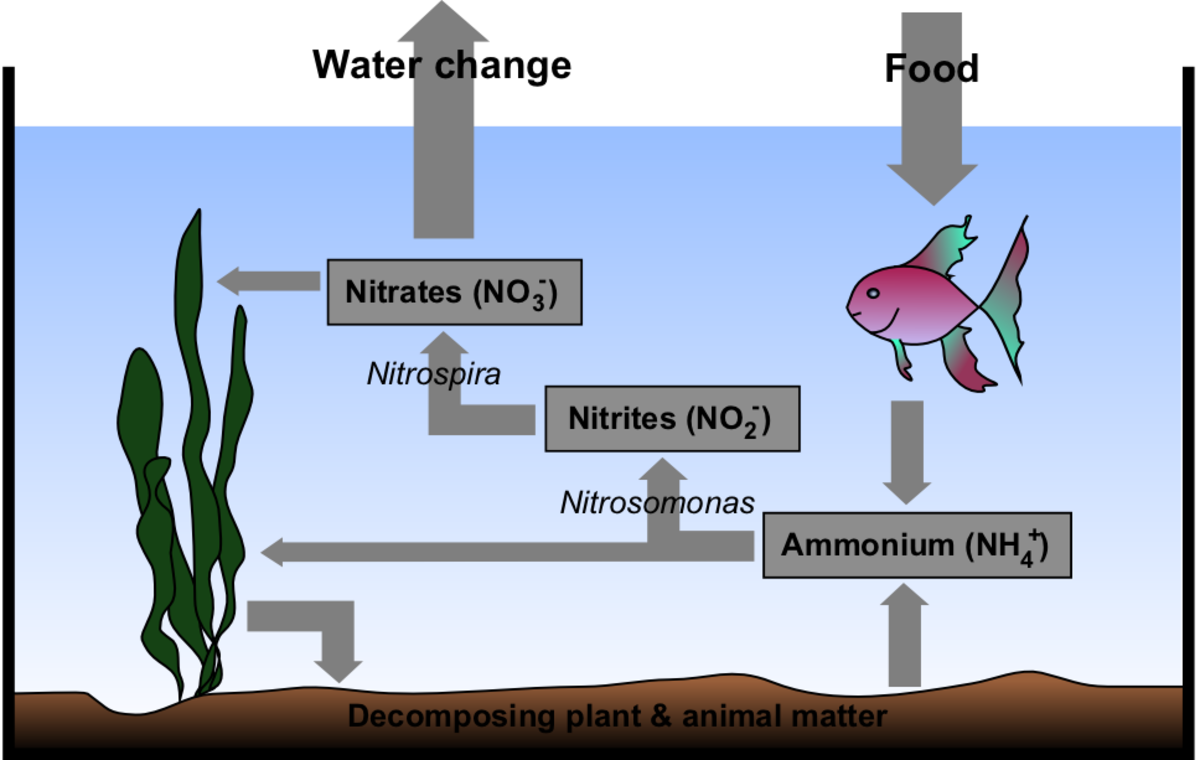
Fish waste, uneaten food, decaying plant leaves, and bacterial metabolites continuously release organic pollutants. These invisible substances not only yellow the water and cause odors, but they are also the "factory" for ammonia, nitrite, and nitrate — as organics decompose, they convert step-by-step into toxic nitrogen compounds. Once nitrate accumulates, it triggers explosive growth of cyanobacteria, brown algae, and hair algae, creating a vicious cycle.
2. The Blind Spot of Mechanical Filtration: Why Sponges and Ceramic Rings Aren't Enough
Traditional filter floss and bio-sponges only intercept large particles. For dissolved molecules like organic pigments, proteins, and fatty acids, mechanical filtration is nearly useless. This explains why some tanks have clean filter pads but still suffer from yellow, cloudy water.
To solve this, you need chemical adsorption filtration specifically targeting organics — a "water quality first aid" technique commonly used by professional aquarists and breeding facilities.
3. AC AquaClean Organic Remover: From Passive Interception to Active Adsorption
AC AquaClean, a brand dedicated to aquarium filter media R&D, developed the Organic Remover (AC6041805) precisely for this pain point.
Core Technology: Macro-Porous Alkalescence Synthetic Polymer
Unlike ordinary activated carbon or ion-exchange resins, the AC Organic Remover uses a macro-porous alkalescence synthetic polymer with exceptionally high surface area and selective adsorption capacity:
- Broad-spectrum adsorption: Captures both soluble and insoluble impurities, including humic acids and protein breakdown products that cause yellow water
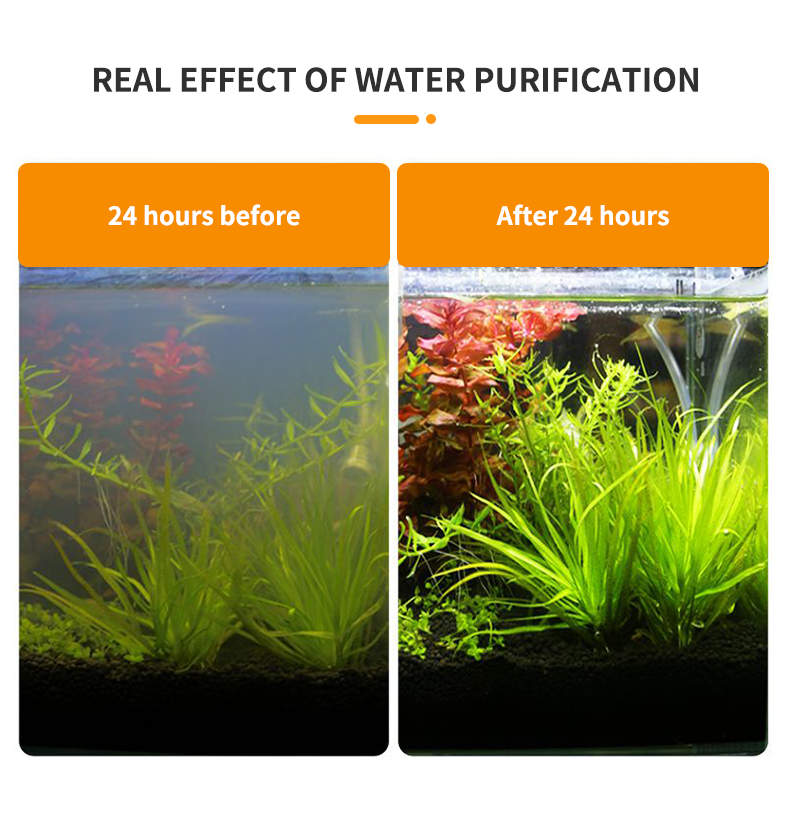
- Decolorization & deodorization: Rapidly restores "old water" to the crystal clarity of an air-scape tank
- Antioxidant protection: Reduces oxidative stress, creating a more stable environment for sensitive species like discus and crystal shrimp
Multi-Effect in One: Nitrogen Control at the Source
What makes the AC Organic Remover exceptional is its ability to indirectly control ammonia (NH₃), nitrite (NO₂⁻), and nitrate (NO₃⁻) — by intercepting the organic precursors of these toxins. When organic pollution is removed promptly, the burden on biological filtration drops dramatically, easing pressure on the nitrification system.
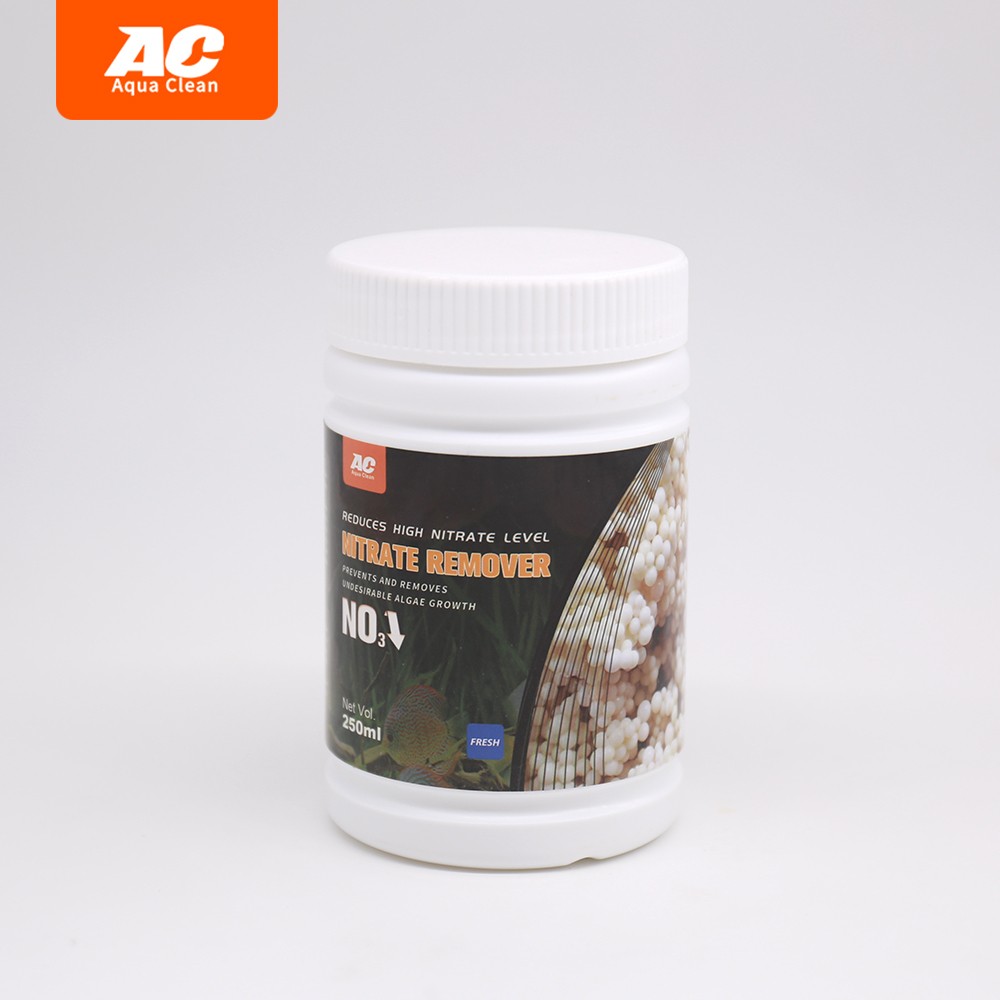
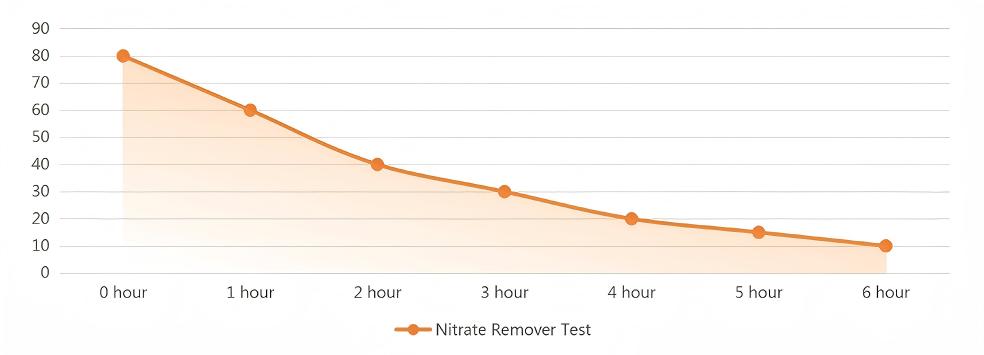
This creates perfect synergy with the Nitrate Remover in AC AquaClean's product line: the Organic Remover "cuts off the source," while the Nitrate Remover handles "end-of-pipe treatment." Together, they enable truly long-term stable water quality management.
4. Visible "Smart Indicator": Color Change Tells You When to Regenerate
The AC Organic Remover features a highly practical color indicator system.
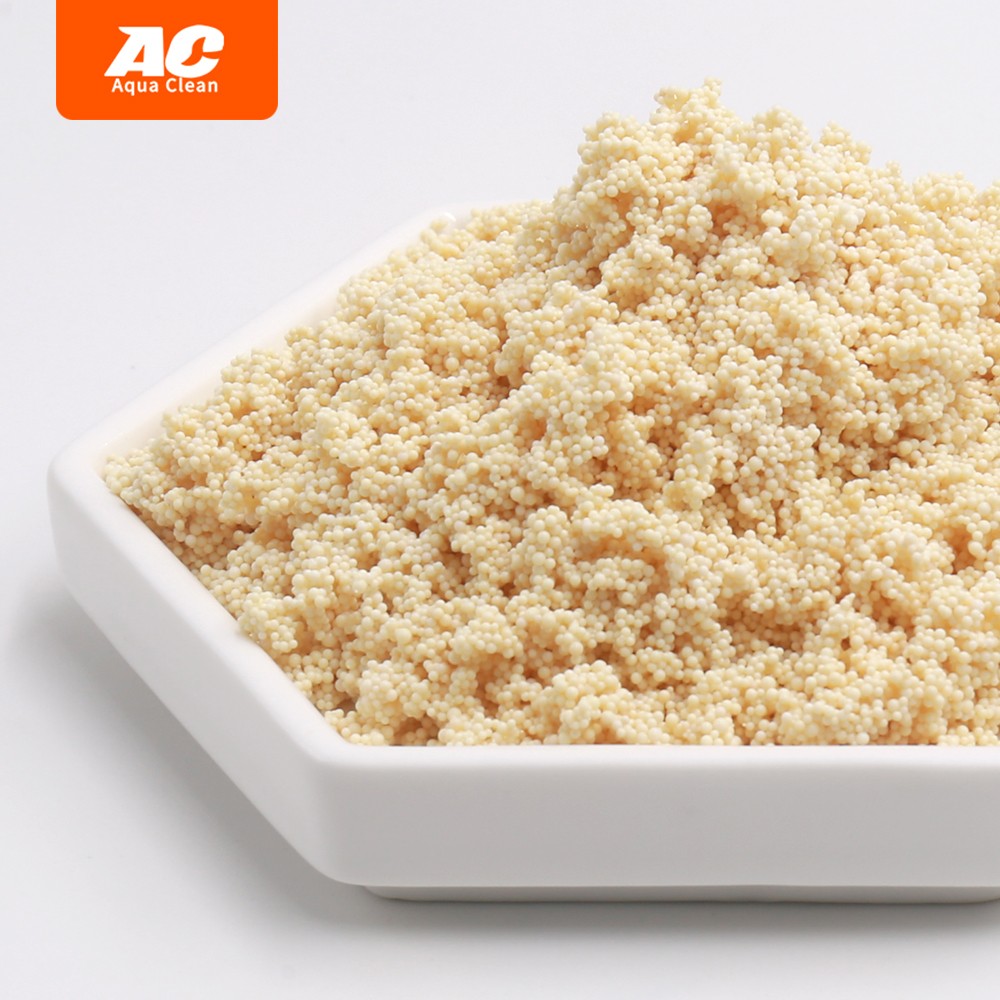
New resin appears pale blonde/light beige. As it adsorbs organic waste, it gradually turns dark brown to nearly black. This intuitive color change allows aquarists to determine saturation at a glance — no guesswork needed.
Regeneration Method (Reusable & Eco-Friendly)
When the resin changes color, simple regeneration restores its activity:
1. Place saturated resin in a non-metallic container
2. Prepare a 1:1 bleach solution using regular 8.25% sodium hypochlorite household bleach (unscented, no dyes, non-splash-less type)
3. Soak in a well-ventilated area for 24 hours
4. Rinse thoroughly, then soak in dechlorinator solution for 8 hours to neutralize residues
5. The resin regains its original color and full activity, ready for reuse
> ⚠️ Rinse before first use. Recommended to place in a mesh bag in high-flow filter compartments.
5. Application Scenarios: Who Needs the Organic Remover Most?
Scenario
Benefit
New tank with yellow water
Rapid decolorization, shorter cycling period
High-density stocking (goldfish, cichlids)
Reduced biological system load
Planted/rainforest tanks
Humic acid removal, prevents excessive acidification
Breeding/spawning tanks
Low organic load for clean rearing environment
Marine FOT (Fish-Only Tanks)
DOC control, reduces nuisance algae
6. AC AquaClean Filter Media Combination Recommendation
For aquarists pursuing ultimate water quality, we recommend a "Three-Stage Purification" approach:
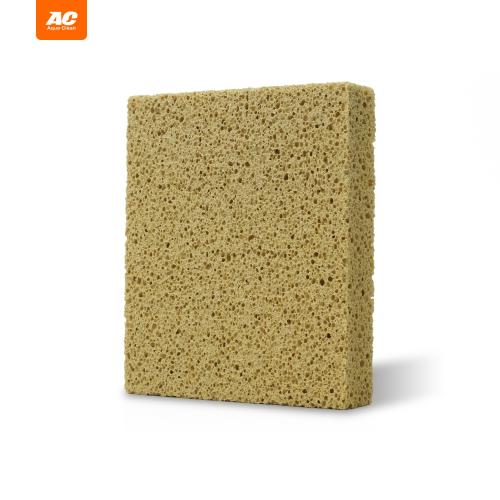
1. Mechanical Stage: Filter floss/sponge → intercepts large particles
2. Chemical Stage: AC Organic Remover → adsorbs dissolved organics, decolorizes and deodorizes
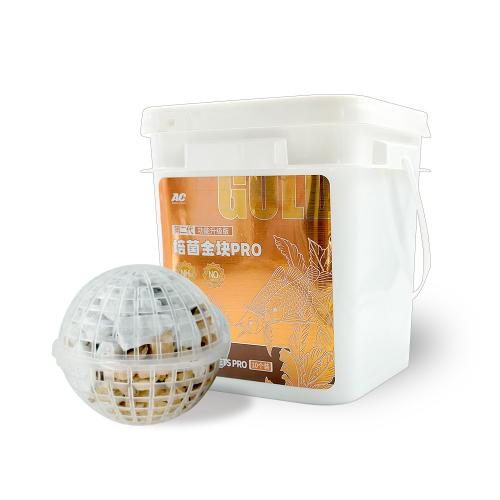
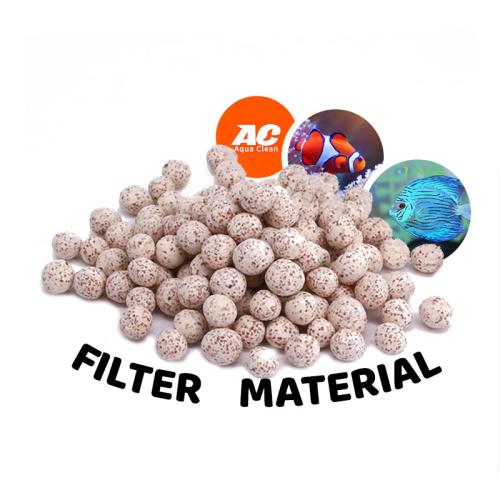
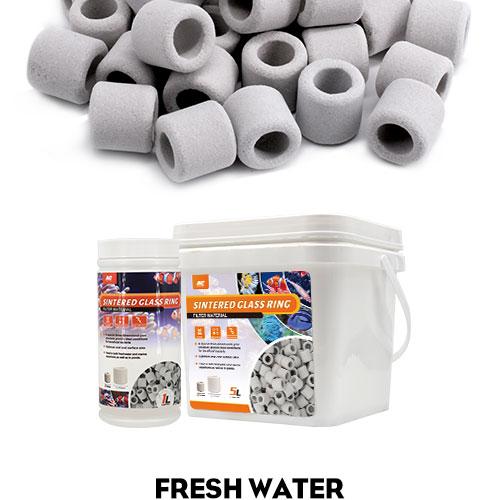
3. Biological Stage: AC bio-rings/bacteria house + AC Nitrate Remover → establishes nitrification, end-of-pipe NO₃⁻ control
This combination provides comprehensive water quality management from source to endpoint, extending maintenance intervals and enhancing the viewing experience.
Related News