How to Fix Yellow, Smelly Aquarium Water: AC Organic Remover Restores Crystal Clarity
Update time: 26-01-30 Views: 553
As aquarium enthusiasts, we all dream of crystal-clear, odorless water that showcases our fish and aquascaping in the best possible light. However, in reality, issues like yellow water, cloudiness, and unpleasant odors often plague our tanks, significantly impacting the viewing experience. Today, we'll dive deep into the causes of these water quality issues and introduce AC Organic Remover, a high-performance filtration media designed to solve these problems effortlessly.
Why Does Aquarium Water Turn Yellow and Smelly?
1. Tannins Released by Driftwood
Many aquascapers love using driftwood for natural aesthetics, but new driftwood often releases tannic acid (tannins), giving water a yellowish-brown "tea" appearance. While small amounts of tannins can benefit some fish species, excessive levels keep your tank looking murky and reduce light penetration for plants.
2. Medication Residues
Treatments for fish diseases (such as methylene blue or malachite green) often contain strong dyes. Without proper removal, these medications not only discolor water but may also cause long-term stress or harm to your aquatic inhabitants.
3. Organic Waste and Hydrogen Sulfide
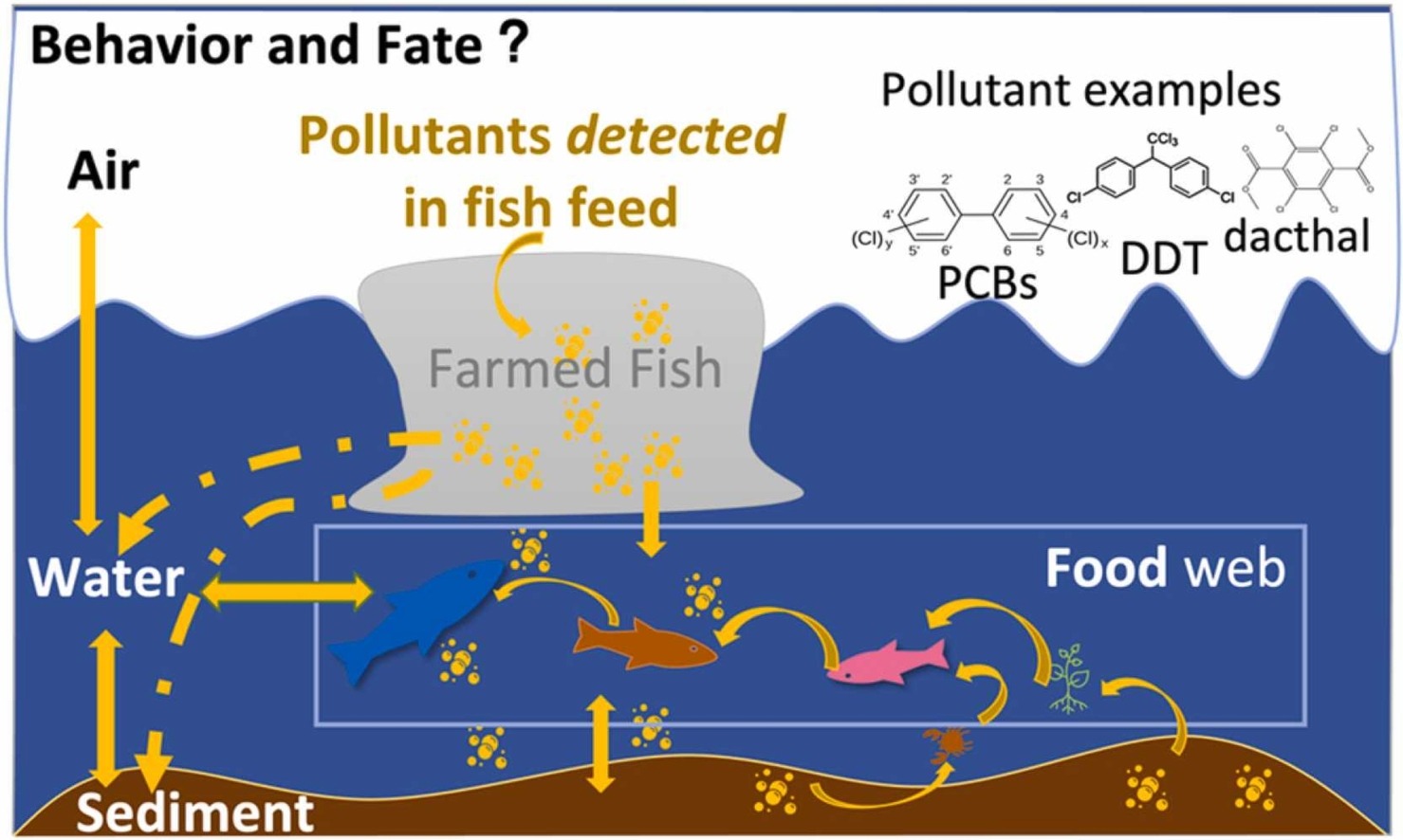
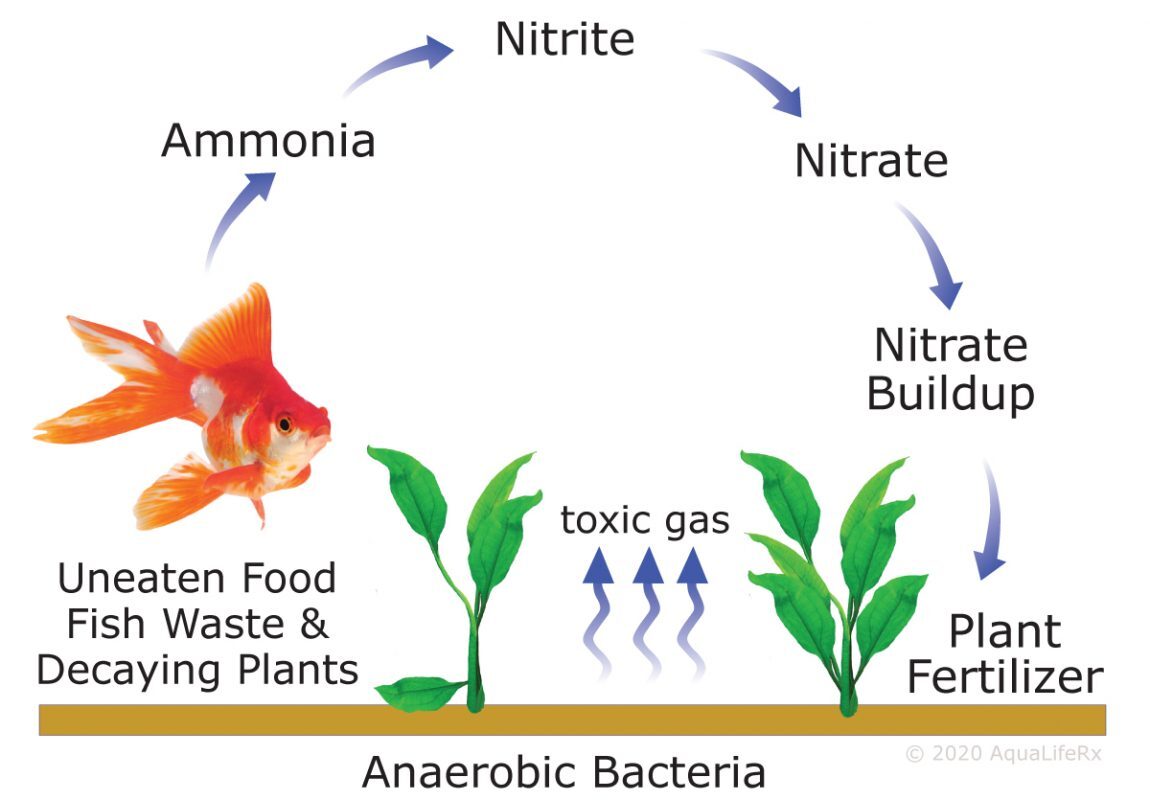
Uneaten food, fish waste, and decaying plant matter break down in the water, producing hydrogen sulfide and other harmful compounds. This results in that characteristic "fishy" or rotten egg smell, cloudiness, and potential health hazards for your fish.
4. Heavy Metal Contamination
Tap water often contains residual chlorine and heavy metals (copper, lead, etc.) that irritate fish mucous membranes and inhibit plant growth, posing invisible threats to your aquarium ecosystem.
Limitations of Traditional Water Clarification Methods
Many aquarists have tried frequent water changes or standard activated carbon, with disappointing results:
- Frequent Water Changes: Treat the symptom, not the cause; may cause stress from fluctuating water parameters
- Standard Activated Carbon: Limited adsorption capacity, particularly ineffective against tannins; requires frequent replacement
- Protein Skimmers: Expensive, primarily designed for marine tanks; limited effectiveness in freshwater systems
Is there a cost-effective, long-lasting, and easy-to-use solution? This is exactly where AC Organic Remover comes in.
AC Organic Remover: Advanced Polymer Adsorption Technology
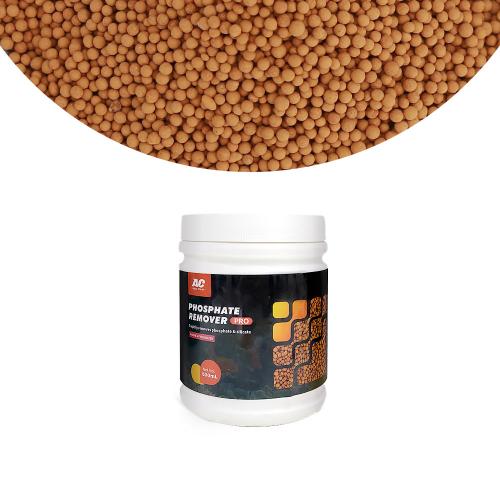
Developed by AC Aqua after years of research in filtration media, this high-performance organic remover utilizes premium polymer adsorption materials to tackle common freshwater aquarium water quality issues through both physical adsorption and chemical exchange mechanisms.
Key Benefits
1. Superior Adsorption for Rapid Yellow Water Removal
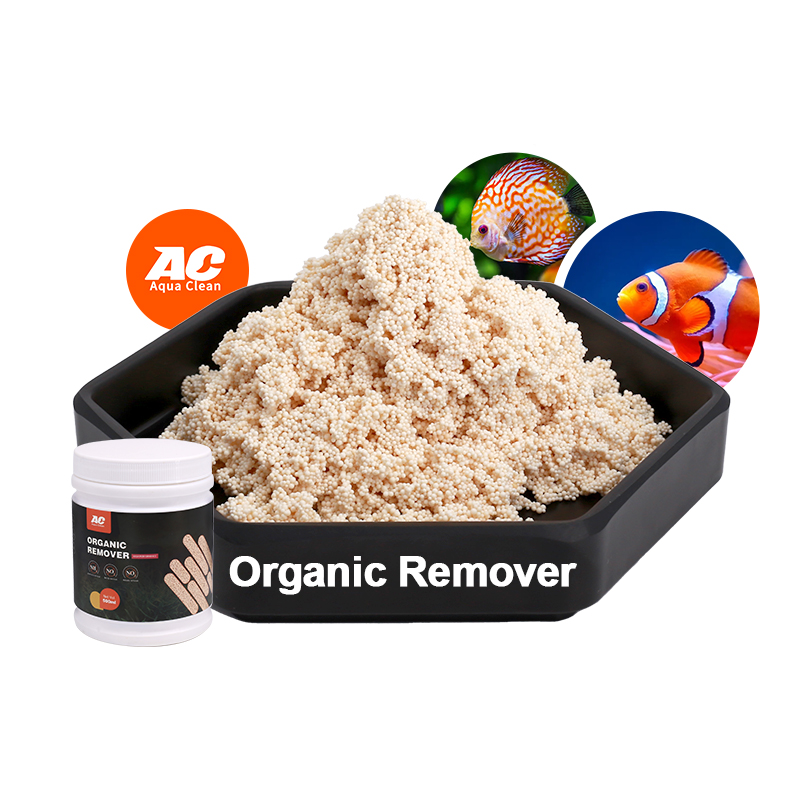
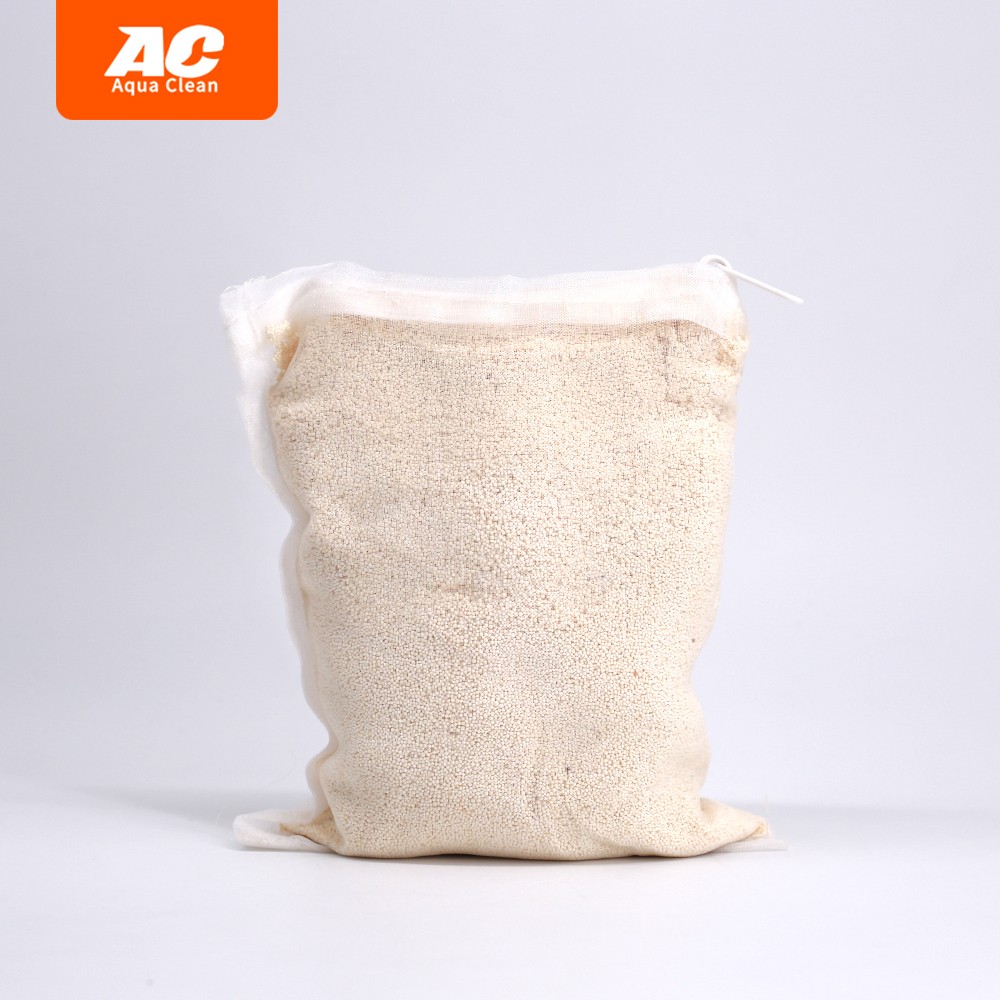
The high molecular structure provides an enormous surface area that precisely targets yellow water pigments (such as tannins from driftwood), residual medication dyes, and colloidal particles. You'll typically see noticeable improvements within 24-48 hours, restoring crystal-clear "air water" clarity to your aquarium.
2. Eliminates Unpleasant Odors
Targeting the characteristic fishy smells and sulfide compounds produced by decaying organic matter, the resin effectively decomposes and adsorbs odor molecules, keeping your water fresh and enhancing your viewing experience.
3. Removes Heavy Metals and Medication Residues
Beyond pigments and odors, the product demonstrates exceptional adsorption capacity for heavy metal ions and medication residues, providing a safer environment for your fish and reducing chemical pollution risks.
4. Bio-Safe Formula
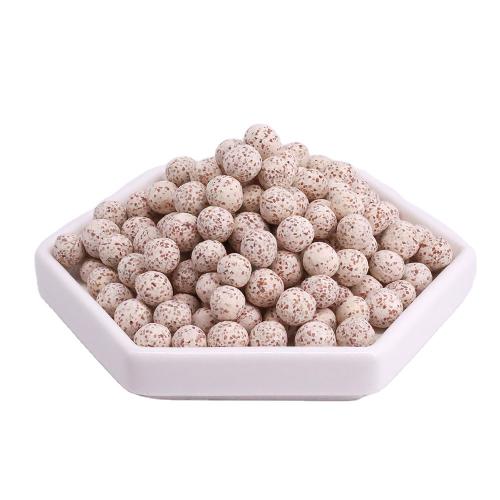
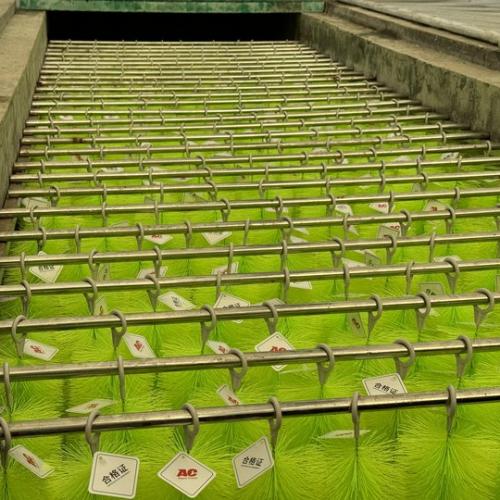
Specially processed to be non-toxic and harmless, AC Protein Cotton releases no harmful substances. It selectively adsorsoles dissolved contaminants without negatively affecting your nitrifying bacteria or harming fish and plants, making it safe for long-term use.
5. Regenerable and Eco-Friendly
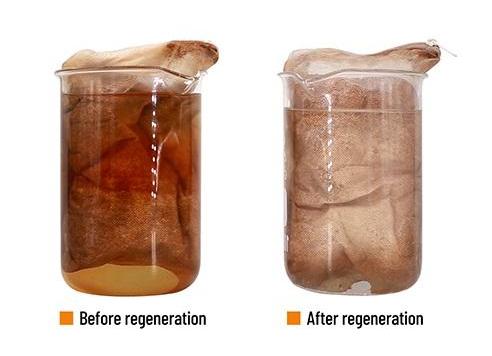
Unlike disposable filter media, AC Protein Cotton is reusable and regenerative. When adsorption capacity is saturated (indicated by severe discoloration or reduced effectiveness), simply soak it in high-concentration salt water (10-20% salinity, i.e., 100-200g salt per liter of water) for 24 hours to restore its adsorption performance. This reusability significantly reduces long-term maintenance costs.
Application Scenarios and Usage Recommendations
Compatible Filtration Systems
AC Organic Remover is versatile and suitable for:
- Hang-on-Back (HOB) Filters: Place below mechanical filter pads for optimal contact time
- Trickle/Drip Filters: Scatter in drip trays to enhance gas exchange while adsorbing impurities
- Canister Filters & Sump: Place in filter media bags positioned before biological media as a chemical + mechanical filtration layer
- Internal Filters: Can be used in mesh bags or cut to size for smaller tanks
Usage Tips
1. First Use: Rinse briefly with clean water to remove surface dust, then place in a mesh bag in your filter
2. Dosage Guide: The 500g container treats approximately 100-200 liters (26-52 gallons). Increase dosage for severely compromised water quality
3. Positioning: Place after mechanical filtration but before biological media to prevent clogging by large debris
4. Regeneration Schedule: Typically lasts 4-8 weeks depending on pollution levels. Regenerate when noticeable discoloration occurs or effectiveness decreases
5. Post-Regeneration: Rinse thoroughly with fresh water before returning to the aquarium to avoid salt contamination
Before & After Results
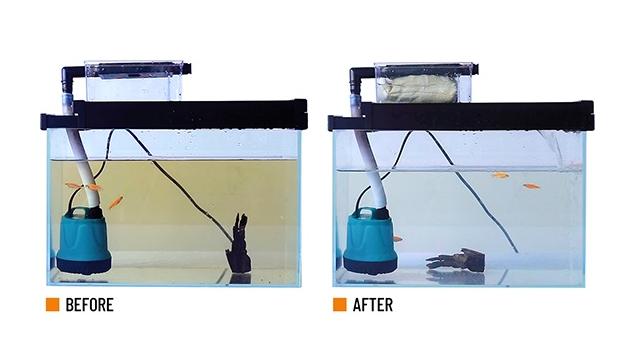
Before: Yellow, turbid water with heavy driftwood tannins, fishy odors, and poor visibility
After: Crystal-clear, colorless, odorless water with enhanced fish coloration and improved plant photosynthesis efficiency
Maintaining crystal-clear aquarium water isn't just about aesthetics—it's about ensuring the health of your aquatic ecosystem. With its high-efficiency adsorption, bio-safety, and regenerable design, AC Organic Remover has become an essential tool for aquarists battling yellow water and unpleasant odors. Whether you're a beginner or a seasoned aquascaper, this filtration media deserves a place in your system.
Related News