The Foundation of a Healthy Aquatic Ecosystem: AC Sintered Glass Ring — Get Your Nitrogen Cycle Running Faster
Update time: 26-06-01 Views: 289
For every aquarist, building a stable and efficient nitrification system is the first step toward keeping healthy fish, thriving aquatic plants, and vibrant corals. Whether you're running a freshwater tank, a marine aquarium, a planted aquascape, or a paludarium, the core water quality challenge always revolves around the breakdown and conversion of ammonia (NH₃/NH₄⁺) and nitrite (NO₂⁻). And the speed at which your nitrification system establishes itself depends heavily on the biological capacity of your filter media — this is precisely where the AC Sintered Glass Ring delivers its core value.
The Nitrogen Cycle: Your Aquarium's "Invisible Lifeline"
In natural bodies of water, nitrifying bacteria are widely distributed across substrates, rocks, and plant root surfaces. They silently carry the critical task of converting toxic ammonia into relatively safe nitrate (NO₃⁻). But in a closed aquarium environment, this ecological process must be engineered by us. The "fish deaths," "cloudy water," and "algae outbreaks" that plague beginners often trace back to one root cause: a nitrification system that hasn't fully established itself or has collapsed.
Nitrifying bacteria are aerobic autotrophs. They need ample oxygen, stable water flow, and massive surface area to colonize and multiply efficiently. Therefore, choosing a filter media with high porosity, stable structure, and chemically neutral properties directly determines the success or failure of your nitrogen cycle.
AC Sintered Glass Ring: The "Ideal Home" Engineered for Nitrifying Bacteria
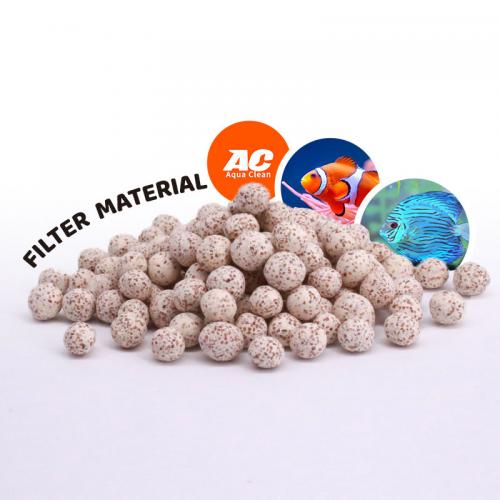
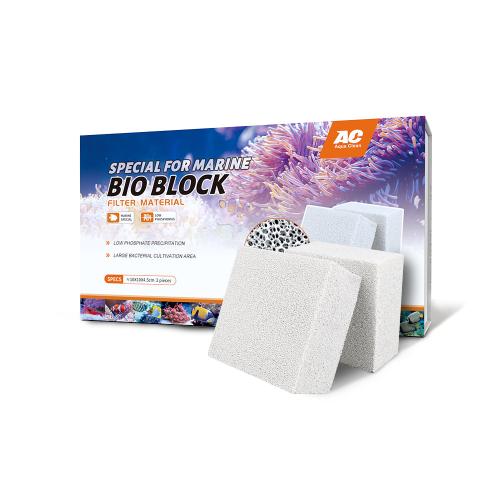
As a classic in the AC aquarium filter media lineup, the Sintered Glass Ring is crafted from premium bacterial culture materials fired at high temperatures, forming a unique three-dimensional mesoporous structure. This architecture delivers four key advantages:
1. Classic Ring Design for Smoother Water Flow
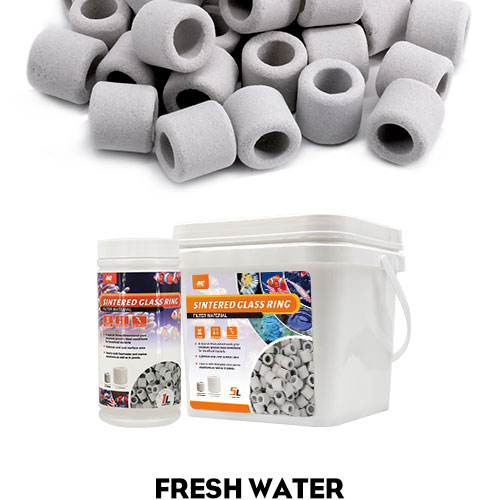
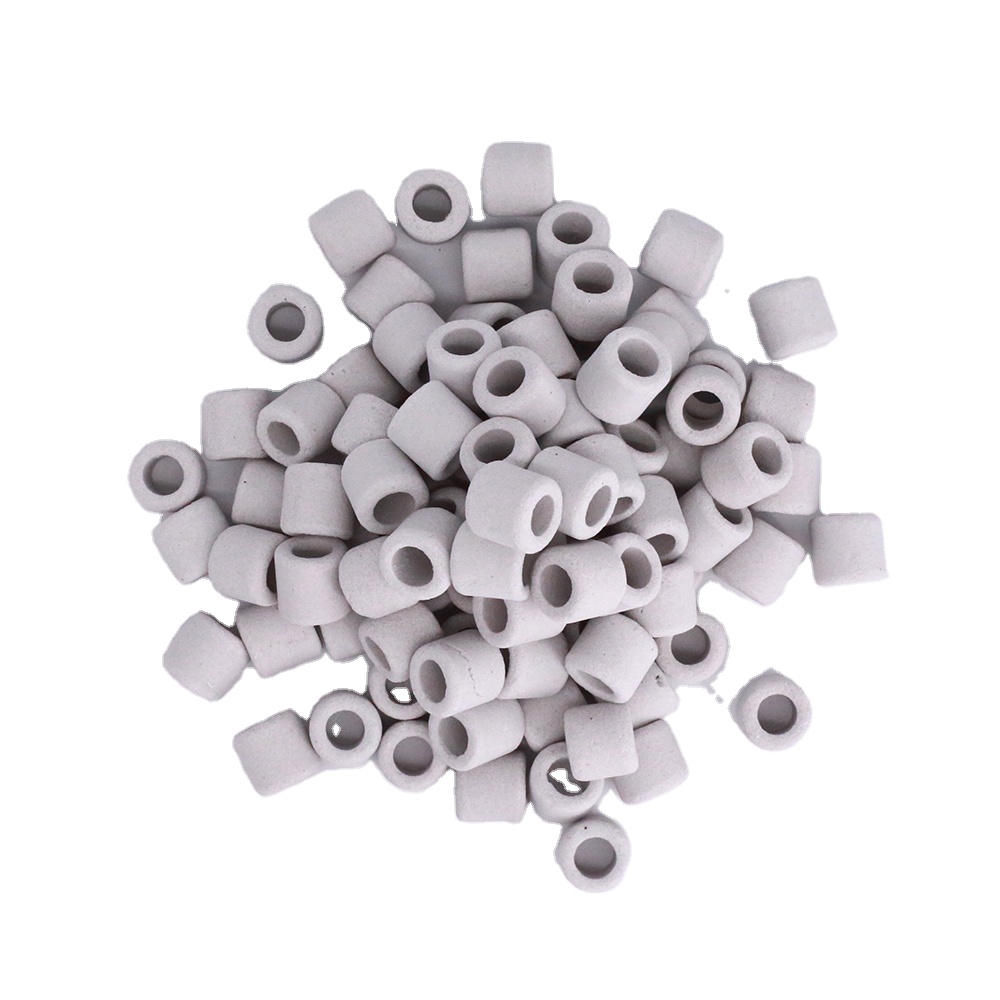
The Sintered Glass Ring retains the classic hollow-ring design, with an outer diameter of approximately 15mm and a height of about 20mm. The central bore allows water to pass through quickly, effectively reducing water pressure and minimizing clogging risks, while preventing fish waste and uneaten food from accumulating on the media surface. This design is exceptionally versatile — ideal for sump filters, trickle filters, hang-on-back filters, and canister filters, maximizing space utilization in any filtration setup.
2. High Porosity for Powerful Bacterial Cultivation
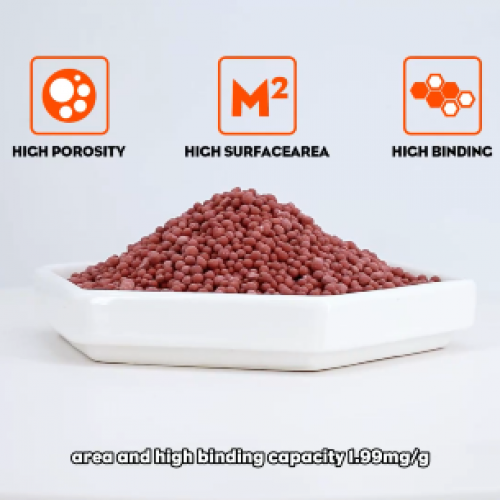
Through a high-temperature sintering process, the Sintered Glass Ring develops a rich internal mesoporous network with a surface area far exceeding that of ordinary ceramic or glass rings. These micropores provide abundant colonization sites for Nitrosomonas (responsible for converting ammonia to nitrite) and Nitrobacter (responsible for converting nitrite to nitrate). Field observations show that filter chambers equipped with Sintered Glass Rings establish their nitrification systems noticeably faster, rapidly reducing ammonia levels in the aquarium and suppressing algae growth at the source — ultimately minimizing fish stress and mortality.
3. Stable Structure for Long Service Life
Many low-cost filter media on the market tend to crumble and shed debris after prolonged use, not only clogging pumps and filter pads but also potentially releasing unknown substances into the water. The AC Sintered Glass Ring is fired from natural minerals at high temperatures, resulting in a dense, stable structure that resists crumbling and degradation from continuous water flow. Its porous architecture provides a lasting surface area for nitrifying bacteria, making it a highly efficient and durable long-term biological filter media.
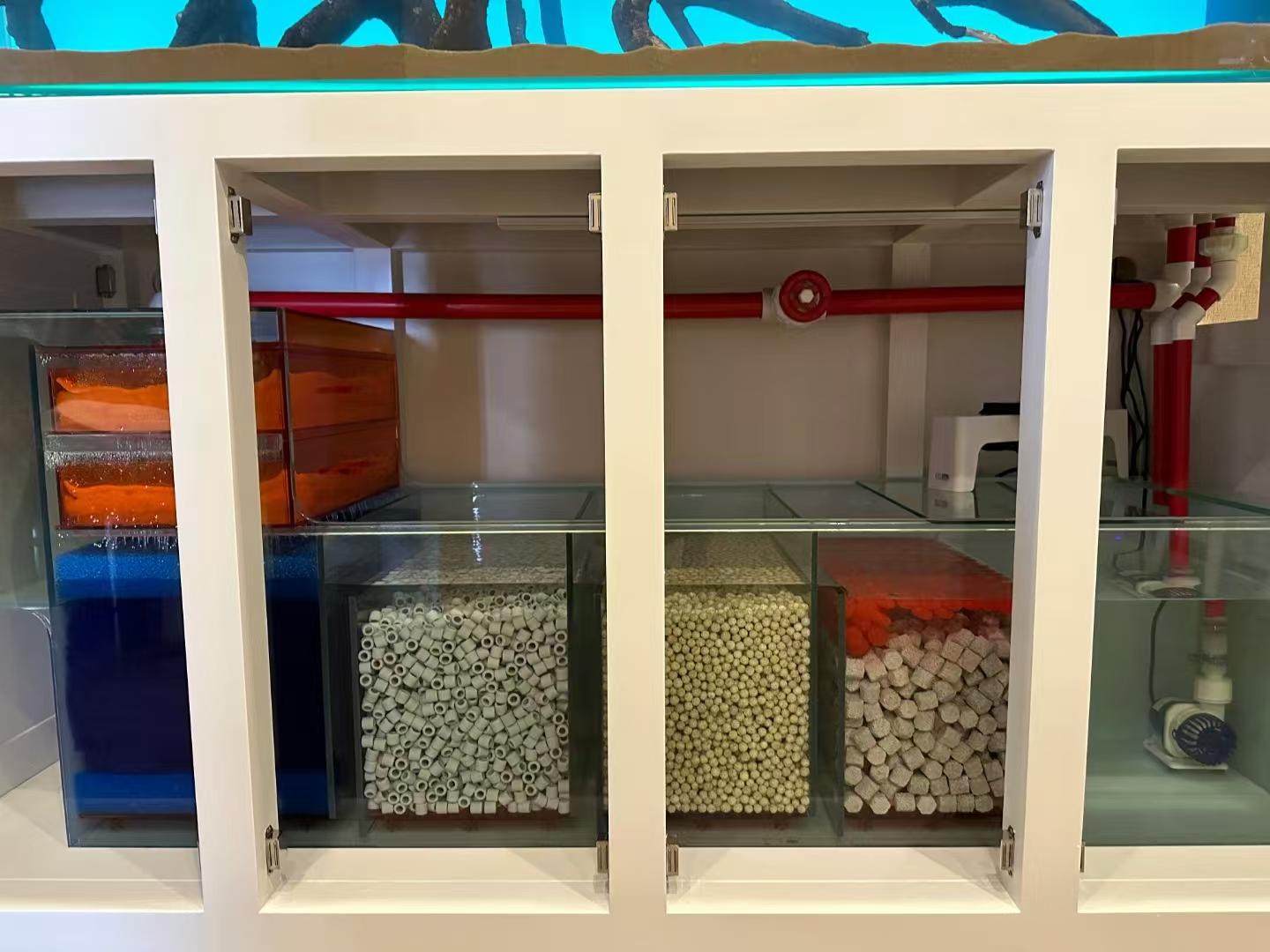
4. Neutral Mineral Media, Safe for All Aquatic Life
For aquarists keeping sensitive species — such as discus, crystal shrimp, or marine corals — the critical question is whether the filter media will alter pH and GH (general hardness) values. The AC Sintered Glass Ring is made from neutral mineral raw materials and will not cause water chemistry fluctuations. It maintains stable pH and GH, making it truly safe for all fish and invertebrates, suitable for both freshwater and marine applications.
Recommended Applications
The AC Sintered Glass Ring is available in 1L/tin and 5L/tin packaging to meet the filter media needs of aquariums of all sizes:
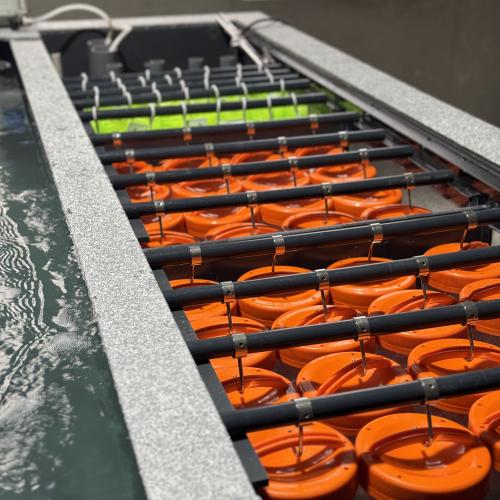
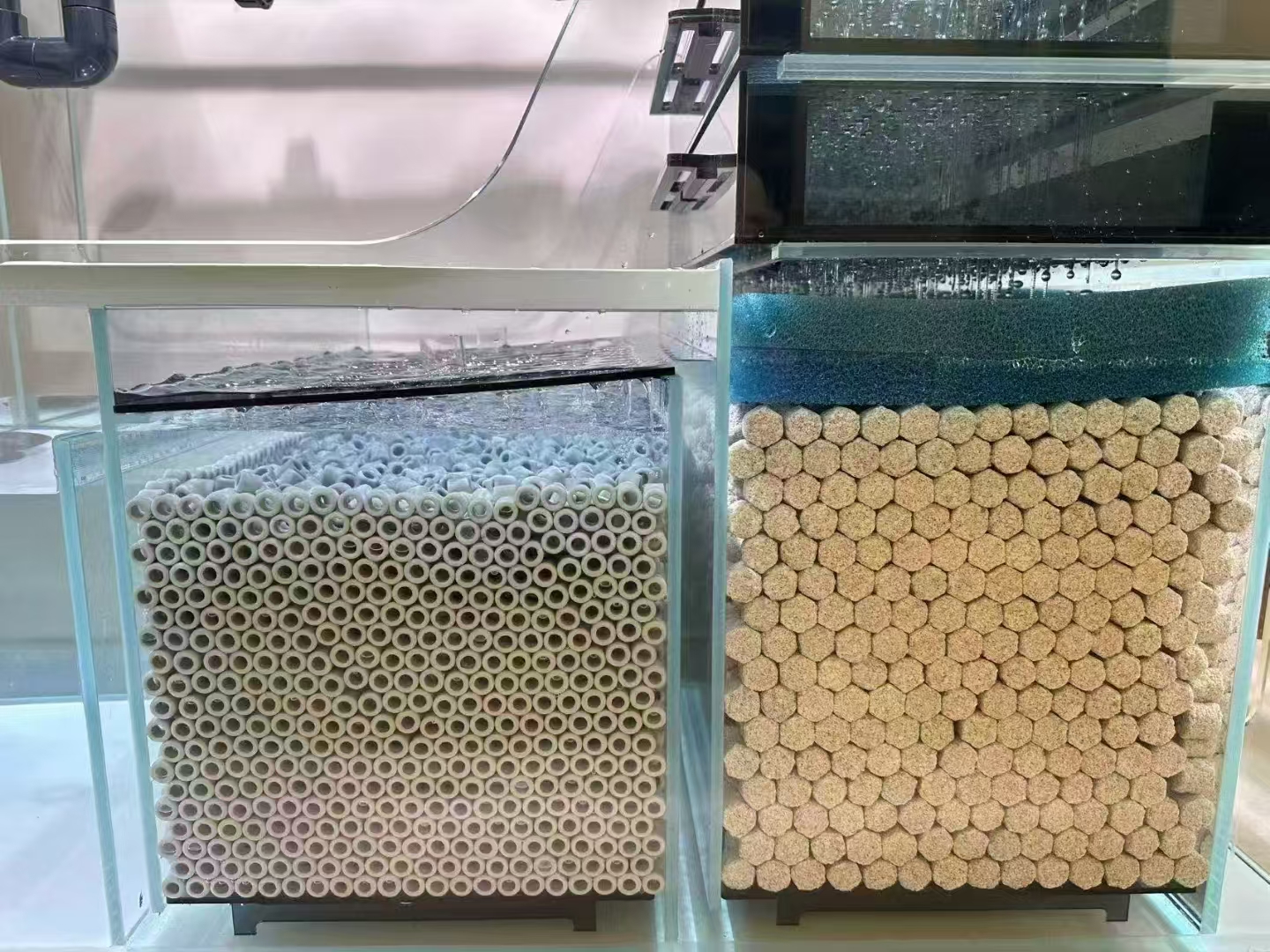
- Sump Filters: Use as the primary biological media, laying 2–3 layers across the filter chamber floor
- Trickle Filters: Leverage its high porosity in drip trays for simultaneous oxygenation and bacterial cultivation
- Hang-on-Back / Back Filters: Compact size ideal for space-limited nano tanks and small aquariums
- Canister Filters: Pair with mechanical filter pads to enhance biological filtration efficiency
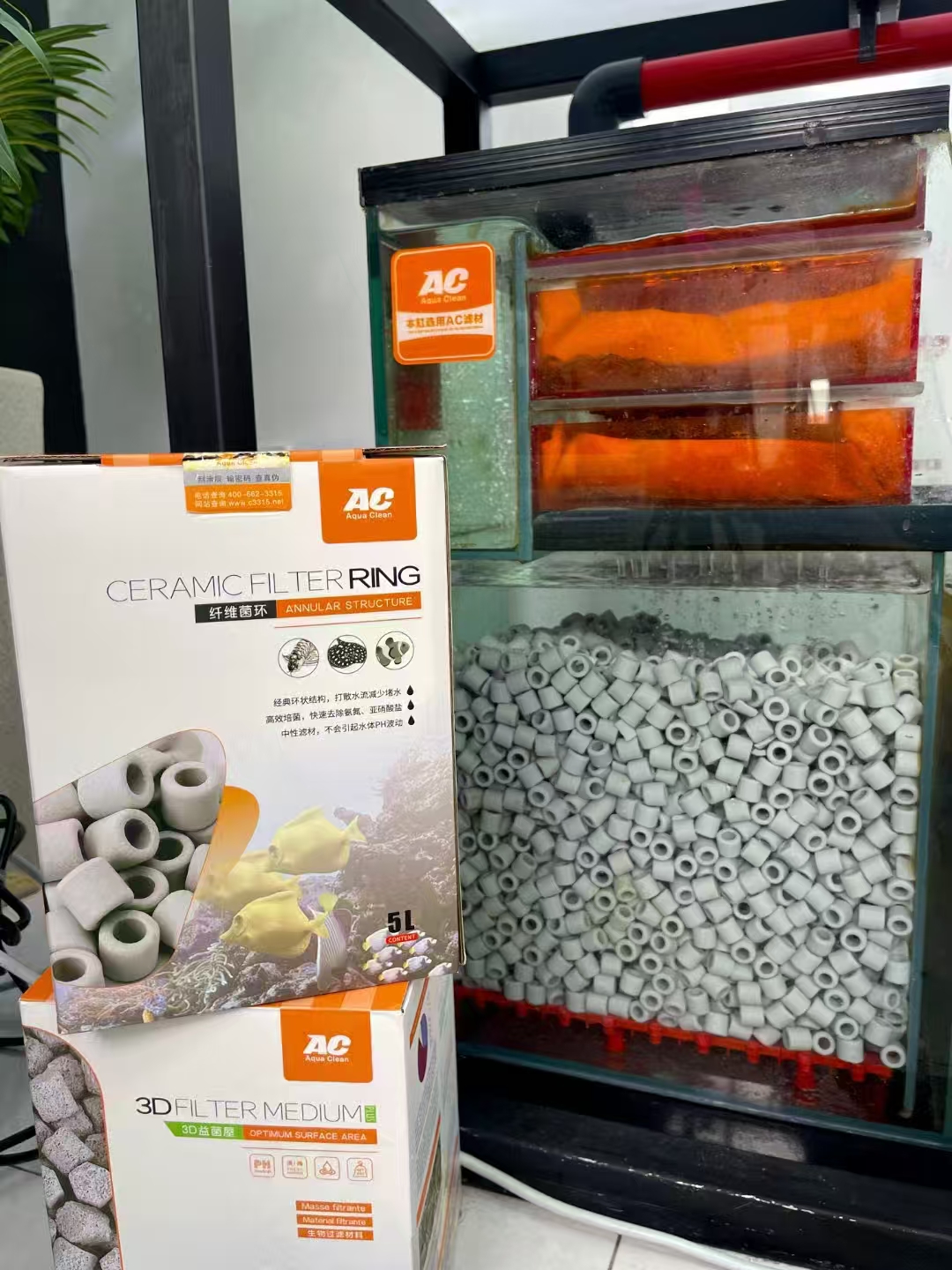
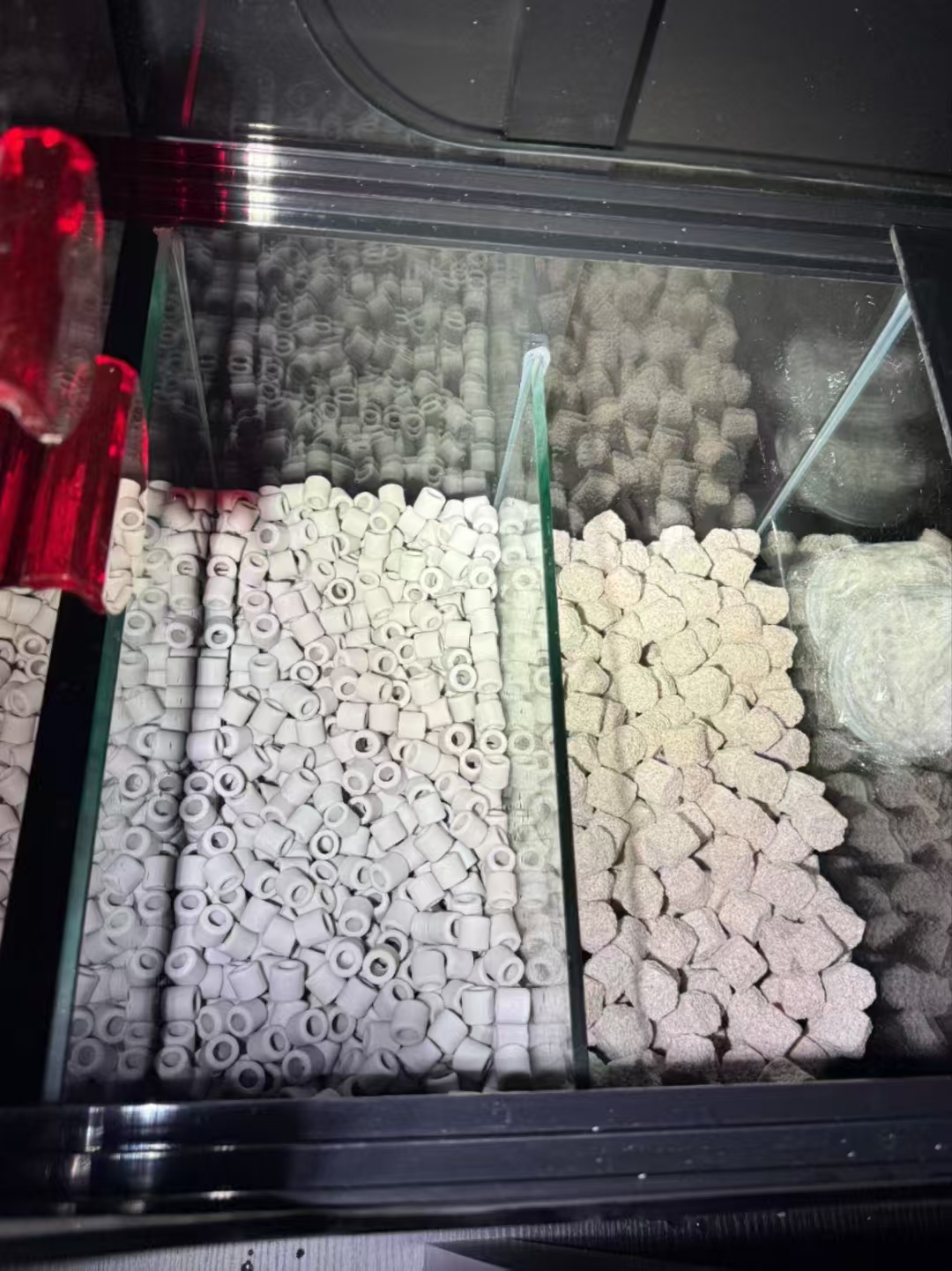
Pro Tip: Before first use, simply rinse the new media with clean water to remove surface dust. No special "seeding" is required — it can go straight into your filter. For an even more robust multi-stage filtration system, combine it with other AC media such as Bio Ceramic Rings or Bio Balls.
At its core, aquarium keeping is about simulating and sustaining a miniature ecological balance. And the nitrification system is the very foundation of that balance. Choosing a filter media that truly understands nitrifying bacteria can make your aquarist journey significantly smoother. The AC Sintered Glass Ring combines a classic ring design with modern sintering technology, using every pore to safeguard water clarity and stability — getting your nitrogen cycle running faster, and keeping your aquatic ecosystem thriving for the long haul.