Aquarium Nitrate Crisis: How to Scientifically Reduce Nitrates and Protect Your Fish's Healthy Home
Update time: 26-06-17 Views: 247
I. Nitrate – The "Invisible Killer" in Your Aquarium
For every aquarium enthusiast, crystal-clear water and vibrant fish are the most rewarding sights. However, beneath the seemingly peaceful surface of your tank, an "invisible killer" is quietly accumulating—nitrate (NO₃⁻).
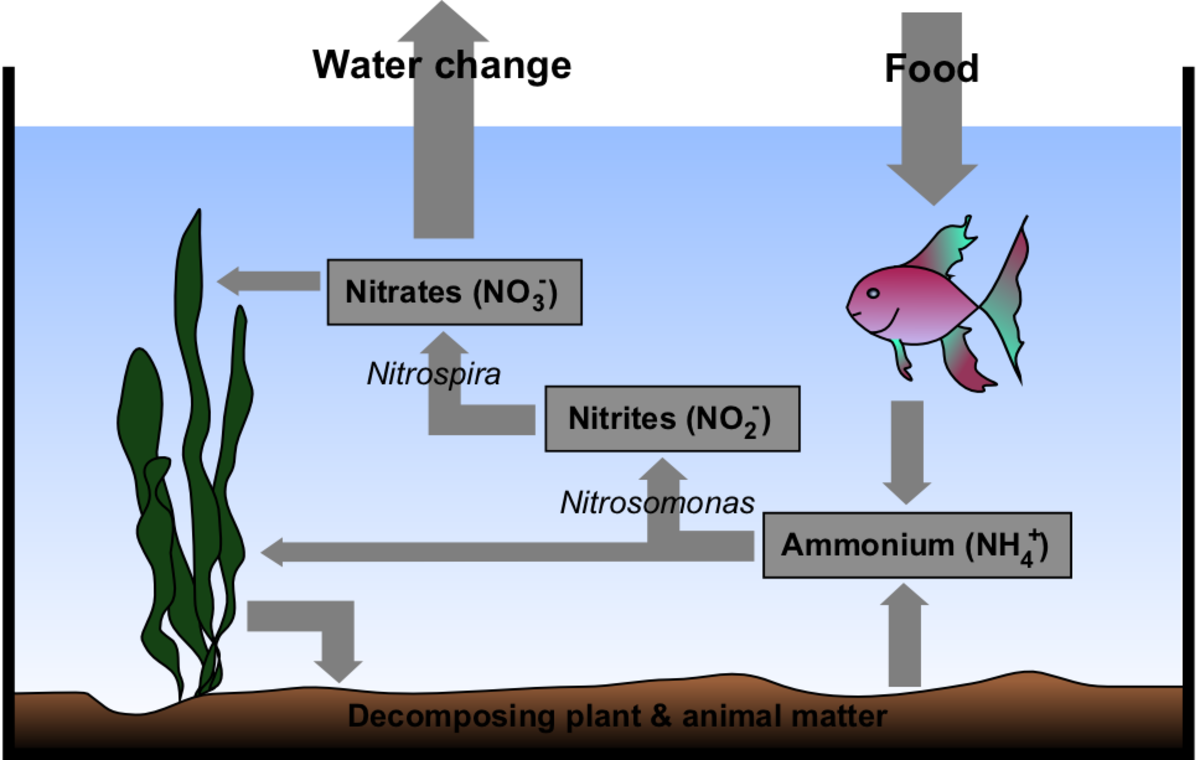
Nitrate is the final product of the nitrogen cycle in aquariums. When fish waste, uneaten food, decaying plant leaves, and other organic matter decompose, they first produce toxic ammonia (NH₃), which is converted by nitrifying bacteria into nitrite (NO₂⁻), and finally into nitrate with relatively lower toxicity. Although nitrate itself is far less toxic than ammonia and nitrite, long-term high concentration accumulation can lead to a series of serious problems:
- Algae outbreaks: High nitrate levels are a "nutrient feast" for algae, causing green water, brown algae, and green algae to run rampant, severely impacting the aesthetic appeal of your aquarium
- Compromised fish health: Fish living in high-nitrate environments for extended periods experience weakened immune systems, increased susceptibility to diseases, and reduced breeding capacity
- Water quality deterioration: Excessive nitrate levels often indicate that the entire ecosystem is on the brink of imbalance
Generally, nitrate levels in freshwater aquariums should be kept below 20-40mg/L, while marine tanks require even stricter control. However, for high-density stocking or aquascaping enthusiasts, relying solely on water changes is often insufficient to maintain nitrate at ideal levels.
II. Limitations of Traditional Nitrate Reduction Methods
When excessive nitrate levels, aquarium hobbyists have tried various methods:
Method
Advantages
Disadvantages
Massive water changes
Direct and effective
Time-consuming and labor-intensive, impractical for large tanks, and may cause water parameter fluctuations
Planting aquatic plants
Eco-friendly
Slow results, requires specific lighting and CO₂ conditions, cannot handle high nitrate levels
Controlling feeding
Reduces at the source
Requires long-term commitment, cannot address already accumulated nitrates
Using nitrifying bacteria
Assists nitrogen cycle
Primarily processes ammonia and nitrite, limited effect on nitrate
So, is there an efficient, convenient, and reusable solution?
III. AC AquaClean Nitrate Remover – Ion Exchange Technology for Precision Nitrate Control
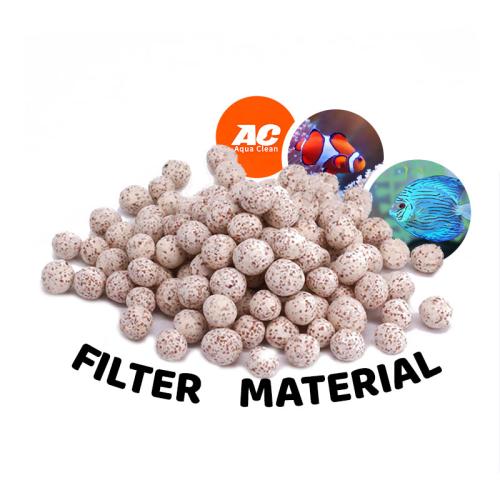
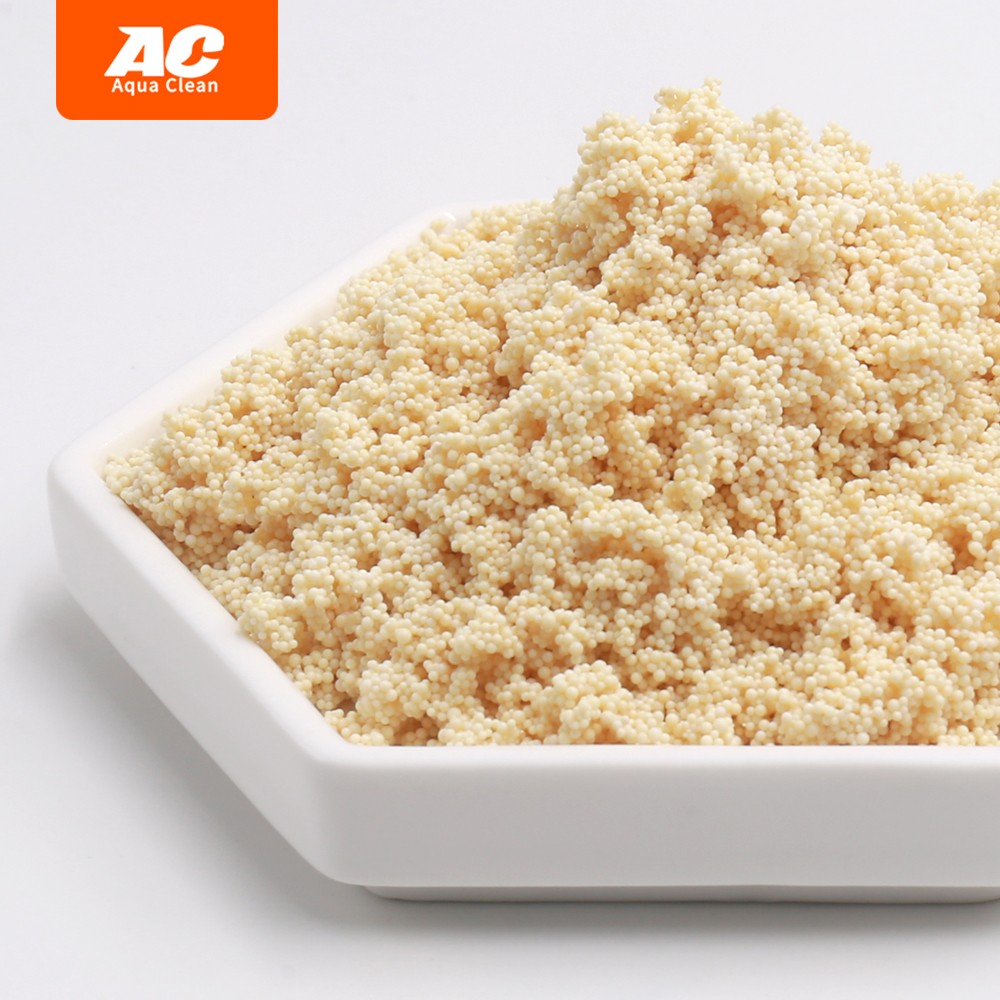
As a brand dedicated to aquarium filter media research and development, AC AquaClean's Nitrate Remover utilizes advanced ion exchange principles to provide aquarium enthusiasts with a professional-grade nitrate control solution.
Core Advantages
1. Fast and Efficient Nitrate Reduction
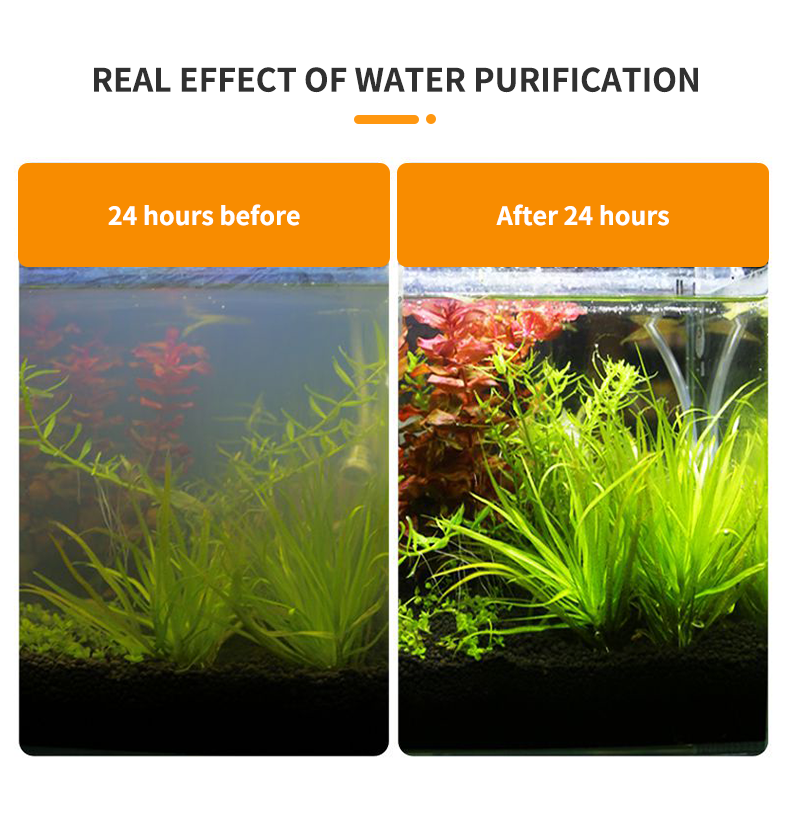
According to laboratory test data, AC Nitrate Remover can reduce nitrate concentration in water from approximately 80mg/L to around 10mg/L within 6 hours, with a smooth and controllable reduction curve delivering immediate visible results.
2. Prevents Algae Growth
By effectively lowering nitrate levels in the water, it cuts off the "nutrient supply" for algae at the source, preventing and eliminating harmful algae growth, restoring crystal clarity to your aquarium.
3. Economical and Eco-Friendly, Multiple Regenerations
Unlike disposable filter media, AC Nitrate Remover can be regenerated and restored to active status after its exchange capacity is exhausted by simply soaking it in a salt solution (100g iodine-free salt + 1L water) for 1-2 days, significantly reducing long-term usage costs. During regeneration, frequently move the media back and forth, and rinse thoroughly with cold water—avoid using hot water.
4. Safe and Reliable, No Reverse Release
When the media reaches adsorption saturation, the captured nitrates will not be released back into the water, ensuring complete water safety.
Directions for Use
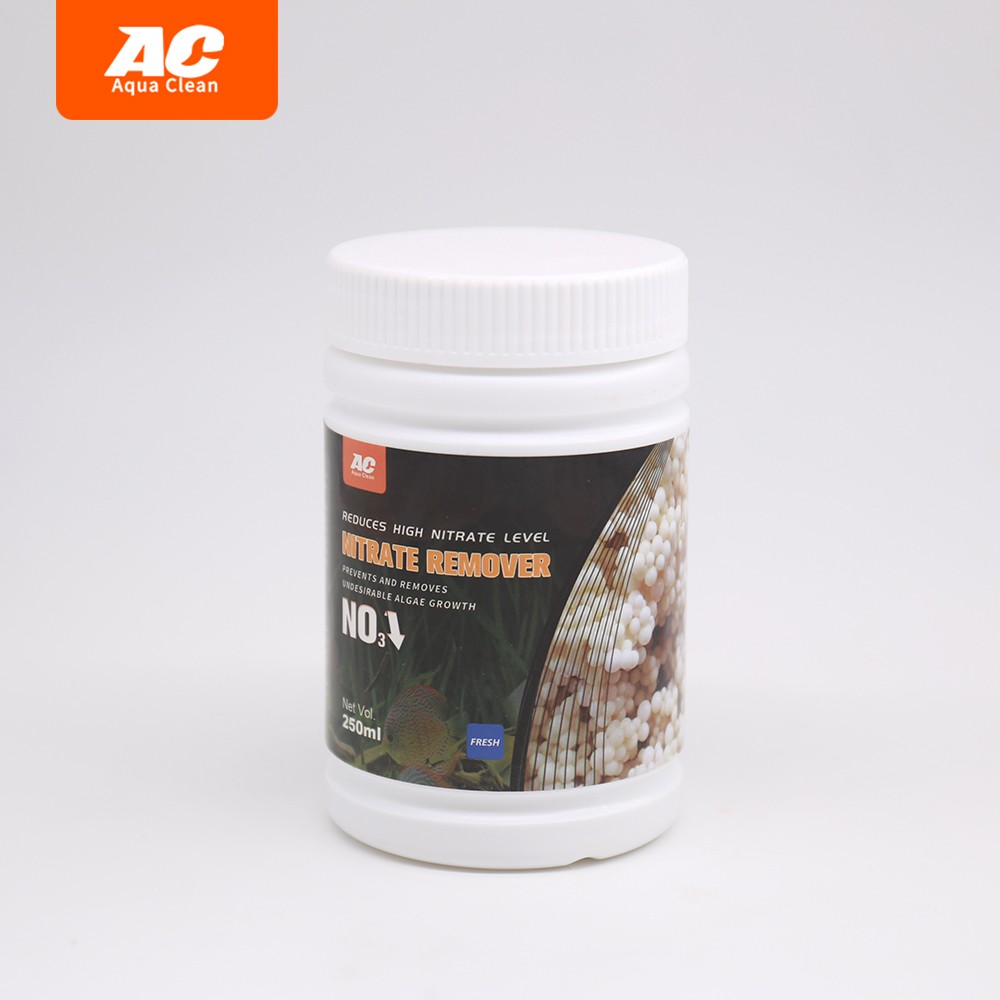
Place the filter material into a universal media bag and position it in your filter. The 250ml size is recommended for aquariums up to 200 liters, making it suitable for most home aquariums.
> Friendly Reminder: It is recommended to maintain nitrate levels above 10mg/L to avoid the risk of toxic hydrogen sulfide formation.
IV. Applicable Scenarios
AC AquaClean Nitrate Remover is suitable for various aquarium environments:
- High-density stocking tanks: Dense fish populations with high waste production and rapid nitrate accumulation
- Aquascaping/planted tanks: High demands for water clarity with strict algae control requirements
- Breeding tanks: Providing a low-nitrate safe environment for fry and breeding fish
- Marine coral tanks: Corals are extremely sensitive to nitrates and require precise control
- New tank cycling period: Helps rapidly establish stable water parameters and shorten the cycling process
V. AC AquaClean – Professional Aquarium Filter Media Brand
AC AquaClean has long been committed to providing high-quality filtration solutions for aquarium enthusiasts worldwide. From Nitrate Remover to Organic Remover, every product undergoes rigorous laboratory testing and real-world aquarium environment validation to ensure efficiency, safety, and ease of use.