The “Invisible Killers” in a Reef Tank: Nitrate and Phosphate
Update time: 26-10-14 Views: 6
Every reef keeper knows the real challenge is often not the equipment—it is those two water parameters that keep creeping upward: nitrate (NO₃⁻) and phosphate (PO₄³⁻). They come from uneaten food, fish waste, and biological metabolism. Once they accumulate, the consequences can range from brown algae, green hair algae, and cyanobacteria to dinoflagellate outbreaks. In sensitive systems, SPS corals may lose color, LPS corals may stay closed, and fish may look less vigorous.
Water changes, phosphate-removal media, and carbon dosing all have their place—but many are temporary fixes or can destabilize a tank if dosed too aggressively.
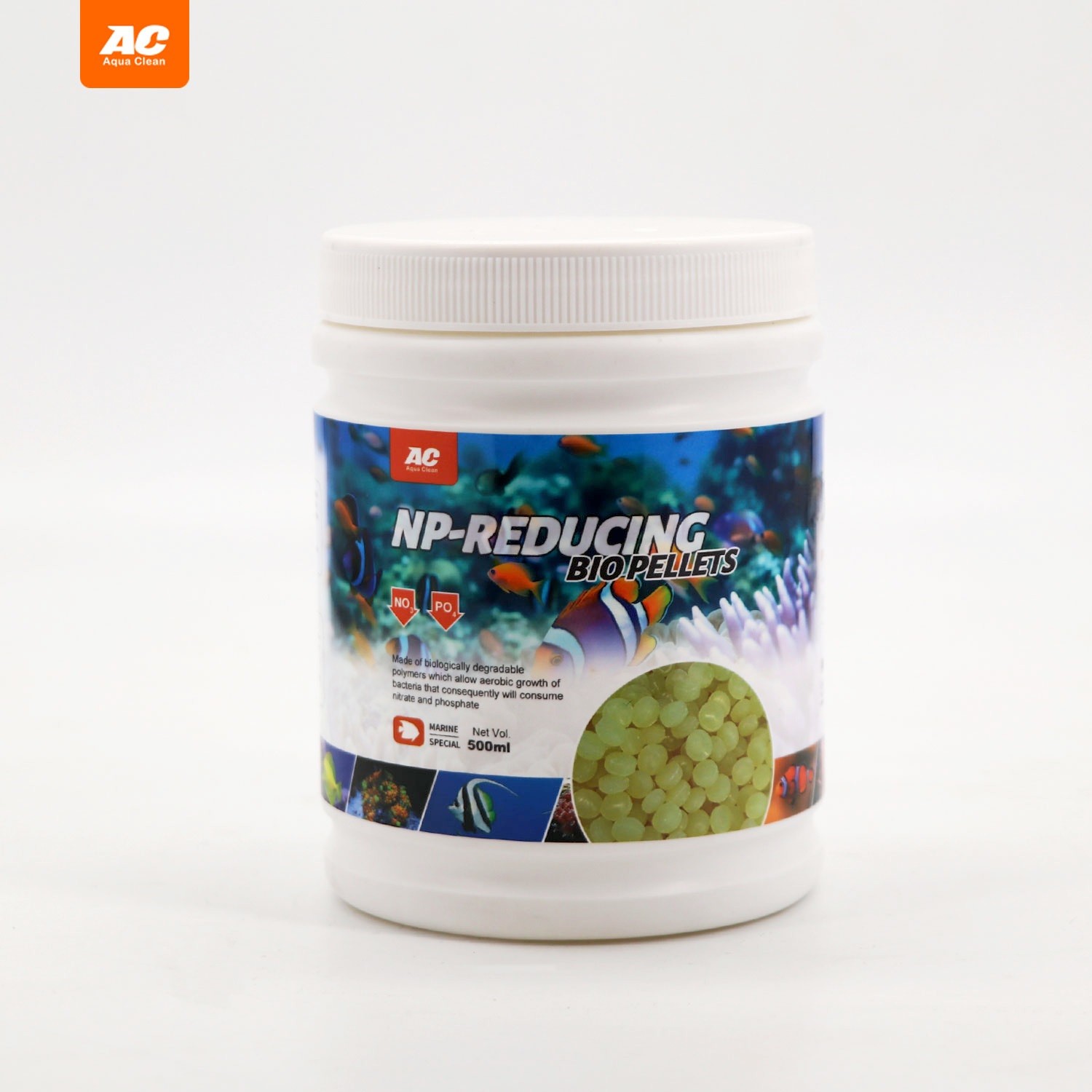
A more elegant approach is to let the aquarium’s own microbes do the work. That is the idea behind AC NP-Reducing Bio Pellets (NP Reducing BioPellets).
NP-Reducing Bio Pellets Are Not a Sponge—They Are a Bacterial Factory
Many hobbyists assume NP pellets work like activated carbon. In fact, the pellets do not directly adsorb nutrients. They are a carefully designed biodegradable material. The real workers are the heterotrophic bacteria that colonize the pellet surface and pores.
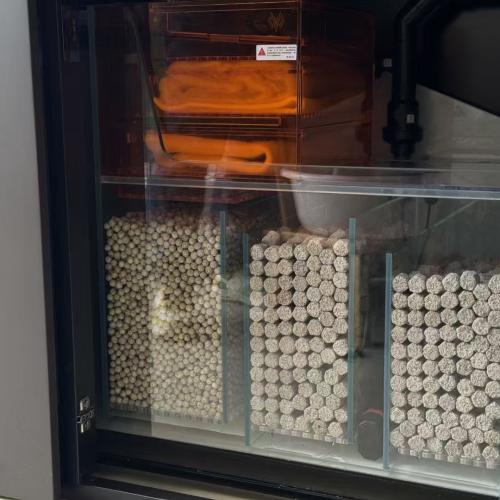
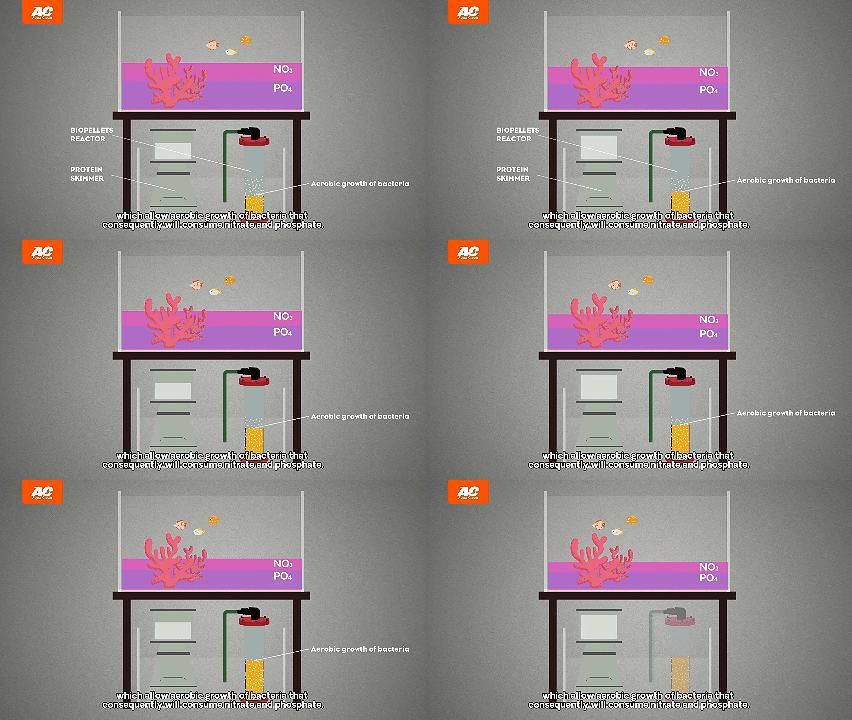
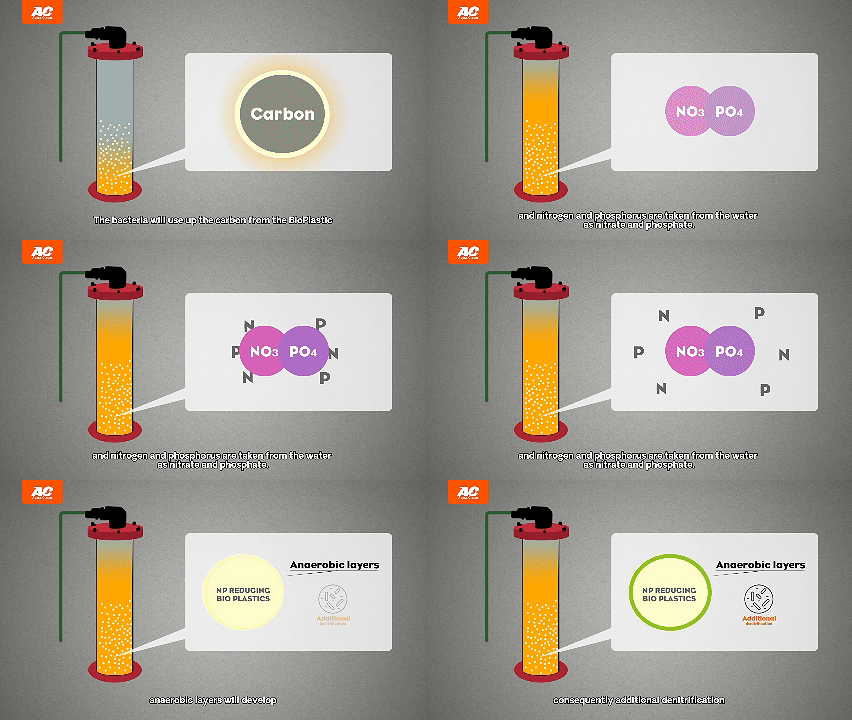
When the pellets are placed in a well-flow NP pellet reactor, the process begins naturally: the pellets provide an ideal attachment surface for aerobic heterotrophs and slowly release a carbon source. To grow and reproduce, these bacteria require carbon (C), nitrogen (N), and phosphorus (P)—the carbon comes from the NP pellets, while nitrogen and phosphorus are taken directly from the aquarium water as nitrate and phosphate.
As the biofilm thickens, micro-anaerobic zones gradually form inside the pellet bed, further supporting denitrification, where nitrate is reduced and ultimately released as nitrogen gas. Meanwhile, the bacteria-rich flocs are captured and exported by the protein skimmer, removing nitrate and phosphate from the system rather than simply relocating them.
In short: AC NP-Reducing Bio Pellets house and feed beneficial bacteria that consume NO₃/PO₄—and your skimmer removes the “leftovers.”
Why Add a Bottle of NP Pellets to Your Reef System?
- Reduce nutrients at the source for easier algae control
Stable, moderately low nitrate and phosphate help suppress nuisance algae and dinoflagellates, keeping the display cleaner and improving coral coloration.
- Build long-term stability instead of spikes and crashes
Unlike one-off chemical treatments, biopellets rely on microbial balance. Water parameters tend to change more gradually, which is safer for corals.
- Ease the load from water changes and media replacement
For larger tanks and heavier feeding, NP pellets can handle a meaningful share of nutrient export. Start conservatively and adjust based on measured NO₃/PO₄ and the product instructions—more is not always better.
- A natural fit for the Berlin method
Live rock, a strong protein skimmer, and an NP pellet reactor form a classic low-nutrient reef-keeping setup.
- 500 mL marine-special format
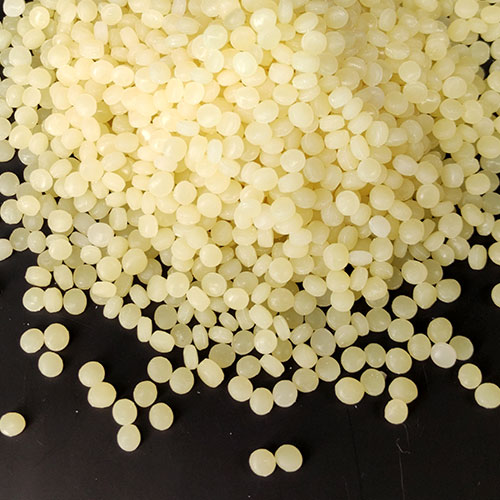
AC NP-Reducing Bio Pellets are sized for common pellet reactors, with round pellets that tumble well and are ready to use.
Use Them Correctly for Steady Results
Biopellets are effective, but they reward patience:
1. Run a protein skimmer
The skimmer is the “garbage truck.” Bacterial biomass must be exported for nutrients to be truly removed.
2. Provide strong flow and gentle tumbling
The reactor should keep pellets moving lightly to prevent clumping, channeling, and excessive biofilm buildup.
3. Start low and ramp slowly
Begin near the lower end of the recommended range and test nitrate/phosphate weekly. A sudden drop can stress corals—especially LPS and some soft corals.
4. Do not chase “zero” nutrients
A reef tank is healthiest with low, stable nitrate and phosphate rather than undetectable levels. Ultra-low nutrient systems require careful management.
5. Watch oxygen and biofilm
Heavy bacterial growth consumes oxygen. Ensure good gas exchange and water movement. A little biofilm during the break-in period is normal—stay consistent and monitor parameters.
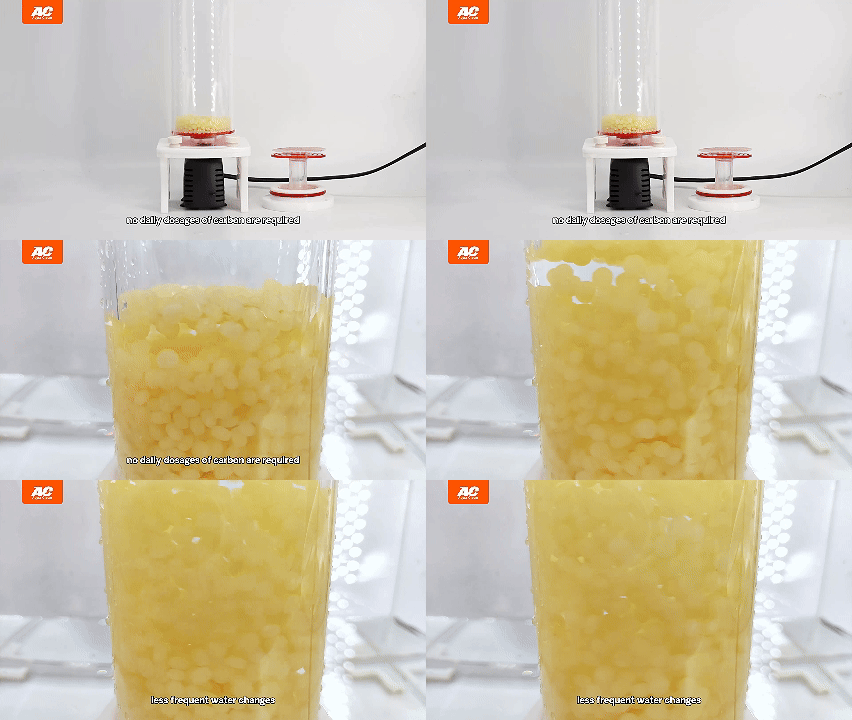
Great reef water is not about adding more and more media. It is about letting the ecosystem do its job. AC NP-Reducing Bio Pellets put nitrate and phosphate control back into the hands—and metabolisms—of billions of beneficial microbes. Less algae, steadier water, and fewer headaches: that is a practical gift for every reef tank.
Related News