The Heart of Your Aquarium's Nitrogen Cycle: Why Filter Media Makes or Breaks Your Tank
Update time: 26-05-14 Views: 389
For every aquarist, establishing a stable and healthy nitrification system is the first step toward fishkeeping success. Whether you're curating a meticulously planted freshwater aquascape or a vibrant saltwater reef tank, water quality stability remains the foundation for the health and survival of your aquatic inhabitants. And at the center of the entire filtration system lies the filter media — the "home" for your beneficial bacteria — whose importance is often underestimated by beginners.
The science behind biological filtration is straightforward: ammonia (NH₄⁺), produced by fish waste and decomposing organic matter, is highly toxic to aquatic life. Nitrosomonas bacteria convert ammonia into nitrite (NO₂⁻), and Nitrobacter bacteria further convert nitrite into relatively harmless nitrate (NO₃⁻). While this biochemical process seems simple, it relies on an ideal substrate capable of supporting billions of beneficial bacteria.
Specific Surface Area: The Critical Metric for Filter Media Performance
When selecting filter media, specific surface area is one of the most crucial parameters. It determines how many nitrifying bacteria can colonize per unit volume. Traditional media such as ceramic rings and bio-balls offer some porosity, but under high bioload conditions, they often fall short — either their pores become clogged with biofilm, restricting water flow, or they simply lack sufficient surface area to process heavy ammonia input.
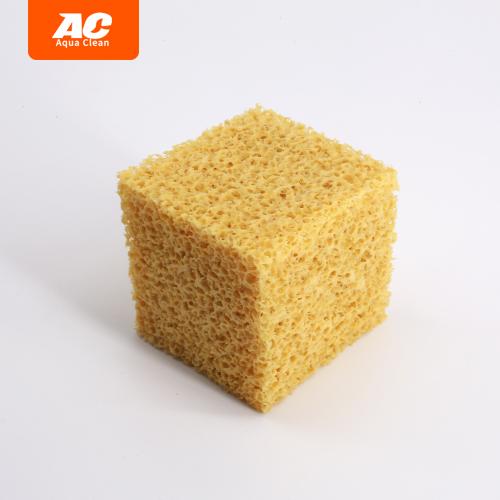
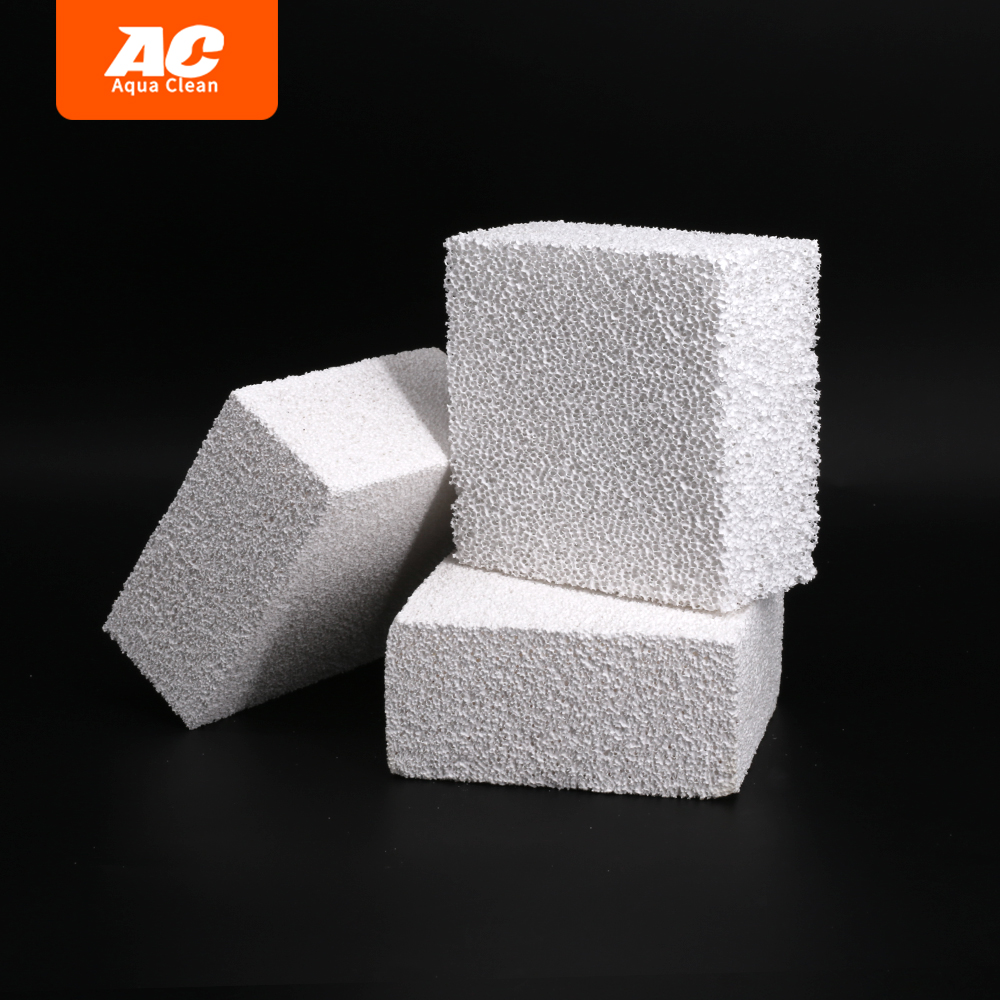
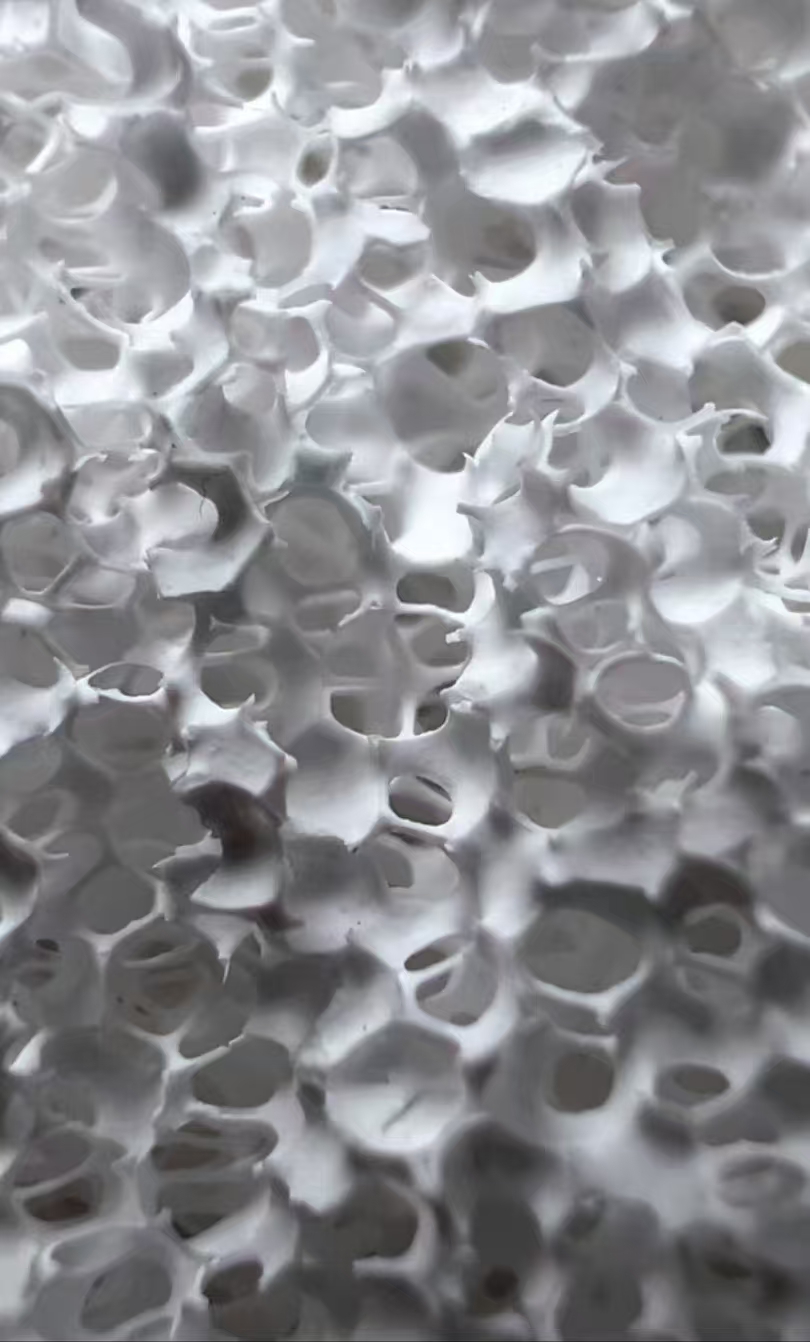
This is precisely the challenge that drove AC AquaClean to develop the Bio Ceramic Block. Manufactured from a specialized high-surface-area ceramic material and engineered with a unique open-porosity structure, the Bio Ceramic Block creates an intricate channel network resembling an "ant nest" at the microscopic level. This architecture not only provides dramatically more bacterial colonization area than conventional media but also ensures water penetrates deep into the internal structure, transforming every pore into an active biological reaction site.
Open-Porosity Structure: The Perfect Balance Between Flow and Efficiency
The fundamental dilemma in filter media design is this: the finer the pores, the greater the surface area, but the easier the clogging; the larger the pores, the better the flow, but the lower the effective bacterial colonization.
The Bio Ceramic Block resolves this conflict through precision-engineered pore geometry. Its open, interconnected porosity allows water molecules to move freely, maintaining low hydraulic resistance even after months of continuous operation. This means your filter pump doesn't need to work overtime, reducing energy consumption while preventing the expansion of anaerobic zones — a common culprit behind foul odors and abnormal nitrate spikes in aquariums.
From a chemical stability standpoint, the Bio Ceramic Block utilizes an inert ceramic substrate with a neutral pH of approximately 7.0. It releases no soluble substances into the water column. For pH-sensitive applications such as marine reef tanks or specialized freshwater setups (e.g., South American blackwater biotopes), this chemical inertness ensures long-term parameter stability without altering KH, pH, or TDS levels.
Freshwater & Marine Versatility: From Planted Tanks to Koi Ponds
As the aquarium market becomes increasingly specialized, the Bio Ceramic Block's versatility transcends the freshwater-saltwater boundary. In freshwater environments, it supports dense nitrifying colonies in planted tanks, handling the dual pressure of fertilizer dosing and fish metabolism. In marine systems, its inert composition is fully resistant to salt corrosion, providing a reliable ammonia-processing backbone for complex reef ecosystems.
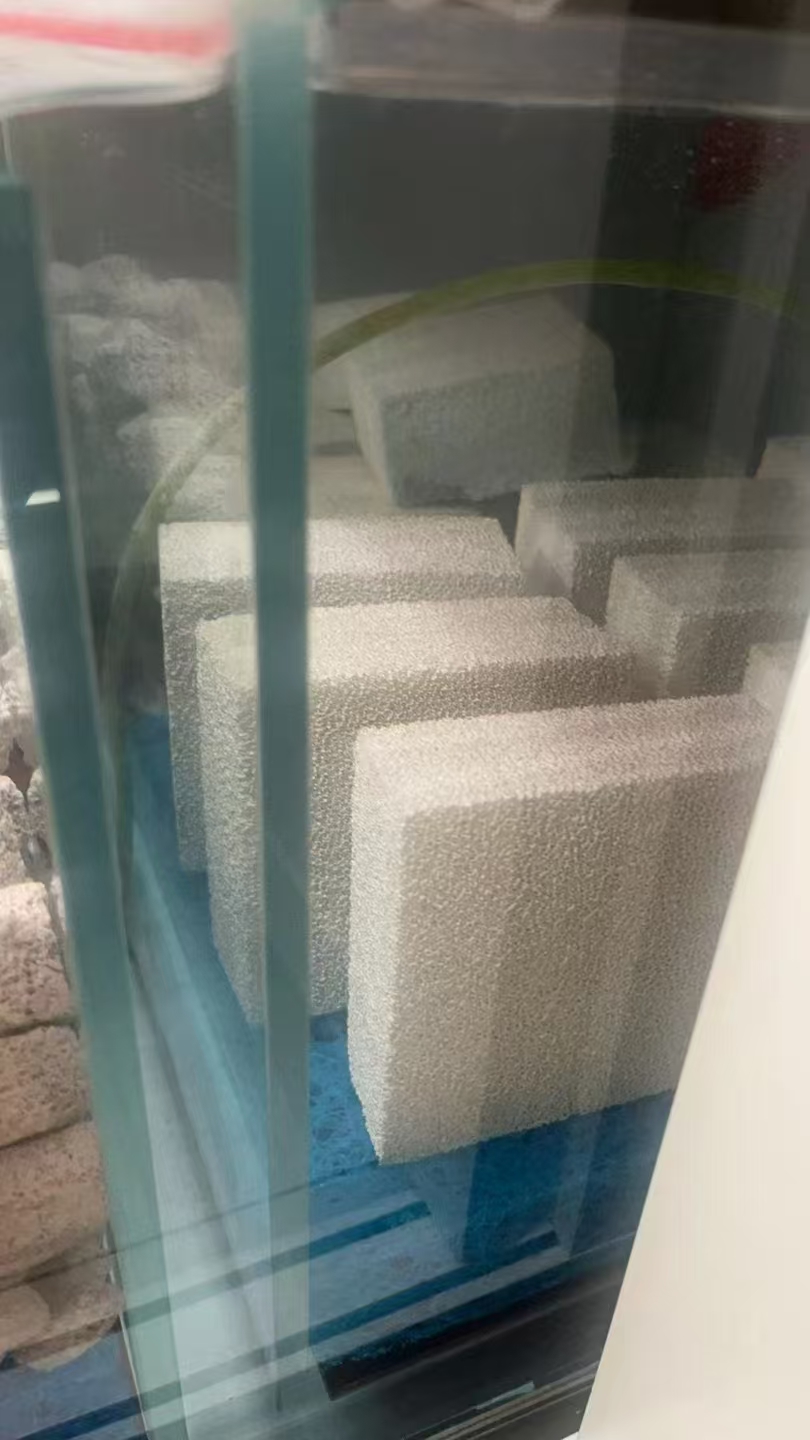
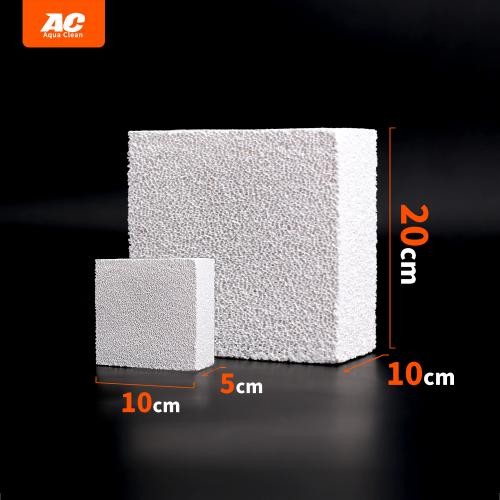
For enthusiasts running large sump filtration systems, the Bio Ceramic Block is available in two practical sizes: 10×10×5cm and 20×20×10cm. The larger format is ideal for stacking in sump chambers, featuring rounded edges to minimize chipping during handling and maintenance, with a service life exceeding five years. The compact size offers flexible configuration for smaller filter compartments, with a retail-friendly pack of 50 pieces per carton — perfect for aquarium stores or club group buys.
Faster Cycling: Shortening the New Tank Syndrome Window
The most anxiety-inducing phase for any aquarist is the "cycling" period of a new setup. Traditional media can take weeks or even a month to establish a stable nitrifying colony. The Bio Ceramic Block's enhanced adsorption properties significantly accelerate bacterial attachment and mass reproduction. Its optimized surface micro-roughness demonstrates superior affinity for key species including Nitrosomonas and Nitrobacter, helping your nitrification system reach equilibrium faster and shortening the safe waiting period before introducing livestock.
Building a Better Home for Your Beneficial Bacteria
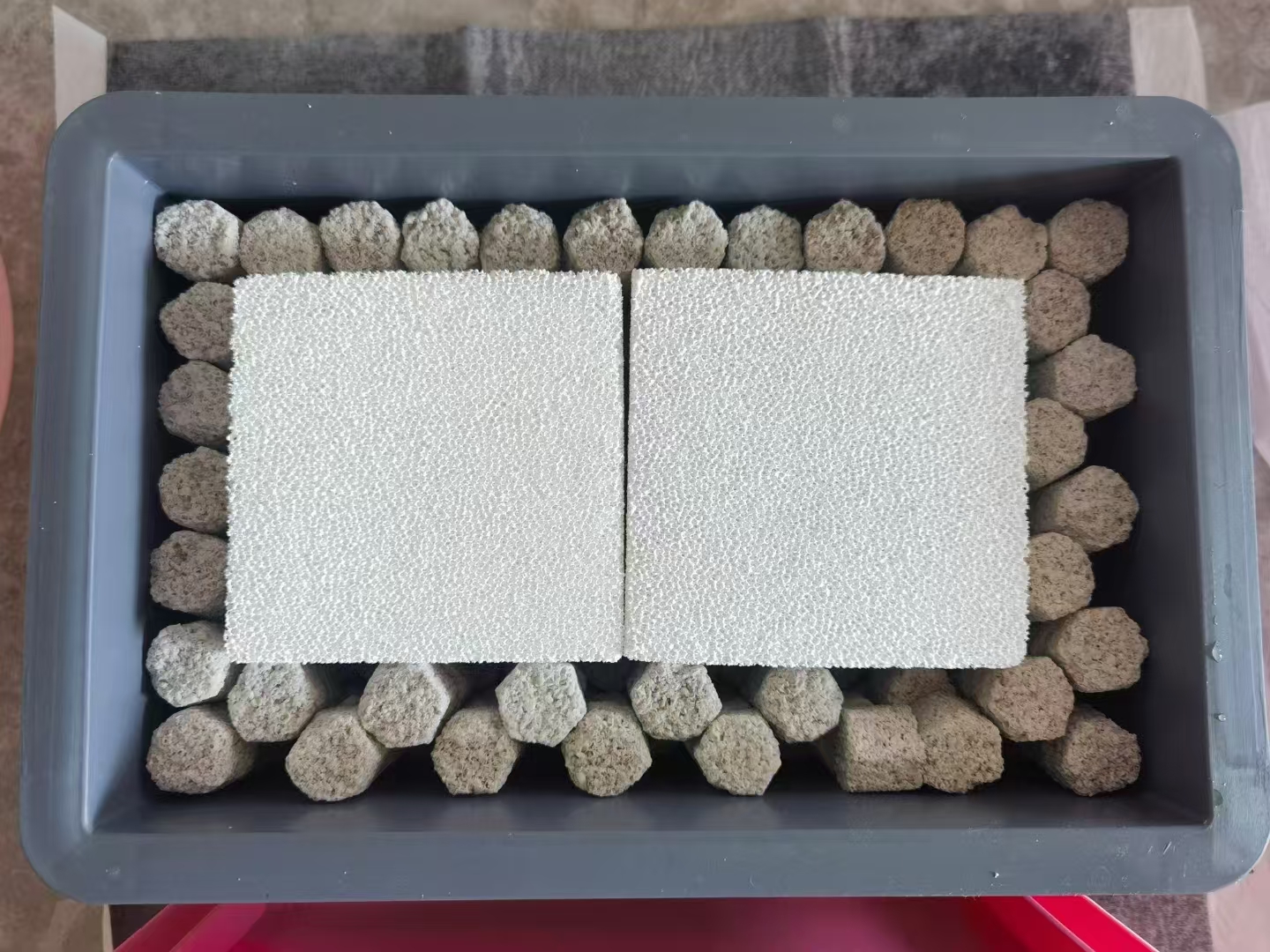
If we compare an aquarium filtration system to a city, nitrifying bacteria are the sanitation crew that keeps it running, and filter media is their workplace. The quality of that workplace directly determines cleaning efficiency. The AC AquaClean Bio Ceramic Block leverages high-surface-area ceramic technology and an open-porosity structure to unify unrestricted water flow with maximum biological capacity. Its chemical inertness safeguards water chemistry stability, providing a dependable biological filtration backbone for aquarium systems ranging from beginner setups to advanced installations.
Product Specifications:
- Compact: 10×10×5cm, 50 pieces per carton
- Large: 20×20×10cm, 10 pieces per carton
Suitable for both freshwater and marine environments. Service life exceeds 5 years.