The Core of Nitrification System: Why Serious Hobbyists Choose Ceramic Filter Media
Update time: 26-02-09 Views: 580
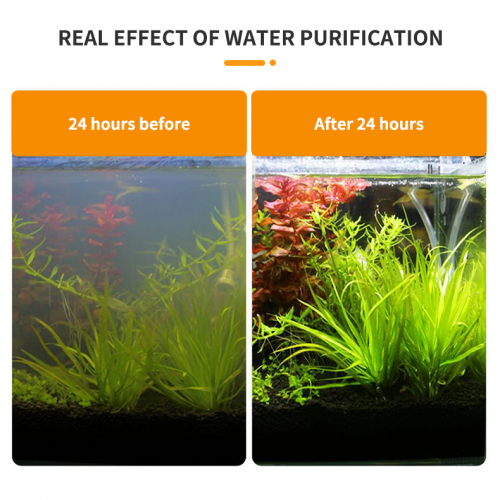
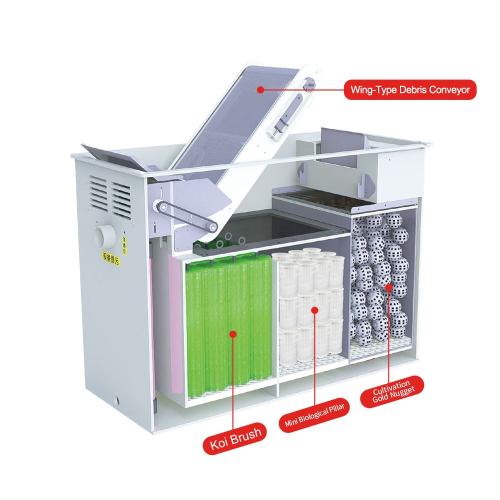
In the micro-ecosystem of an aquarium, invisible bacteria are often more important than the ornamental fish themselves. A mature nitrification system takes 2-6 weeks to establish stably, and the choice of filter media directly determines both the efficiency of this process and the long-term stability of the system. For serious hobbyists pursuing crystal-clear water and healthy fish, ceramic filter media has always been the first choice for sump filtration systems due to its unique physical structure and biocompatibility.
Home for Nitrifying Bacteria: Surface Area is Everything
Nitrifying bacteria are aerobic organisms that require abundant oxygen to convert toxic ammonia (NH₄⁺) into nitrite (NO₂⁻), and further into relatively harmless nitrate (NO₃⁻). This process demands two critical conditions from filter media: sufficient attachment surface and excellent water permeability.
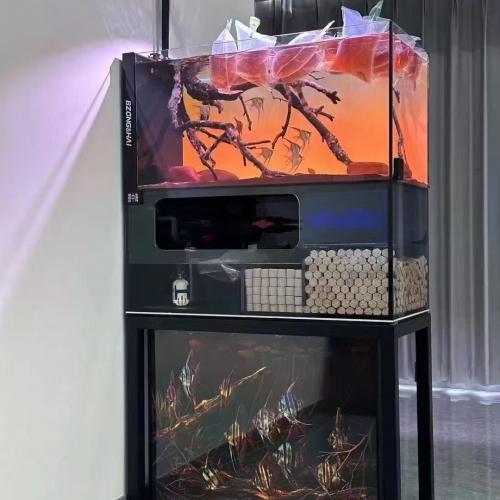
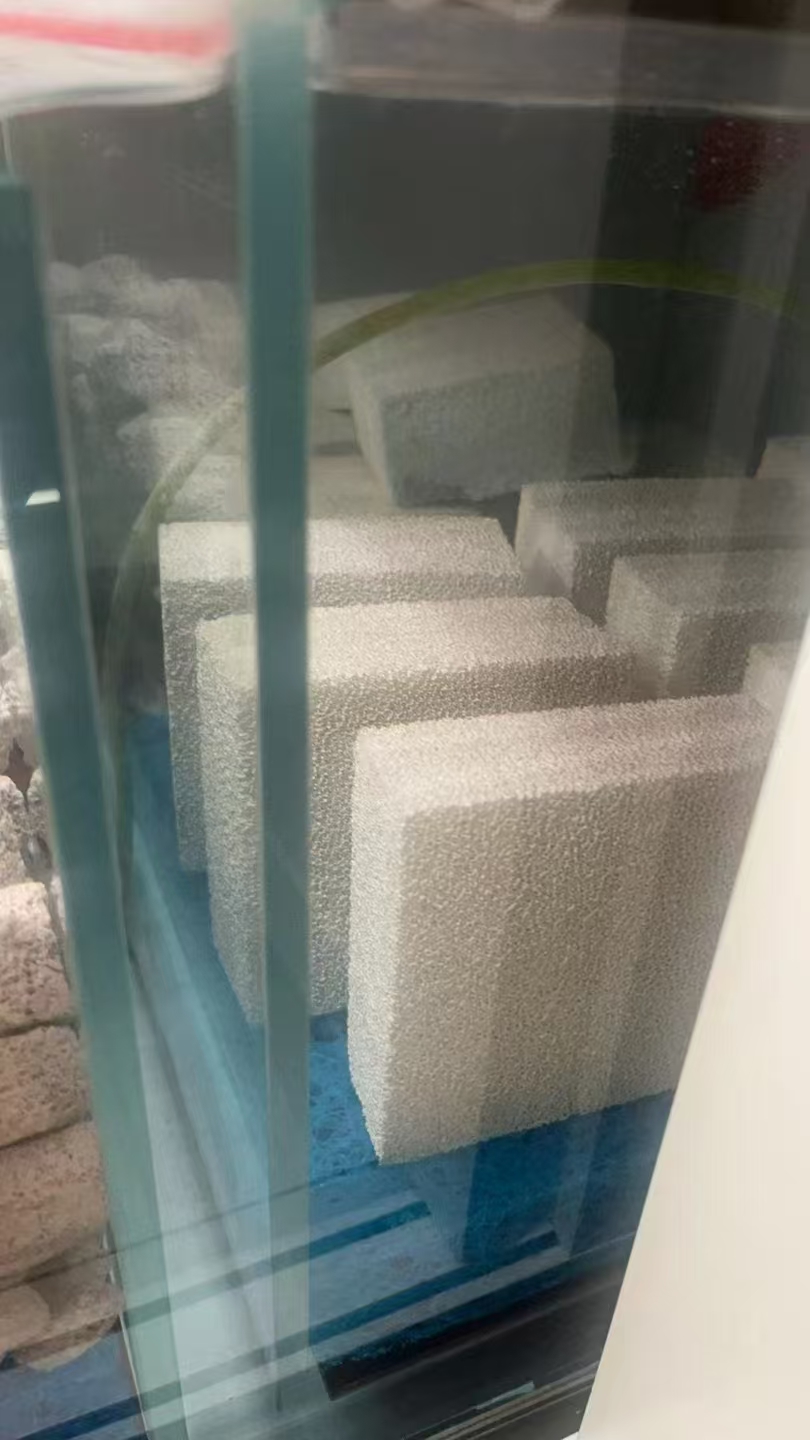
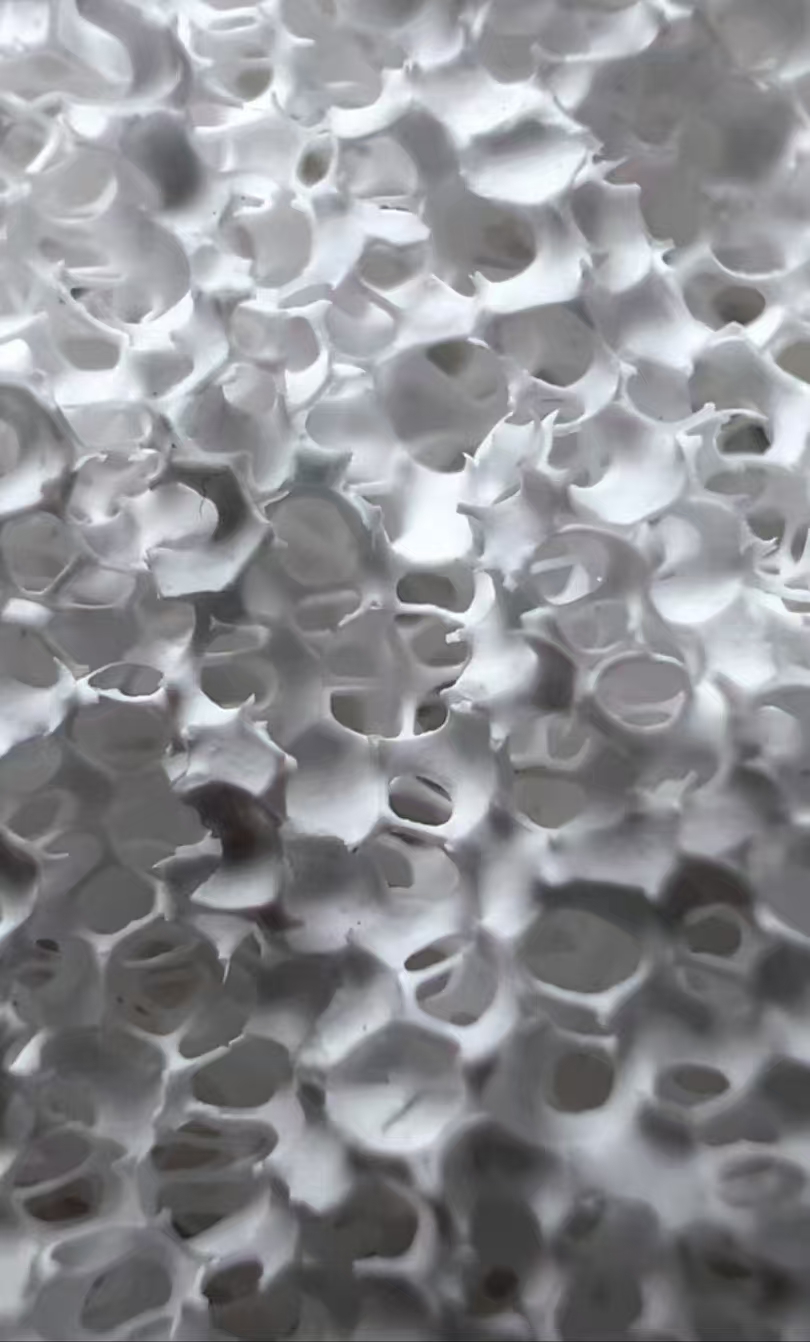
Traditional filter media often fail to balance these two aspects—sponges clog easily, while ceramic rings offer limited surface area. Filter media made from ultra-high surface area ceramic, however, mimics the structure of natural porous rock, creating vast internal spaces within a compact volume. This "ant-nest structure" not only provides massive colonies for bacterial attachment but also allows water to flow uniformly through its open porous characteristics, preventing dead zones and anaerobic areas.
Chemical Stability: The Overlooked Critical Factor
Many beginners focus solely on porosity when selecting filter media, neglecting the crucial indicator of chemical stability. Some inferior ceramics or synthetic materials slowly release substances during use, causing pH fluctuations or changes in water hardness—potentially fatal to sensitive corals or tropical fish.
Premium ceramic media should feature neutral pH properties with stable chemical characteristics that do not alter water hardness, pH, or other key parameters. Whether maintaining the alkaline environment required for African cichlids, the acidic conditions for Amazon soft-water fish, or the stable parameters of marine reef systems, chemically neutral filter media adapts perfectly without risking unexpected water chemistry shifts.
From Freshwater to Marine: One Media for All Scenarios
Modern aquarium enthusiasts often span multiple domains—from planted tanks to biotope aquariums, from Rift Lake cichlids to marine reefs, and even outdoor koi ponds. Frequently changing filter media is not only costly but more importantly disrupts established nitrification systems with each replacement.
Truly professional filter media should offer universal applicability. Ceramic material itself is non-absorbent and non-crumbly, maintaining structural integrity in both freshwater and marine environments. For large sump tanks or outdoor settlement chambers, large-format ceramic blocks reduce stacking gaps and maximize space utilization; rounded corner designs minimize erosion from long-term water flow, extending service life to over 5 years.
Confidence for High Bioload Systems
High-density stocking, large fish communities, and heavy feeding regimes represent the ultimate test for filter media. Ordinary media quickly clog under such conditions due to organic matter accumulation, leading to reduced flow, decreased oxygen levels, and eventual system collapse.
Ceramic filter media with strong water permeability and anti-clogging structure maintains smooth water flow even in organically rich environments. The open porous structure allows large particulate matter to pass through directly without forming biofilm blockages on the surface, while the internal fine pore channels provide safe habitat for bacteria. This "open outside, dense inside" structural design is the technical guarantee for stable operation of high bioload systems.
The Secret to Rapid Nitrification System Establishment
The most anxiety-inducing aspect of a new tank setup is the lengthy cycling period. The rapid biofilm colonization properties of ceramic media can significantly shorten this waiting time. Its surface carries micro-charges that provide natural adsorption affinity for nitrifying bacteria, accelerating their attachment and reproduction. Combined with proper aeration and light, frequent feeding, an effective nitrification system can often be established within 2-3 weeks, allowing new fish to be safely introduced.
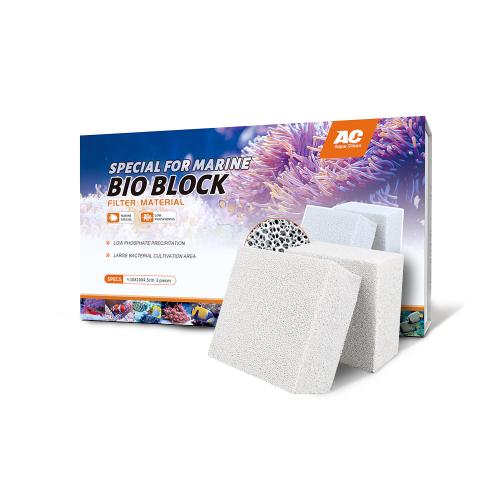
Product Recommendation: AC AquaClean Bio Ceramic Block
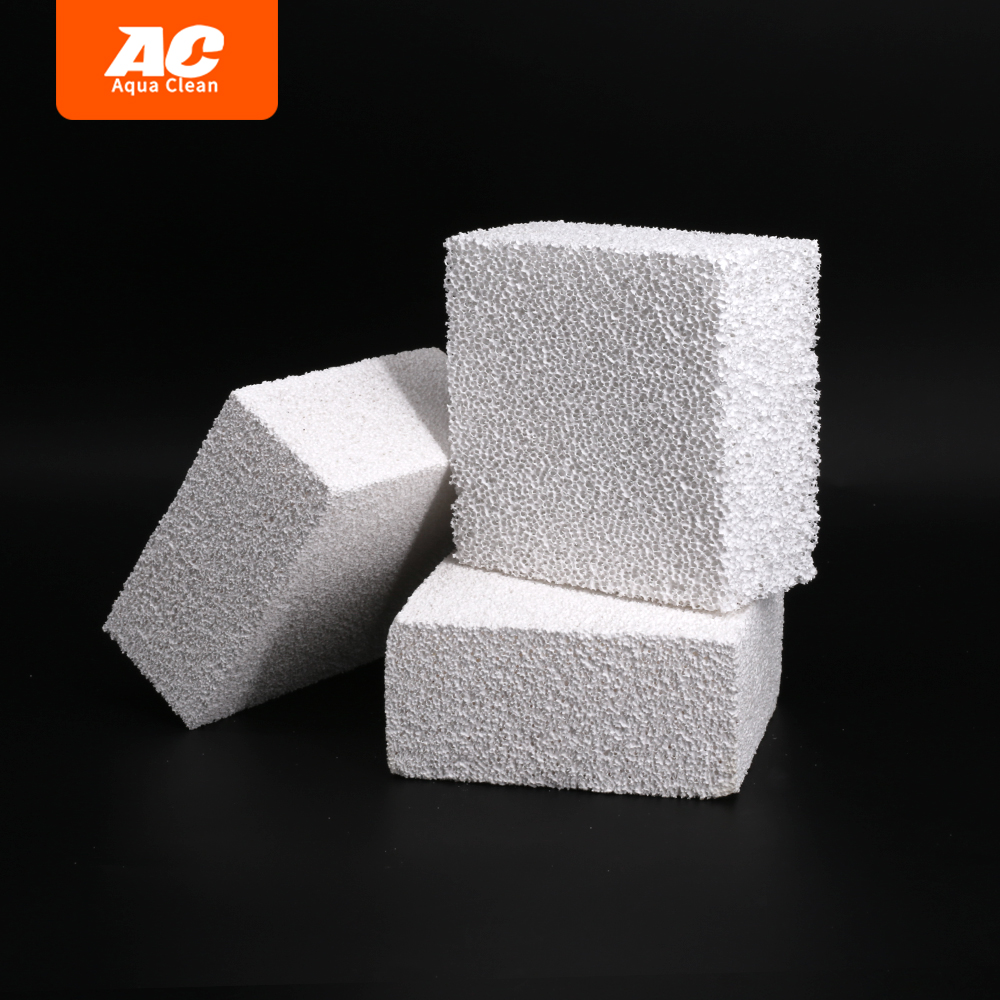
Designed for large sump systems and serious hobbyists, AC AquaClean Bio Ceramic Block is crafted from ultra-high surface area ceramic, embodying all the qualities professional filter media should possess:
Key Advantages:
- Vast Surface Area: Ant-nest porous structure provides massive colonization space for nitrifying bacteria
- Open Porous Design: Maintains high flow rates without clogging, ensuring water flow and oxygen supply
- Chemically Neutral: pH 7.0, does not interfere with water parameters, suitable for both freshwater and marine
- Strong Water Permeability: Uniform water distribution, preventing dead zones
- Extended Lifespan: Premium ceramic material, service life exceeding 5 years
- Rounded Anti-Wear Design: Reduces erosion from water flow, ideal for large sump tanks
Available Specifications:
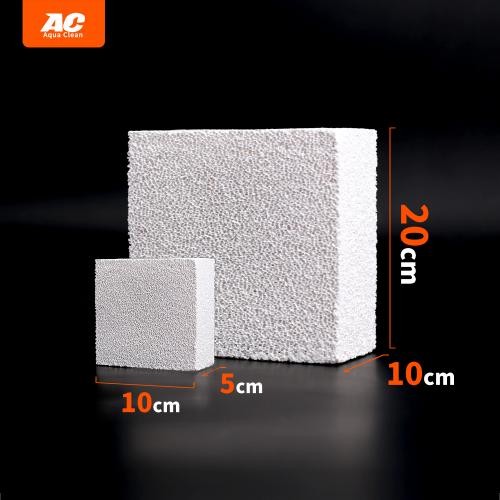
- 10×10×5cm (50pcs/carton) — Perfect for layered placement in standard sump tanks
- 20×20×10cm (10pcs/carton) — Designed for large settlement chambers and koi pond filtration systems

Whether for home arowana tanks, discus breeding systems, or professional filtration chambers for outdoor koi ponds, Bio Ceramic Block provides stable and reliable biological filtration support—the solid foundation for any aquatic ecosystem.