The Core of Marine Aquarium Water Management: Why Choosing Low-Phosphate Filter Media is Crucial
Update time: 26-02-13 Views: 445
For every marine aquarium enthusiast, maintaining stable water parameters is the key to successfully keeping corals and saltwater fish. Unlike freshwater aquariums, marine ecosystems have extremely stringent requirements for water quality—especially when it comes to controlling phosphate (PO4) levels. Excessive phosphate not only inhibits coral calcification and growth but also triggers algae outbreaks, disrupting the entire ecological balance.
The Core Challenges of Marine Aquarium Nitrification Systems
In saltwater aquariums, nitrifying bacteria play a vital role in breaking down ammonia (NH3/NH4+) and nitrite (NO2-). These beneficial bacteria require extensive surface areas to colonize, yet traditional filter media often suffer from two critical flaws: phosphate leaching and clogging issues.
Many conventional ceramic filter media introduce phosphate-containing raw materials during production, which slowly release phosphates over time, trapping aquarists in a vicious cycle of "reduce phosphate—rebound—reduce again." Meanwhile, dense porous structures, while offering surface area, are prone to clogging, resulting in poor water flow, reduced oxygen levels, and compromised nitrification efficiency.
AC Special for Marine Bio Block: Engineered for Marine Aquariums
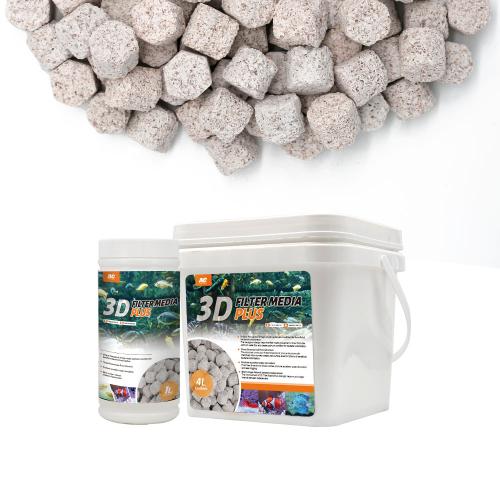
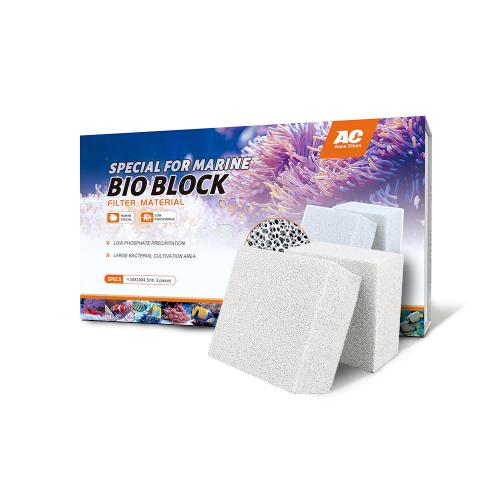
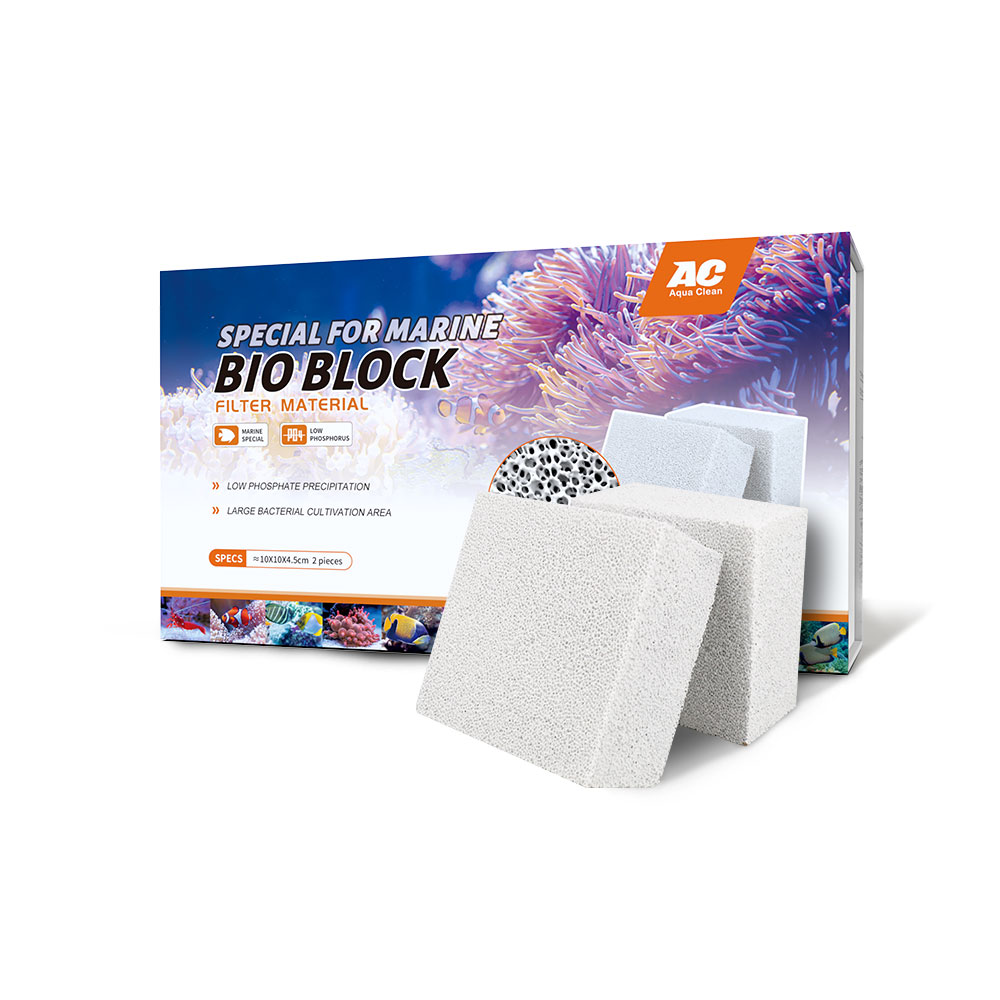
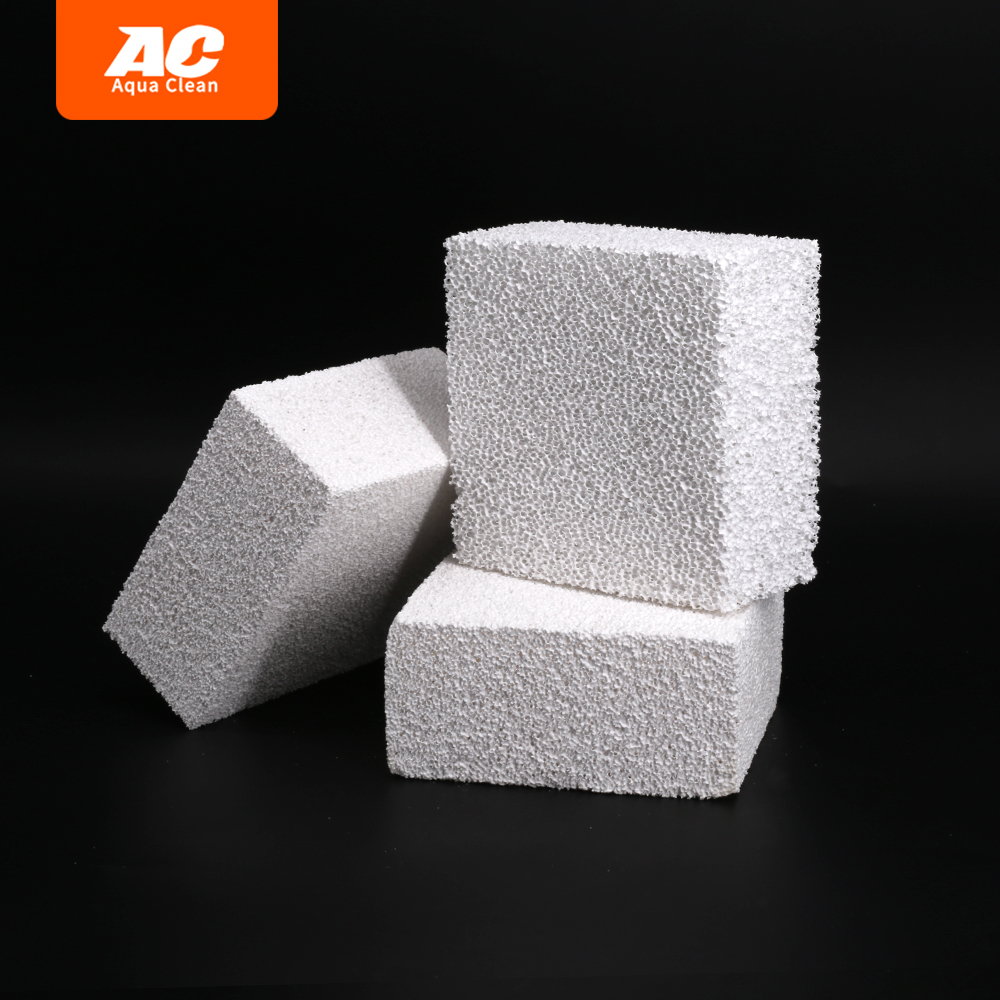
Addressing the unique demands of saltwater aquariums, AC Aqua Clear proudly presents the Special for Marine Bio Block—a high-performance biological filter media specifically designed for marine and reef aquariums.
A True "Low-Phosphate" Commitment
Professional testing confirms that the AC Special for Marine Bio Block contains only 0.0274% phosphate—negligible by industry standards. This means the media itself won't become a source of phosphate contamination, allowing aquarists to establish their nitrification system without worrying about phosphate spikes. For SPS hard coral keepers, this is particularly crucial, as hard corals are extremely sensitive to phosphate, with ideal PO4 concentrations maintained below 0.03ppm.
Open Porosity Structure: Say Goodbye to Clogging
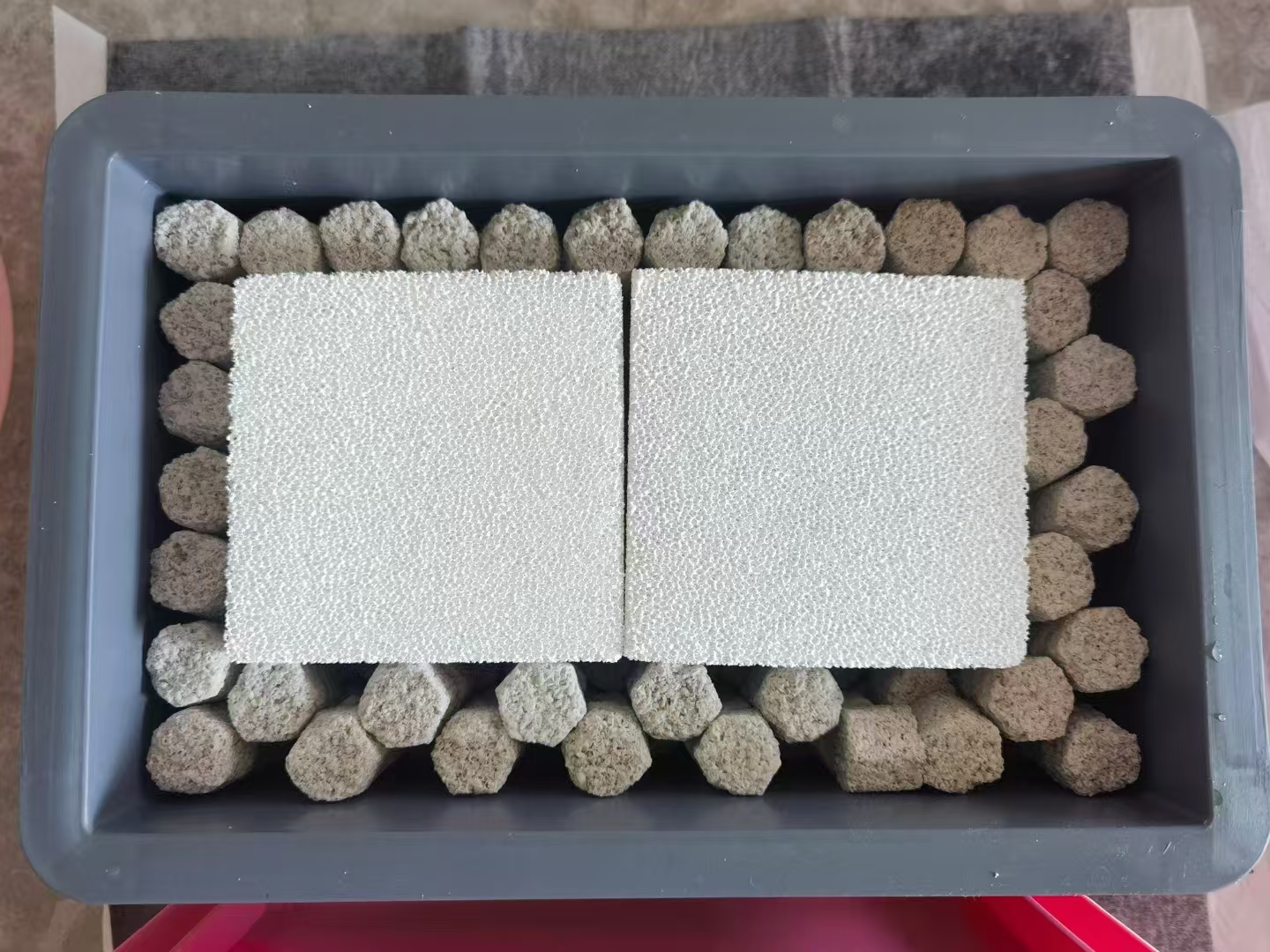
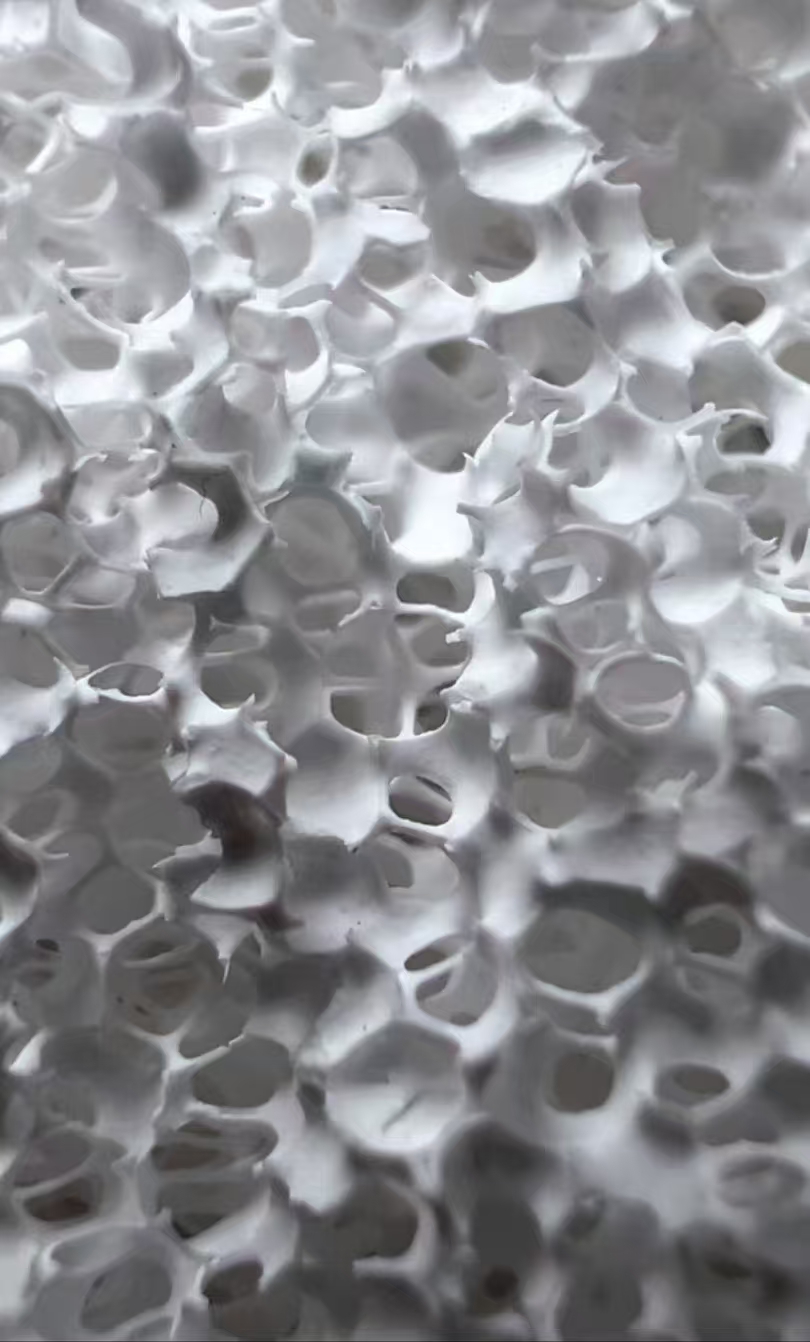
The AC Special for Marine Bio Block features a unique open-pore design that allows water to flow smoothly through every channel without creating dead zones or blockages. This structure not only improves water flow uniformity but also ensures adequate oxygen supply, creating ideal living conditions for aerobic nitrifying bacteria. Compared to traditional dense-pore media, it requires less frequent maintenance and quickly restores biological activity after cleaning.
Vast Surface Area for Efficient Nitrification Establishment
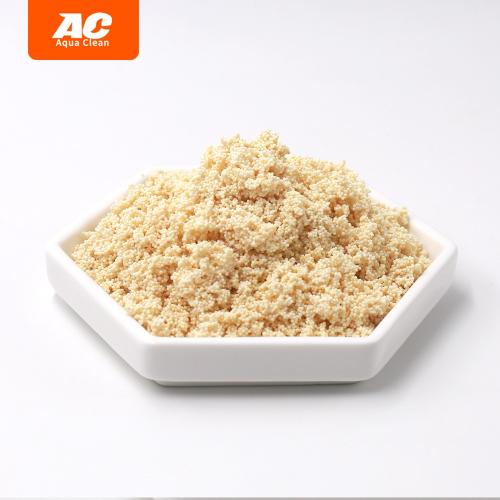
Every cubic centimeter of the AC Special for Marine Bio Block is precision-engineered to maximize specific surface area. This provides ample attachment sites for both nitrifying and denitrifying bacteria, enabling rapid establishment of a stable biological filtration system that effectively removes ammonia and nitrite while maintaining long-term water stability.
Safe Materials with Minimal Aluminum Ion Leaching
Filter media safety is equally important. The AC Special for Marine Bio Block is crafted from high-purity α-Al2O3 material and certified by SGS heavy metal testing, with cadmium, lead, mercury, and hexavalent chromium all reported as not detected (ND). Aluminum ion output is only 0.005ppm, far below the national drinking water standard (0.2mg/L), ensuring absolute safety for marine organisms.
Usage Recommendations
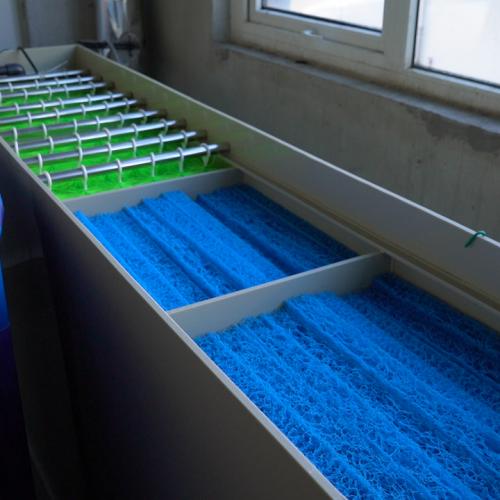
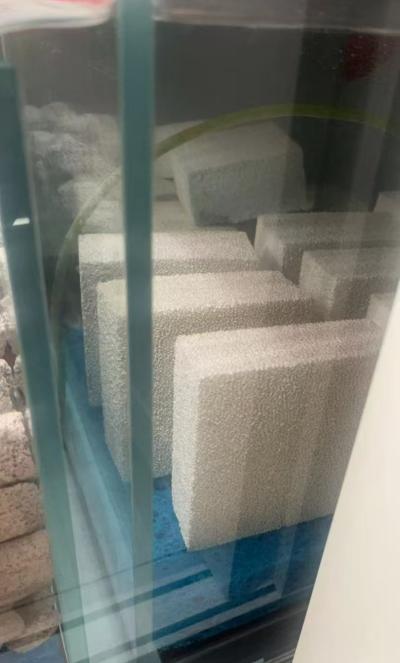
The AC Special for Marine Bio Block measures 10×10×4.5cm and is available in both single-piece and two-piece packaging. We recommend placing it in sump filter chambers, hang-on-back filters, or rear filtration compartments to ensure even water flow. Thanks to its stable material composition, it requires no frequent replacement—simply clean it periodically for long-term use.