
Building the Perfect Marine Ecosystem: A Complete Guide to AC Aqua Clean Sea Water Series Filter Media
Update time: 26-09-04 Views: 153
I. The Marine Aquarium — The "Crown Jewel" of the Aquascaping World
If freshwater aquariums are the playground for beginners, then marine aquariums undoubtedly represent the ultimate dream for aquarists. A tank filled with colorful corals and graceful marine fish, illuminated by blue-purple lighting like a miniature tropical ocean, offers a visual impact unmatched by any other pet hobby.
However, beauty often comes with challenges. Compared to freshwater environments, marine ecosystems demand extremely stringent water quality standards — stable pH (8.1–8.4), precise calcium-to-magnesium ratios, near-zero phosphate levels, and a complete nitrogen cycle. Every parameter directly affects coral survival and coloration. Even slight deviations can cause corals to shrink and fade, or in worst cases, trigger a total ecosystem collapse.
This is precisely why a scientific and professional marine filtration system becomes the "anchor" for every reef keeper.
II. Core Principles of Marine Water Quality Management: From the Nitrogen Cycle to Nutrient Control
Before diving into the products, let’s understand the core logic behind marine aquarium water quality management:
1. The Nitrogen Cycle: The "Lifeline" of Your Reef Tank
The nitrogen cycle in marine aquariums follows a clear transformation pathway:
> Ammonia (NH₃/NH₄⁺) → Nitrite (NO₂⁻) → Nitrate (NO₃⁻) → Nitrogen Gas (N₂)
Fish waste and uneaten food decompose in the water, producing highly toxic ammonia. Nitrosomonas bacteria then convert it into nitrite, and Nitrobacter further transform it into less toxic nitrate. In a well-established filtration system, denitrifying bacteria reduce nitrate into nitrogen gas, which is eventually expelled from the water.
This process requires filter media that provide sufficient bacterial colonization surface area and appropriate water flow. If the media itself leaches phosphate or heavy metals, it’s like "treating the disease while poisoning the patient."
2. Phosphate (PO₄): The "Invisible Killer" of Corals
For reef tanks, phosphate is public enemy number one. When PO₄ concentration exceeds 0.03 ppm, coral calcification is significantly inhibited and skeletal growth stalls. At the same time, phosphate is the primary nutrient source for algae. Once levels spike, nuisance algae such as hair algae and diatoms quickly colonize tank walls and coral bases, destroying the overall aquascape.
Many conventional activated carbon and ceramic filter media contain high levels of phosphate impurities. Long-term use can turn them into pollution sources rather than solutions. Therefore, choosing low-phosphate or phosphate-free media is the first principle for every marine aquarist.
3. Calcium (Ca) and Magnesium (Mg): The "Building Materials" for SPS Corals
Stony corals (SPS) continuously absorb calcium ions from the water to build their calcium carbonate skeletons. Meanwhile, magnesium not only participates in skeletal formation but also inhibits abnormal calcium carbonate precipitation, maintaining stable calcium concentration. In a healthy reef tank, calcium should be kept at 400–450 ppm, and magnesium at 1280–1350 ppm.
These elements need to be replenished continuously and steadily, rather than in large one-time doses — this is exactly the value of a calcium reactor paired with high-quality reactor media.
III. AC Aqua Clean Sea Water Series: Engineered for Perfection
AC Aqua Clean (AC), a brand under Zone Water Treatment Technology Co., Ltd., has been deeply involved in aquarium filtration media for over a decade, with products trusted by aquarists in more than 50 countries and regions worldwide. Drawing on over 20 years of technical expertise in drinking water purification, AC has introduced "food-grade safety standards" into aquarium filtration media R&D, creating the Sea Water Series specifically designed for marine and reef aquariums.
Below, we analyze each core product in the series and its role in a marine filtration system.
1. Marine-Spec Activated Carbon — The Gatekeeper of Pristine Water
Role: Chemical Filtration
Activated carbon is one of the most commonly used chemical filtration materials in marine aquariums, removing organic pollutants, medication residues, and yellowing compounds (Gelbstoff). However, standard activated carbon often contains high phosphate impurities, releasing PO₄ while adsorbing — a counterproductive trade-off.
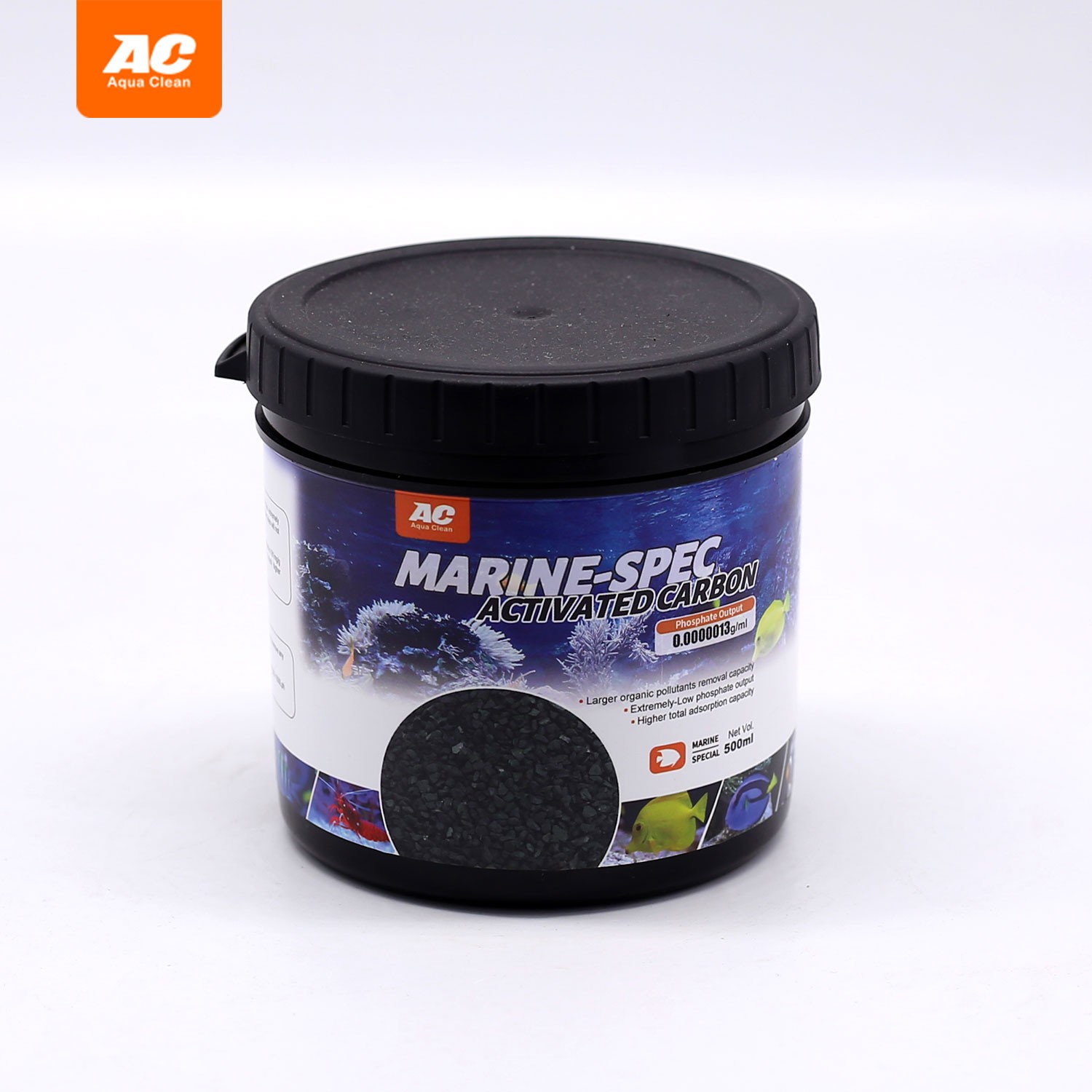
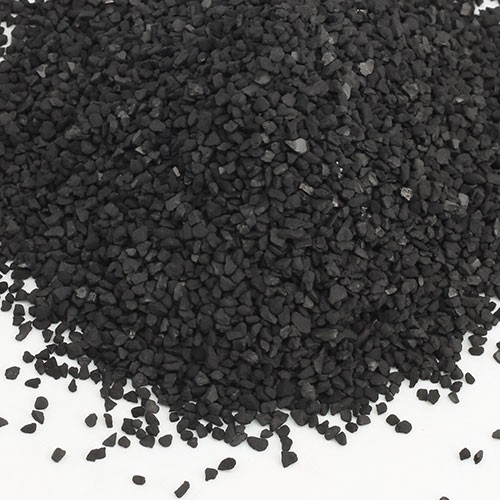
AC Marine-Spec Activated Carbon undergoes special activation treatment. Tested performance:
Parameter
Value
Phosphate Leaching
0.0000013 g/ml (negligible)
Methylene Blue Adsorption
181 mg/g (far exceeding standard carbon)
Total Surface Area
1000 m²/g
Pore Volume
1.04 ml/g
Particle Size
0.6–2.3 mm
Usage Tips: Replace every 4–6 weeks to ensure continuous adsorption performance. Rinse briefly with RO water before use to remove surface dust. Place in a sump filter chamber or filter bag, ensuring even water flow through the media.
2. NP-Reducing BioPellets — The Biological Engine for Nutrient Control
Role: Biological Nitrogen & Phosphorus Removal
In closed marine systems, the accumulation of nitrate (NO₃) and phosphate (PO₄) is inevitable. While water changes offer limited efficiency, AC Marine BioPellets provide a passive, continuous nutrient control solution.
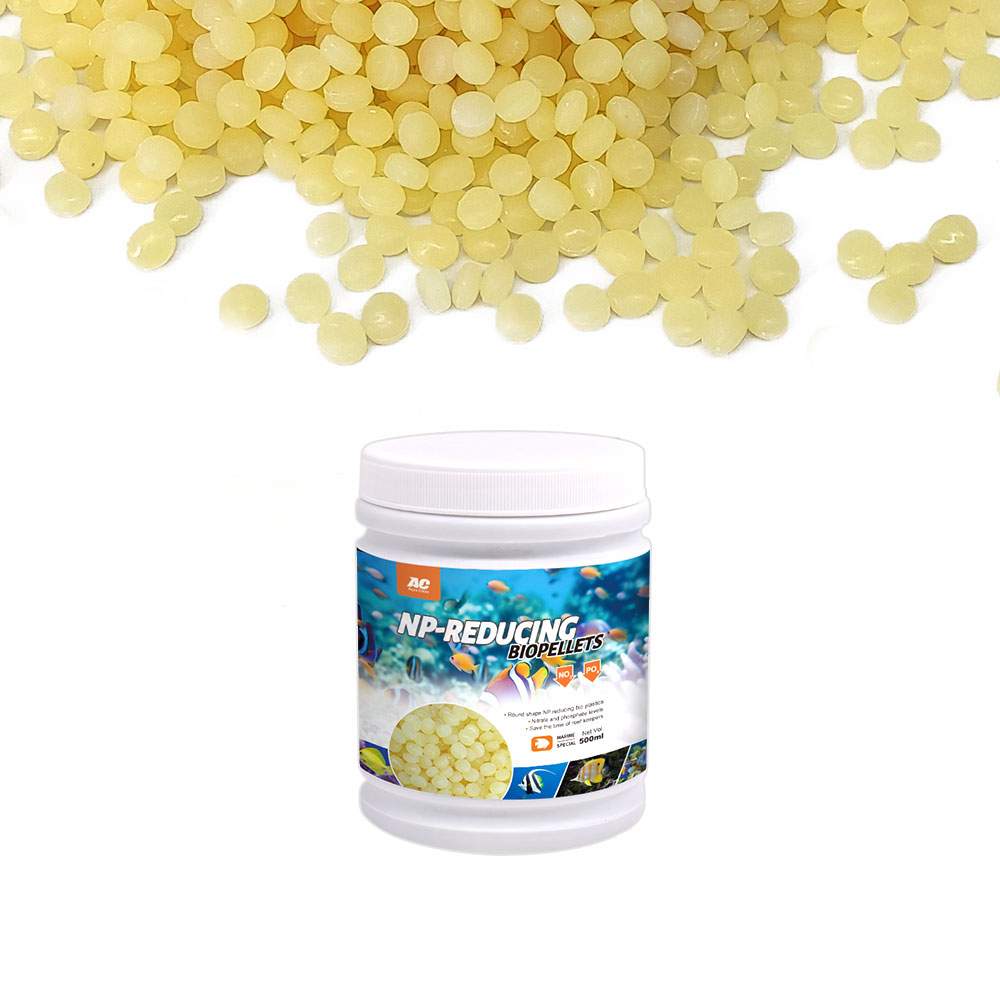
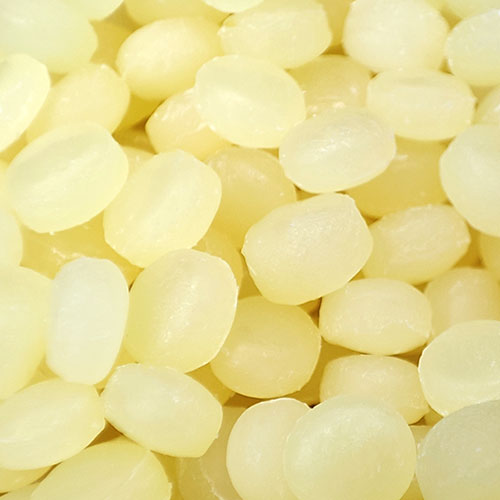
How It Works: BioPellets are biodegradable organic materials. When placed in a BioPellet reactor with sufficient water flow to keep them tumbling, aerobic heterotrophic bacteria rapidly form a biofilm on their surface. These bacteria use the pellets as a carbon source while consuming nitrogen (N) and phosphorus (P) from the water, converting nitrates and phosphates into biomass. This bacteria-laden biomass is then removed by a protein skimmer, achieving permanent nutrient export.
As operation continues, anaerobic layers gradually form inside the pellets, further catalyzing denitrification and reducing nitrate to nitrogen gas.
Product Specs: 500 mL/bottle
Application: BioPellet reactor
Key Advantage: Simultaneously reduces NO₃ and PO₄ without manual carbon dosing, avoiding water quality fluctuations caused by carbon overdosing.
3. Marine-Spec Bio Block — The Foundation of Nitrification
Role: Core Biological Filtration
If BioPellets are responsible for "removing," then Bio Blocks are responsible for "stabilizing" — they are the root of a stable nitrification system. AC Marine-Spec Bio Block is specifically designed for marine and reef tanks, with material safety pushed to the extreme:
Test Parameter
Result
Notes
Phosphate Content
0.0274%
Extremely low
Aluminum Ion Leaching
0.005 ppm
Far below drinking water standard of 0.2 mg/L
Heavy Metals (Cd, Pb, Hg, CrVI)
ND (Not Detected)
EU RoHS Directive compliant
Structural Advantages: Open-pore structure ensures enhanced water flow and clog resistance; massive surface area provides ideal conditions for beneficial bacteria colonization. Single block dimensions: 10 × 10 × 4.5 cm, allowing flexible arrangement in sump filter chambers.
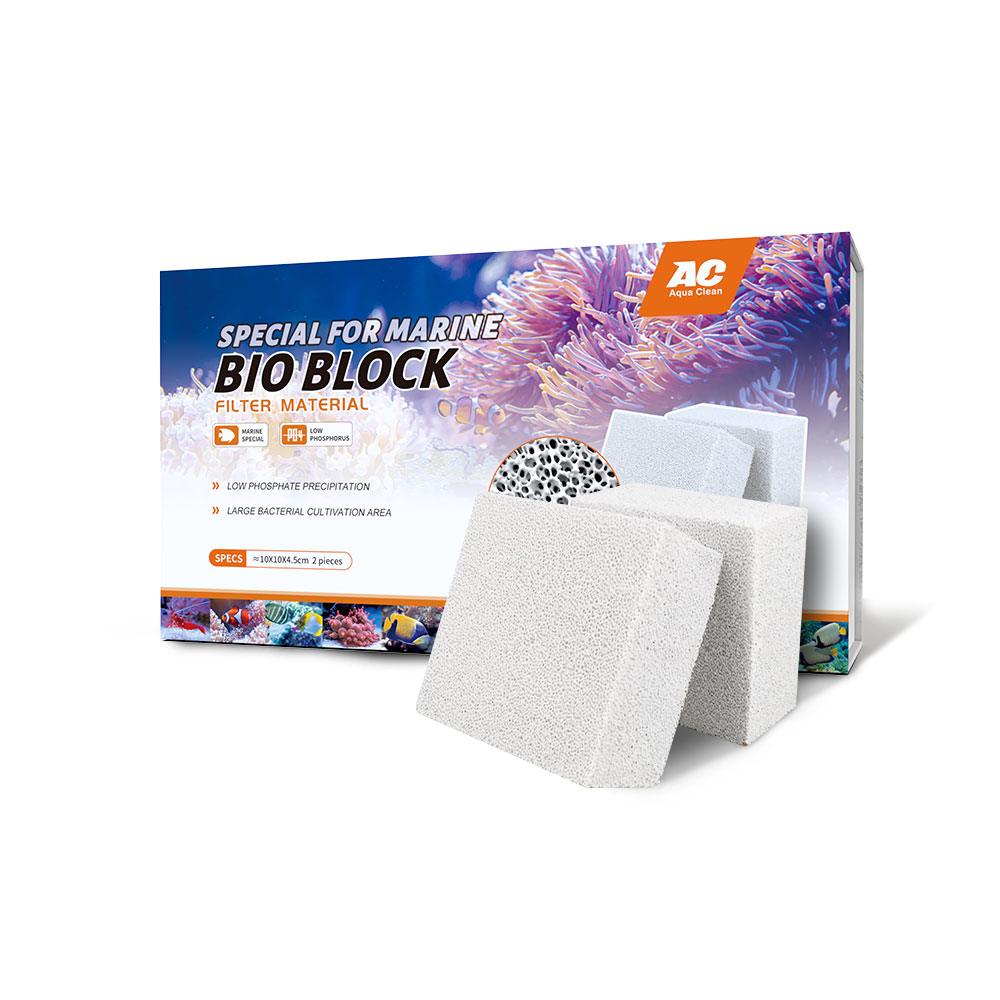
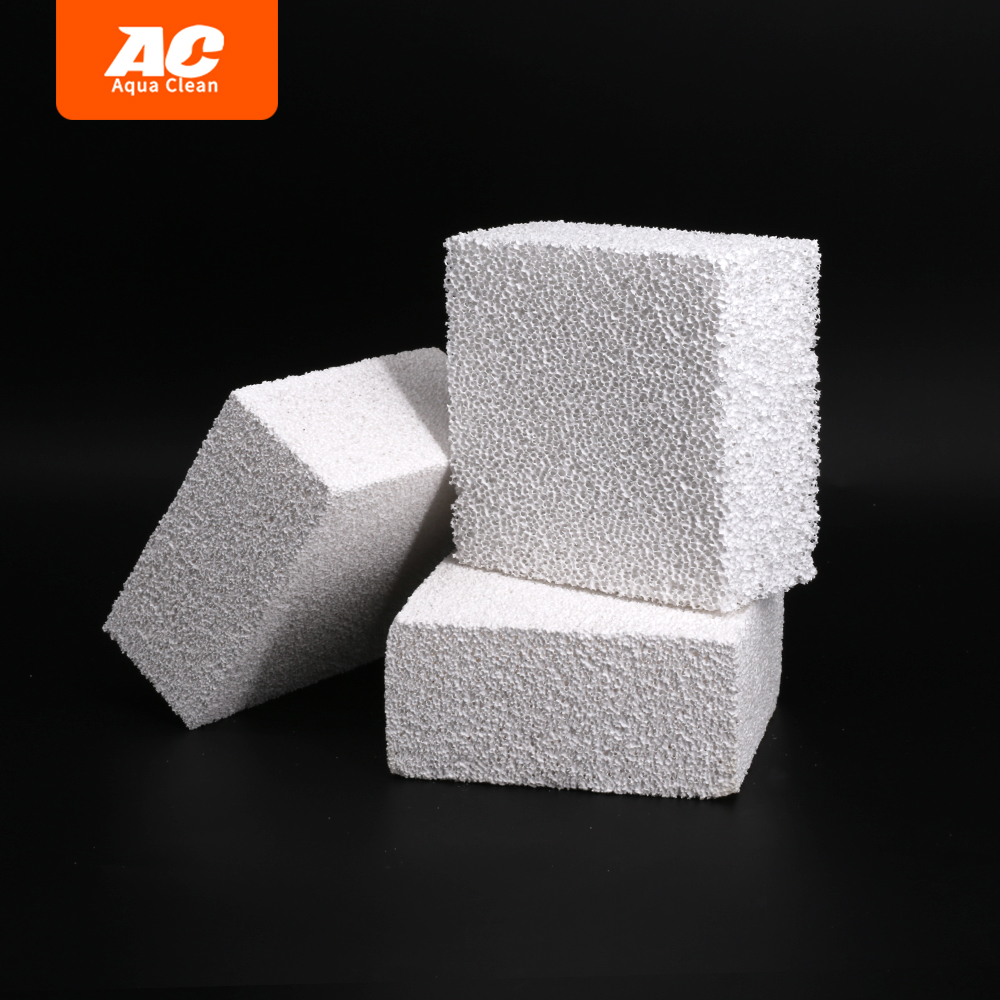
Usage Tips: Use together with Marine-Spec Activated Carbon to create a dual "physical adsorption + biological decomposition" purification system.
4. Phosphate Remover — The Precision Sniper for PO₄
Role: Chemical Phosphate Removal
Even with diligent maintenance, reef tanks occasionally experience sudden phosphate spikes — perhaps from contaminants introduced with new corals or overfeeding. In these situations, a fast-acting, efficient, and reusable phosphate removal product is essential.
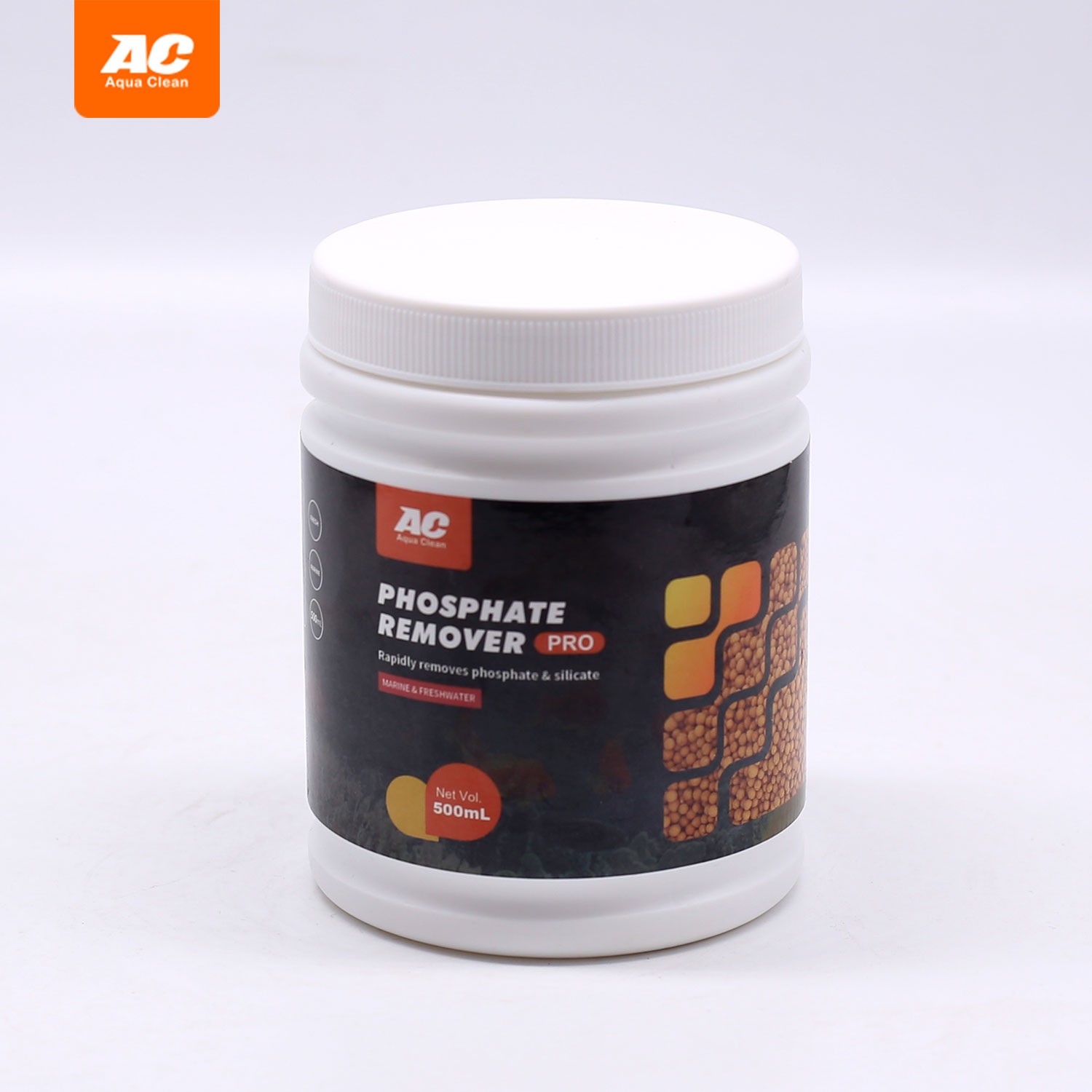
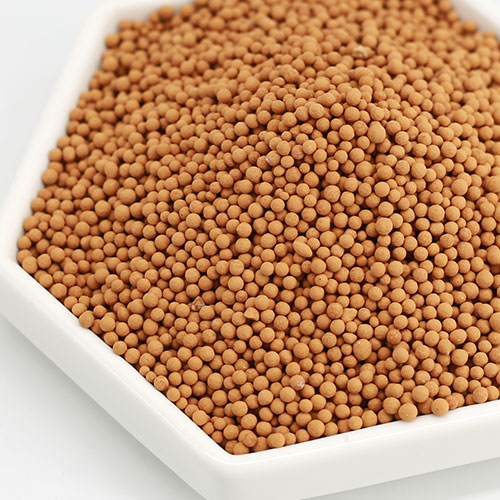
AC Phosphate Remover utilizes an iron-based/aluminum-based composite formula with high porosity and specific surface area, achieving a phosphate binding capacity of 1.99 mg/g — far surpassing competing products. Testing shows it can rapidly reduce phosphate concentration to below 0.03 ppm and maintain it at extremely low levels over the long term.
Even under high flow rates, it maintains excellent removal efficiency without performance degradation or particle breakdown, making it ideal for recirculating filtration systems, aquariums, and ponds.
Product Specs: 500 mL/bottle (iron-based or aluminum-based options)
Application: Marine aquarium filter sump
Highlights: Uniform granules, high strength, minimal dusting, reusable and eco-friendly.
5. Activated Calcium Reactor Media — The High-Efficiency Catalyst for Calcium Reactors
Role: Calcium Reactor Media
AC Activated Calcium Reactor Media is a high-purity media specifically for calcium reactors, treated with advanced activation technology. Testing proves its calcium dissolution efficiency is 35% higher than traditional calcium reactor media.
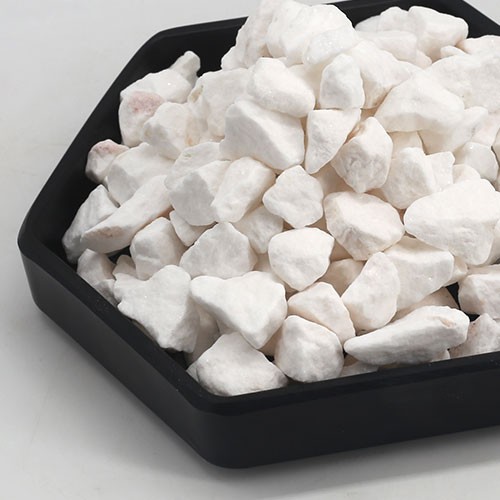
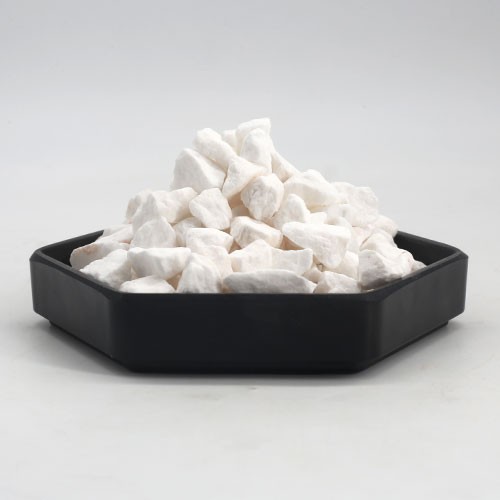
When used with a calcium reactor and CO₂ system, it slowly dissolves in an acidic environment, continuously releasing calcium, magnesium, strontium, potassium, and carbonates — all essential elements for marine aquariums. Meanwhile, its extremely low aluminum and phosphorus content effectively prevents the introduction of harmful impurities.
Product Specs: 1 L/bottle
Application: Marine aquarium calcium reactor
Usage Tips: Rinse with clean water before use. Adjust the flow rate through the reactor and the internal pH to precisely control dissolution rate, ensuring stable and continuous elemental supplementation.
6. Reef Spec Magnesium Plus — The Stabilizer for Magnesium Balance
Role: Magnesium Supplementation
Magnesium is the third most abundant cation in seawater and is critical for coral skeletal formation and overall water chemistry balance. AC Reef Spec Magnesium Plus is manufactured with advanced activation technology. Its unique physical structure and activated surface treatment dramatically boost magnesium ion release efficiency — magnesium release capacity is over 6 times higher than traditional magnesium granules.
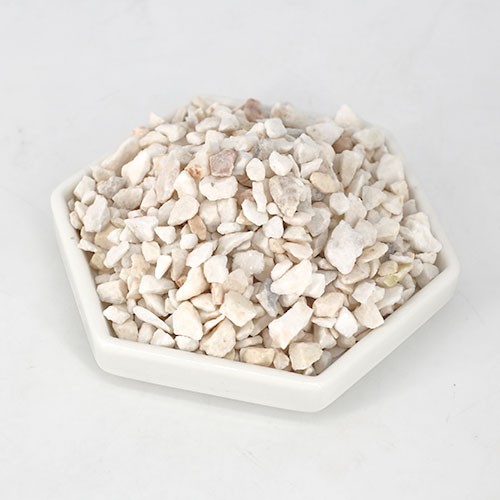
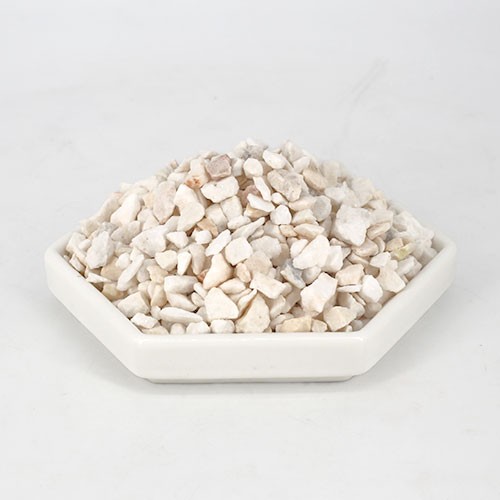
Like the calcium media, Reef Spec Magnesium Plus slowly dissolves inside a calcium reactor under CO₂-controlled acidic conditions. It is completely ammonia-free and introduces no chlorides or sulfates, eliminating unnecessary byproduct accumulation and ensuring a pure, safe magnesium supplementation process.
Product Specs: 1 L/bottle
Application: Marine aquarium calcium reactor
Ideal For: Newly established marine tanks needing rapid magnesium stabilization, and maintaining magnesium balance in coral reefs and rockwork ecosystems.
7. Activated Zeolite — The Scavenger for Ammonia and Heavy Metals
Role: Ion Adsorption
Ammonia (NH₄⁺) is one of the most dangerous toxins in marine aquariums. Even trace amounts can be fatal to corals and invertebrates. AC Activated Zeolite undergoes special activation treatment, delivering excellent ion adsorption performance. It efficiently binds ammonia, as well as heavy metal ions such as zinc, copper, and lead.
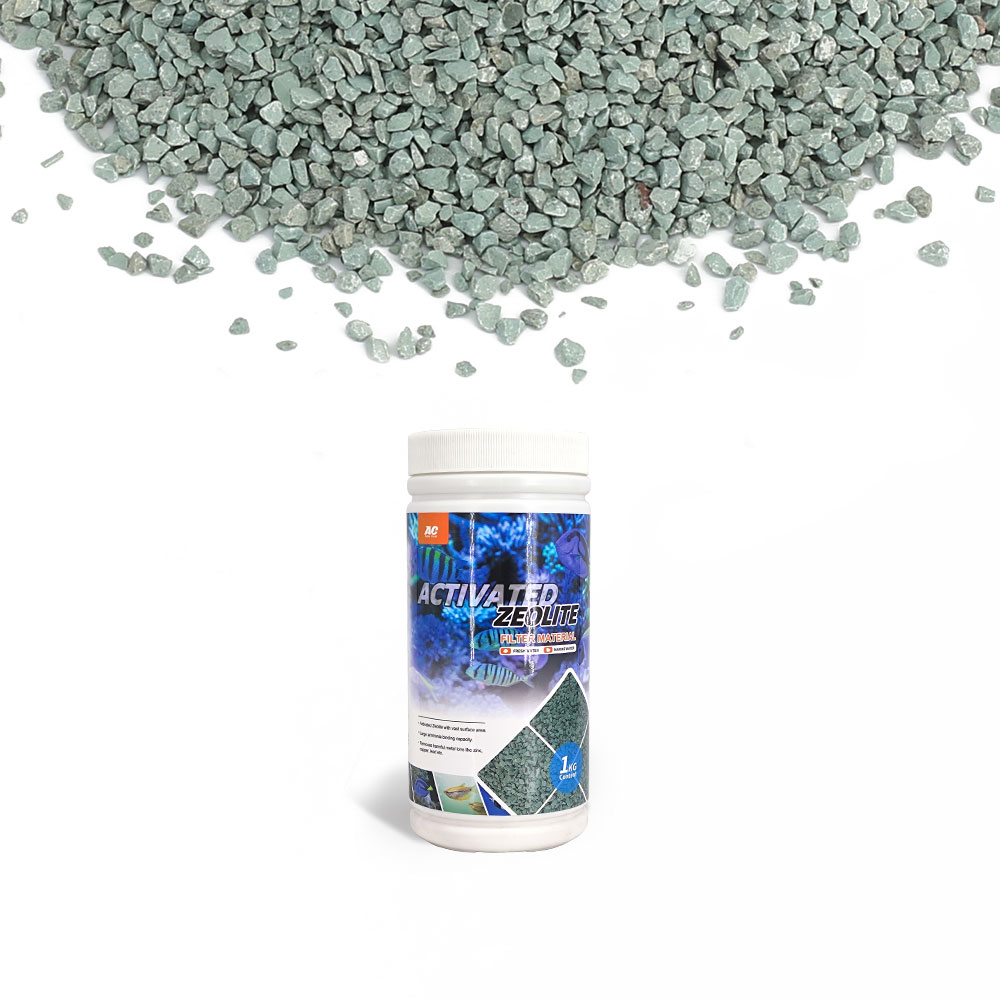
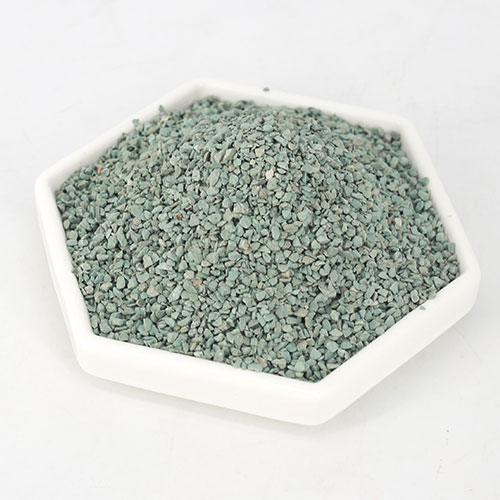
Through advanced activation technology, its pore structure is significantly optimized, with a specific surface area far exceeding that of natural zeolite. Testing shows it can reduce ammonia concentration to undetectable levels within 24–48 hours, making it especially suitable for marine aquariums and coral culture systems that are highly sensitive to ammonia.
Product Specs: 1 L/bottle
Application: Marine sump or fluidized bed reactor
Usage Tips: Rinse moderately before use. Place in a filter compartment, reactor, or any location with strong water flow to maximize adsorption performance.
IV. Recommended Marine Filtration System Setup
A complete marine aquarium filtration system should follow the hierarchy of "Physical Filtration → Biological Filtration → Chemical Filtration → Functional Adjustment." Below is a recommended configuration using AC Sea Water Series products:
Filtration Layer
Recommended Product
Function
Layer 1: Physical Interception
Filter floss / filter sock
Traps fish waste, uneaten food, and large particulates
Layer 2: Biological Filtration
Marine-Spec Bio Block + NP-Reducing BioPellets
Establishes nitrification system; decomposes ammonia/nitrite; controls nitrate/phosphate
Layer 3: Chemical Filtration
Marine-Spec Activated Carbon + Phosphate Remover
Removes organic pollutants and yellowing compounds; precisely controls phosphate
Layer 4: Elemental Supplementation
Activated Calcium Reactor Media + Reef Spec Magnesium Plus (inside calcium reactor)
Continuously replenishes Ca, Mg, Sr, KH, and other key elements
Emergency / Auxiliary
Activated Zeolite
Rapidly adsorbs ammonia and heavy metals during water quality emergencies
Protecting Every Ocean with Professionalism
The charm of a marine aquarium lies in its recreation of a real ocean micro-ecosystem. Behind that authenticity is the relentless pursuit of every water parameter. Starting from the genetic principle of "low-phosphate safety," AC Aqua Clean Sea Water Series covers four dimensions — chemical filtration, biological filtration, nutrient control, and elemental supplementation — providing marine hobbyists worldwide with a complete, reliable, and long-lasting water quality management solution.
Whether you are a coral beginner just starting out or an SPS enthusiast chasing极致 coloration, choosing the right filter media is the first insurance policy for your reef tank ecosystem. After all, crystal-clear water, healthy corals, and vibrant fish are the best rewards for the passion we invest.