Marine Aquarium Nitrogen Cycle Upgrade Guide: Why Low-Phosphate Filter Media Is Essential for Reef Tanks
Update time: 26-05-16 Views: 267
1. The Core Challenges of Marine Water Quality Management
For saltwater aquarium and reef tank enthusiasts, maintaining stable water parameters is the foundation of successfully keeping corals and marine fish. The most critical component of a marine ecosystem is the establishment and maintenance of the nitrification system—beneficial nitrifying bacteria convert toxic ammonia (NH₃/NH₄⁺) and nitrite (NO₂⁻) into relatively safer nitrate (NO₃⁻), thereby protecting sensitive corals and marine organisms from poisoning.
However, many aquarists face several tricky problems when setting up their filtration systems:
- Excessive Phosphate (PO₄): Ordinary ceramic rings or lava rocks often contain high phosphate levels, continuously releasing PO₄ into the water over time. This leads to algae outbreaks, abnormal coral skeletal growth, and even coral tissue recession.
- Water Flow Blockage: Traditional filter media feature dense pore structures that easily become clogged with organic matter and biofilm after prolonged use, resulting in poor water flow, decreased oxygen levels, and compromised nitrification efficiency.
- Insufficient Surface Area: The effective surface area of filter media directly determines the total population of nitrifying bacteria it can support. Inadequate surface area means the biological filtration capacity has a hard ceiling.
These issues may seem independent, but they are interconnected. Truly suitable marine aquarium filter media must simultaneously excel in low phosphate leaching, open-pore structure, and massive specific surface area.
2. Special for Marine Bio Block: Bio-Filter Media Engineered for Reef Aquariums
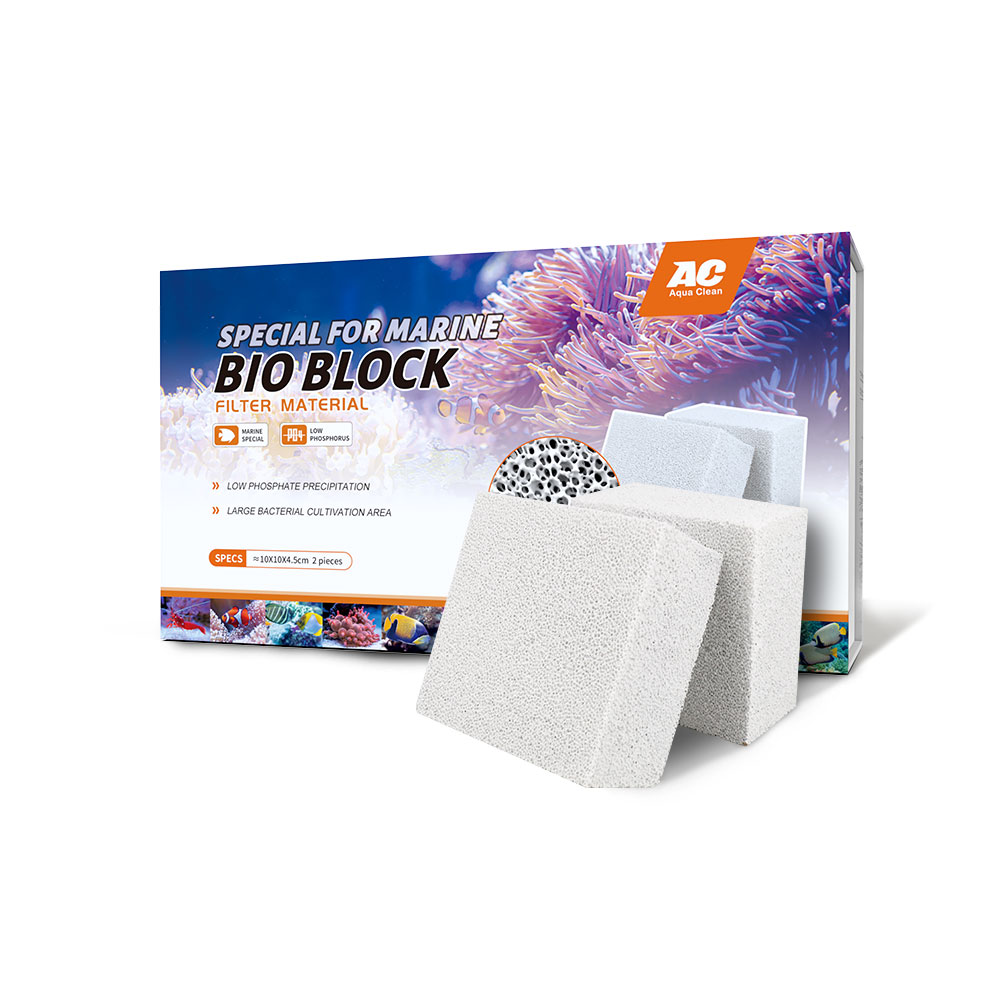
Addressing the specific needs of marine and reef aquariums, AC Aqua Clean presents the Special for Marine Bio Block (Low-Phosphate Marine Bio-Filter Brick). From material selection to structural design, every aspect of this filter media is optimized around the core requirements of marine ecosystems.
2.1 Extremely Low Phosphate Content: Controlling Algae at the Source
Marine aquarists are far more sensitive to phosphate levels than freshwater hobbyists. When PO₄ concentration exceeds 0.03 ppm, it can trigger troublesome dinoflagellates, brown algae, or green hair algae. Conventional ceramic rings or glass rings often have uncontrollable phosphate leaching, whereas the Special for Marine Bio Block has been tested by X-Ray Fluorescence (XRF) analysis with a phosphate content of just 0.0274%—an extremely low level. This means the media itself won't become a "phosphate pollution source" in your tank. Combined with sensible feeding and water change routines, it becomes much easier to maintain the ultra-low nutrient system (ULNS) that coral tanks demand.
2.2 Open-Porosity Structure: Say Goodbye to Clogging
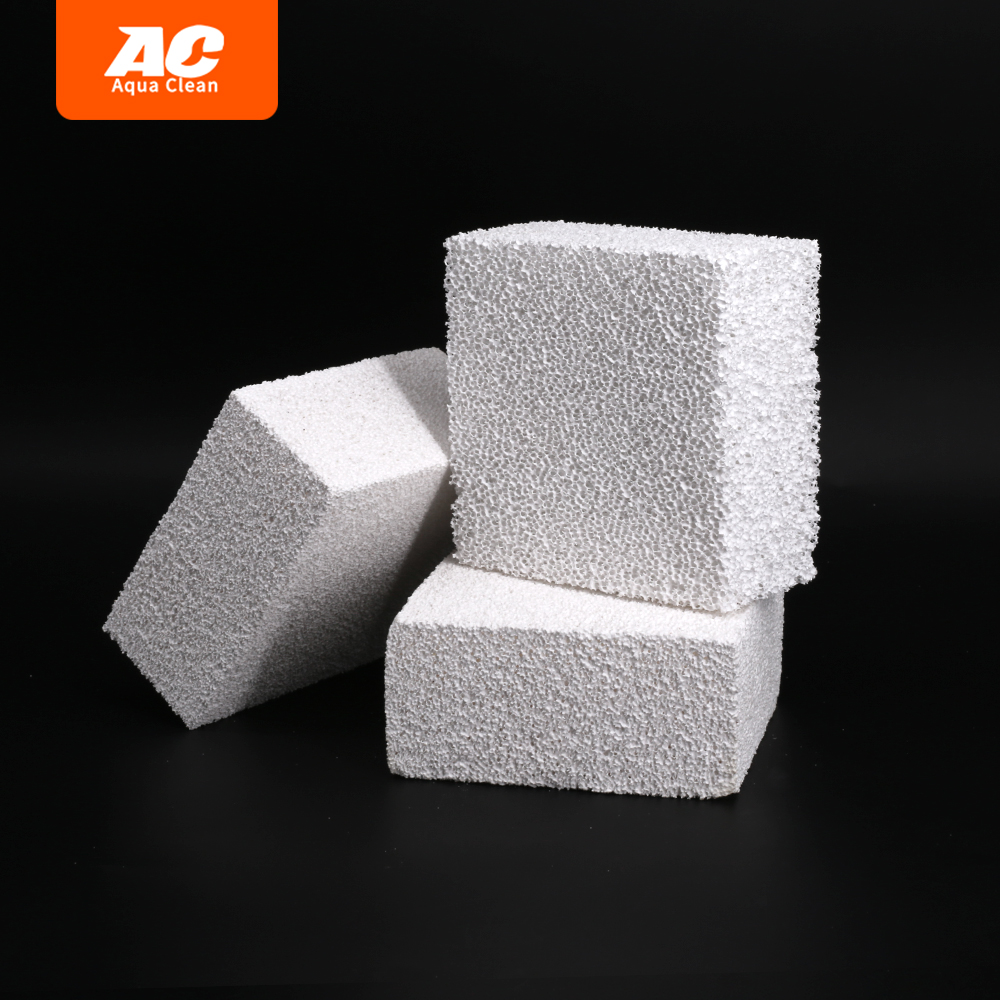
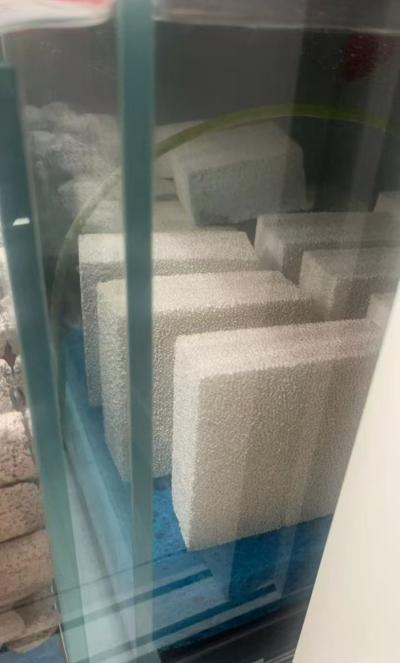
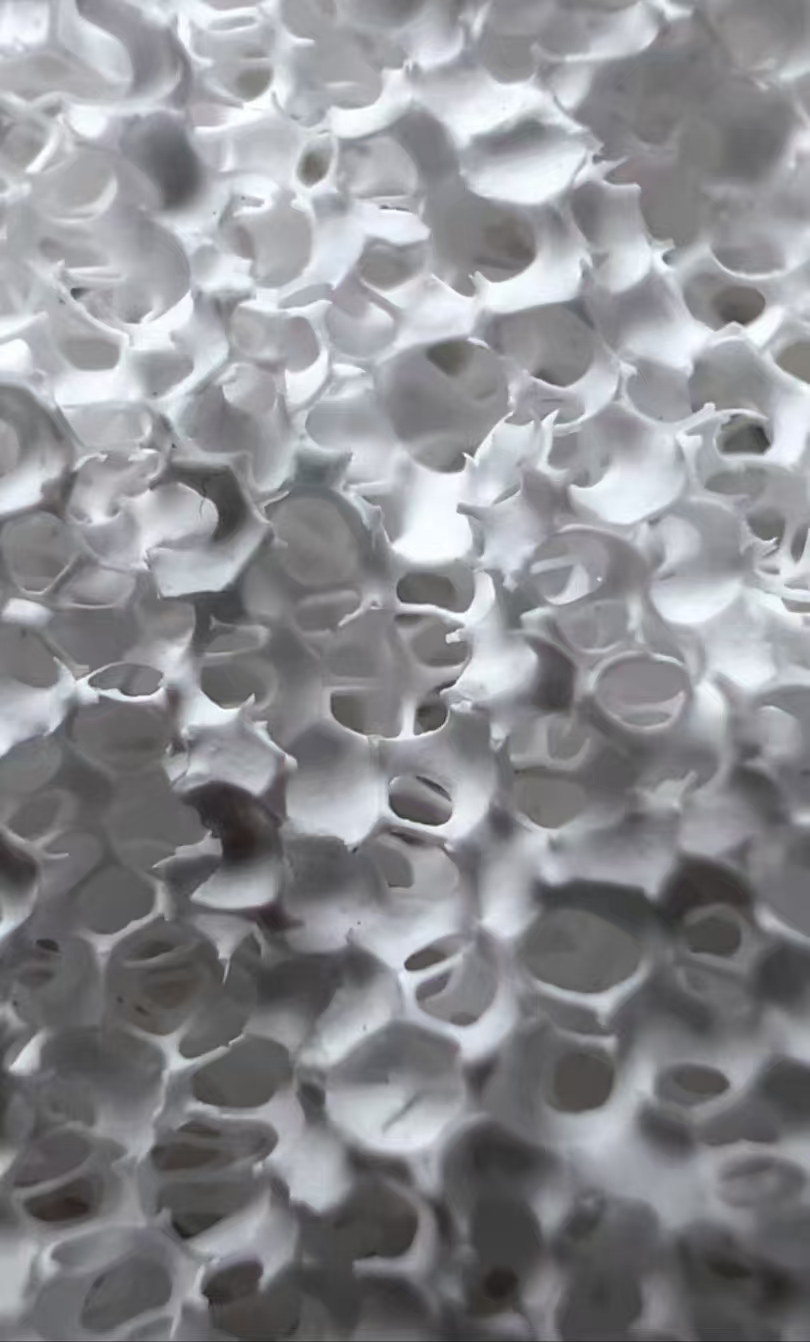
The physical structure of filter media directly impacts the long-term stability of the filtration system. The Special for Marine Bio Block features an open-porosity design where pores are interconnected rather than closed off, allowing water to flow through the entire interior of the brick rather than merely skimming the surface. This structure delivers two significant advantages:
- Anti-Clogging: Organic debris and suspended particles are less likely to accumulate within the pore channels, maintaining high water flow rates even after extended operation;
- Adequate Oxygen Supply: Unobstructed water flow ensures continuous dissolved oxygen delivery to nitrifying bacteria, preventing colony collapse due to oxygen deprivation.
For sump filtration or back-filter/side-filter systems, this "non-clogging" characteristic is particularly important—it reduces maintenance frequency and lowers the risk of system failure caused by flow restriction.
2.3 Vast Surface Area: An Ideal Habitat for Nitrifying Bacteria
Nitrifying bacteria are chemoautotrophs that do not float freely in the water column; instead, they attach to solid surfaces to form biofilms for metabolic activity. Therefore, the larger the effective surface area of the filter media, the greater the total bacterial population it can support, and the stronger the biological filtration capacity.
Through a specialized sintering process, the Special for Marine Bio Block creates an extremely rich rough surface and capillary pore network at the microscopic level, providing ideal colonization conditions for Nitrosomonas (which convert ammonia to nitrite) and Nitrobacter (which convert nitrite to nitrate). A single 10×10×4.5 cm brick offers far more internal habitable surface area than conventional media of the same volume—essentially providing a "high-density residential district" for your tank's nitrification system.
3. Water Safety: Beyond Low Phosphate
Beyond core functional metrics, the safety of aquarium filter media is equally critical. The Special for Marine Bio Block performs admirably in this regard as well:
3.1 Minimal Aluminum Ion Leaching
The media is primarily composed of high-purity α-Al₂O₃ (alpha-alumina), a material with stable chemical properties and resistance to acid and alkali corrosion. ICP-MS (Inductively Coupled Plasma Mass Spectrometry) immersion testing shows an aluminum ion leaching level of just 0.005 ppm, well below national drinking water standards (0.2 mg/L) and filter media safety standards (0.02 mg/L). For marine organisms sensitive to metal ions—such as SPS corals and certain invertebrates—this extremely low leaching level translates to higher biological safety.
3.2 No Heavy Metals Detected
The product has undergone heavy metal testing by SGS laboratory in accordance with EU RoHS Directive (EU 2015/863). Cadmium (Cd), Lead (Pb), Mercury (Hg), and Hexavalent Chromium (Cr(VI)) were all Not Detected (ND). This ensures that the media will not release harmful heavy metals into the water during long-term immersion, providing a safe environment for corals and marine fish.
4. Application Scenarios and Usage Recommendations
The Special for Marine Bio Block is designed for use in marine aquarium filter compartments, including:
- Biological filtration zones in sump systems: As the primary biological filtration medium, place it after filter floss or protein skimmers in areas with good water flow;
- Back-filter/side-filter compartments: Space-limited marine tanks can leverage its high specific surface area to achieve efficient biological filtration within compact spaces;
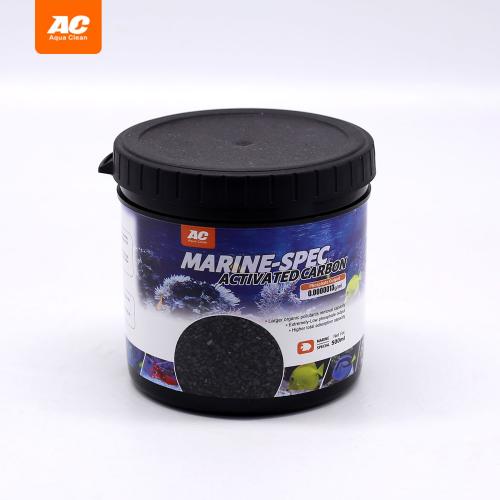
- Supplementary filtration for reef tanks and FOT (Fish-Only Tanks) systems: Combine with protein skimmers, activated carbon, and other physical/chemical filtration methods to build a comprehensive water quality management system.
Specifications:
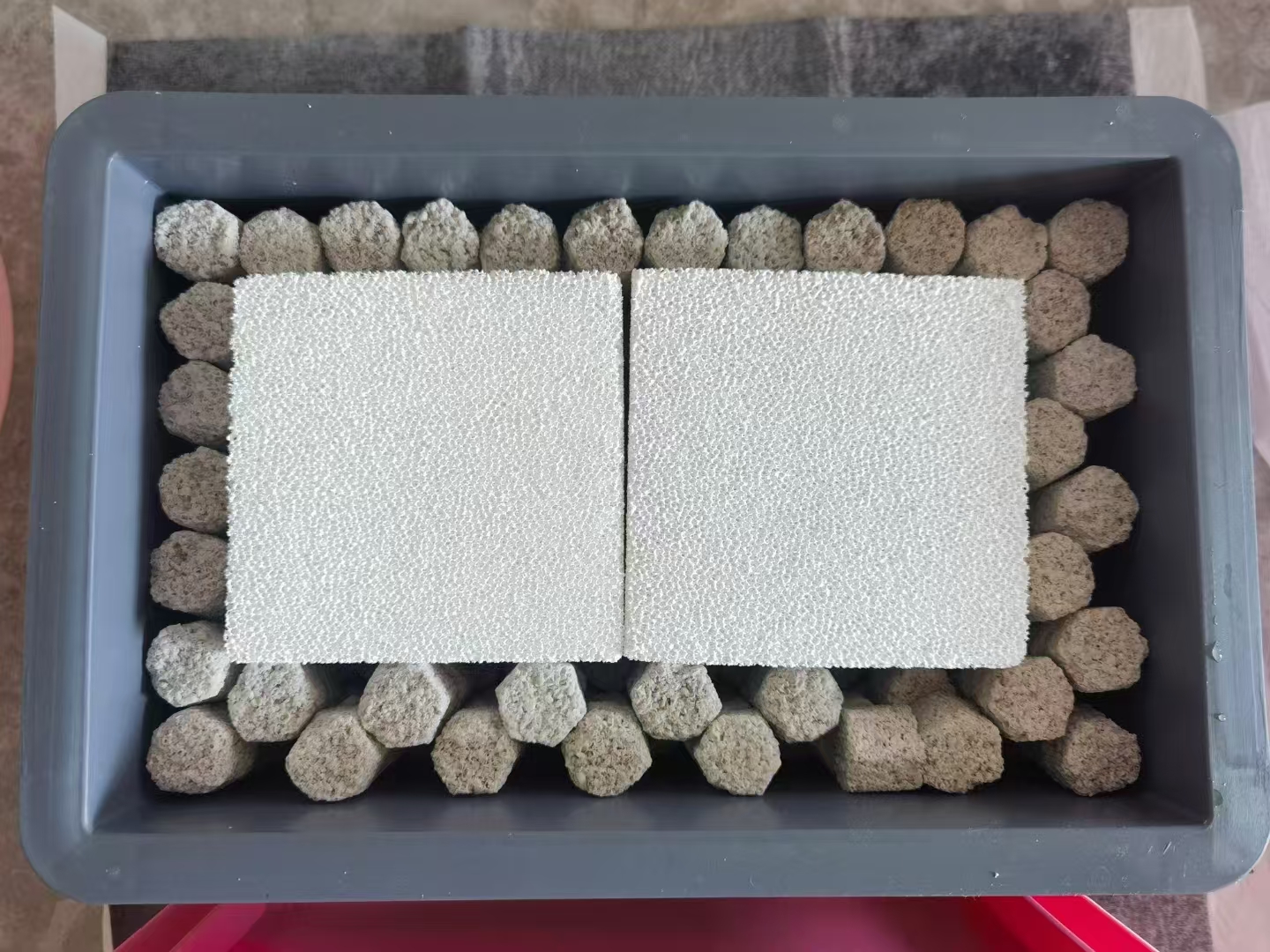
- Dimensions: 10×10×4.5 cm
- Packaging: 1 piece/box or 2 pieces/box
- Primary Functions: Cultivating nitrifying bacteria, removing ammonia and nitrite from water
Choosing Filter Media Is Setting Your Water Quality Baseline
In marine aquarium keeping, filter media is the infrastructure of water quality management, yet its material and craftsmanship details are often overlooked. Quality bio-filter media should function like a silent guardian—releasing no harmful substances, adding no maintenance burden, imposing no system limitations. It simply and stably supports billions of nitrifying bacteria, quietly maintaining the nitrogen cycle balance of your water.
The AC Aqua Clean Special for Marine Bio Block, with its extremely low phosphate content, open-porosity structure, and vast bacterial cultivation area, offers reef and marine tank enthusiasts a trustworthy choice. Whether you're selecting media for a new tank cycle or considering upgrading the biological filtration capacity of your existing system, make "low phosphate" your primary screening criterion—because in a reef tank, less is more, especially when it comes to phosphates.