Algae Outbreak, Dull Corals? Phosphate Might Be the Culprit! AC Phosphate Remover Has You Covered
Update time: 26-05-07 Views: 236
The "Invisible Killer" in Your Aquarium — Phosphate
If you've kept a reef tank or planted freshwater aquarium, you know the frustration: you're doing regular water changes, your filtration system seems adequate, yet algae keeps taking over — green and brown algae coating the glass, corals losing their vibrant colors, and SPS corals even showing tissue recession. Many hobbyists immediately adjust lighting or water flow, but often overlook a critical parameter: phosphate (PO₄).
Phosphate is one of the most common "nutrients" in aquarium systems. It enters through uneaten fish food, biological waste, decaying organic matter, and even leaching from low-quality filter media. When phosphate levels exceed 0.1ppm, algae gain abundant "fertilizer" to explode. For reef keepers chasing pristine water quality, below 0.03ppm is the safety zone. Yet routine water changes and protein skimmers alone often struggle to stabilize phosphate at this level.
Why Traditional Phosphate Removal Methods Fall Short
Aquarists have tried various approaches: increasing water change frequency is time-consuming, and tap water itself may contain phosphates; liquid Phosphate Removers work fast but cause drastic fluctuations, stressing sensitive corals and shrimp; conventional adsorption media often suffer from low capacity, crumbling, and failure under high flow — clogging water channels or causing phosphate rebounds shortly after installation.
What you need is a truly efficient, stable, and durable phosphate adsorption media.
AC Phosphate Remover: High-Efficiency Phosphate Adsorption Media Engineered for Aquariums & Water Treatment
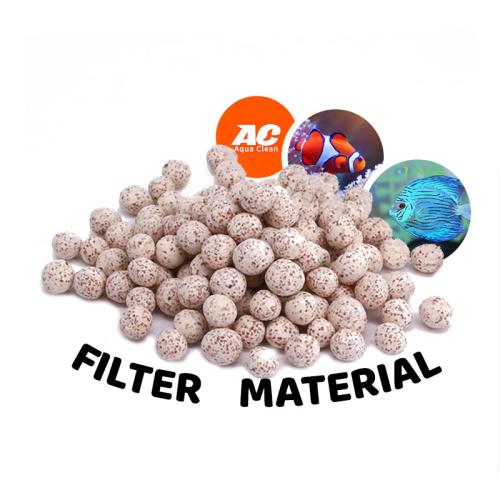
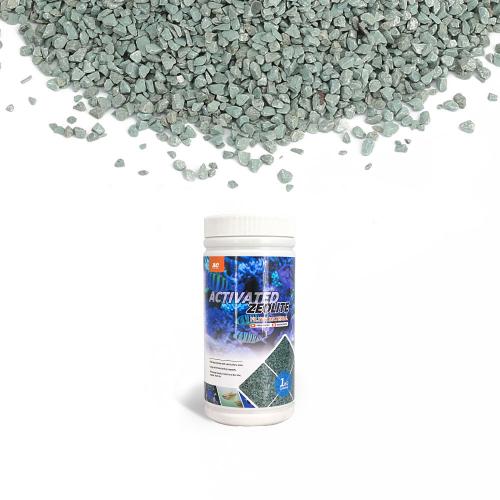
AC (Aqua Clean), a brand dedicated to aquarium filtration media R&D, addresses these pain points with Phosphate Remover PRO. This isn't just another chemical additive — it's a granular adsorption media based on an iron-based + aluminum-based composite formula, specifically designed for aquarium circulation filtration systems.
Core Advantage 1: Ultra-High Adsorption Capacity for Rapid Phosphate Reduction
AC Phosphate Remover features a specialized manufacturing process creating a microstructure with high porosity and high specific surface area. This means every granule contains abundant "micro-pore channels," providing massive binding sites for phosphate ions. Laboratory data shows its phosphate binding capacity reaches 1.99mg/g, far exceeding most comparable products on the market.
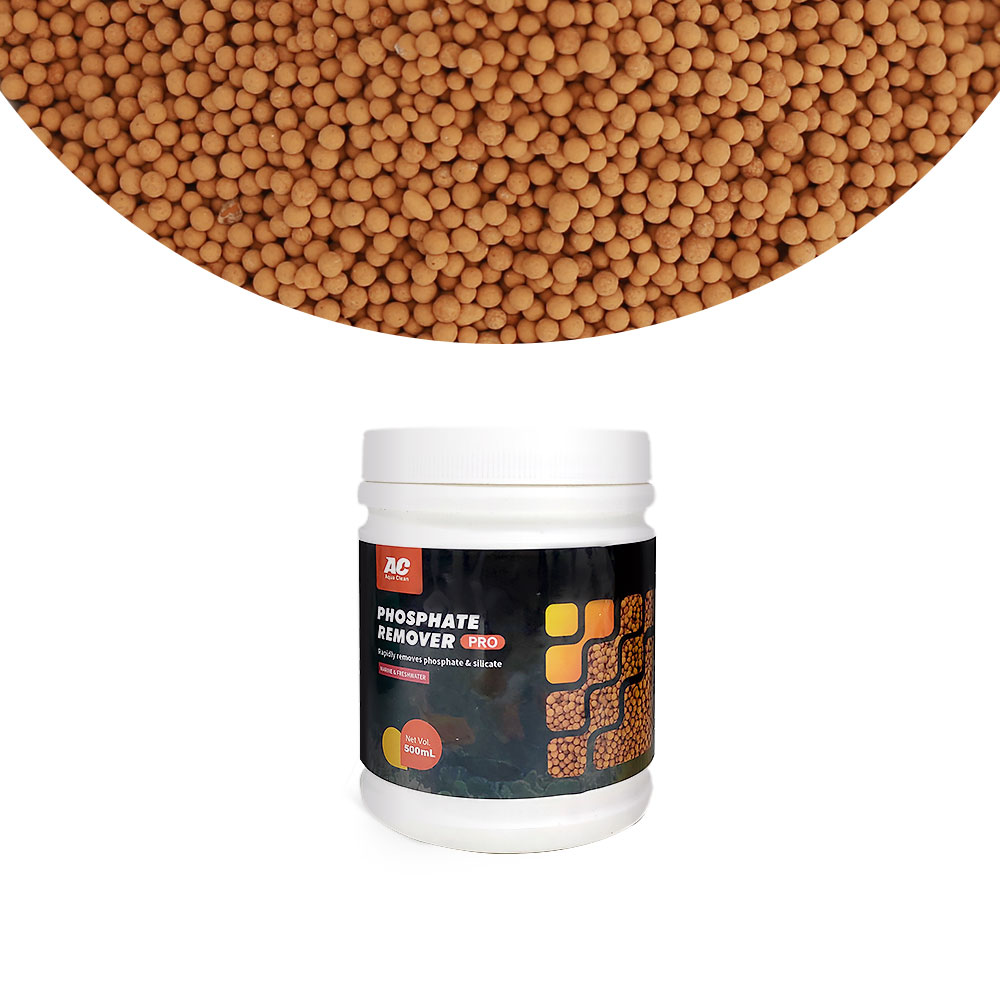
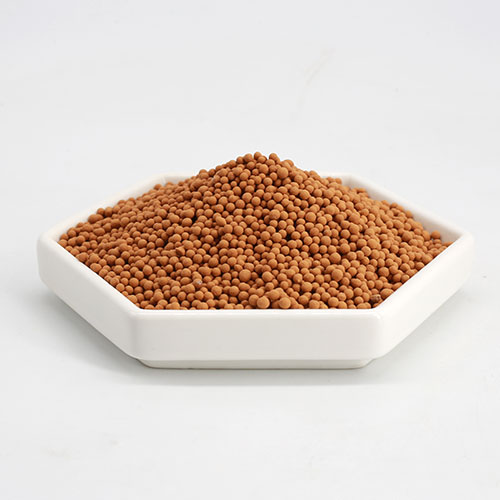
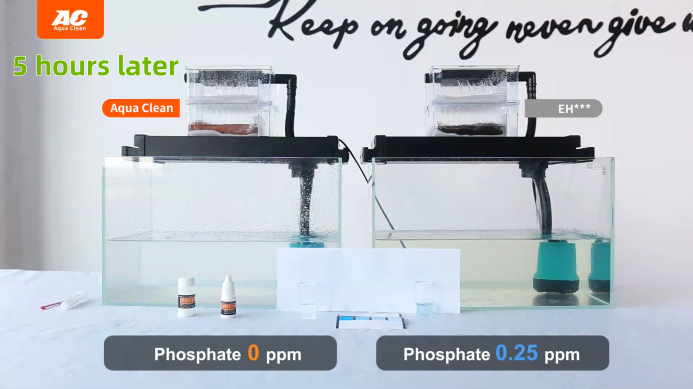
In real-world use, AC Phosphate Remover rapidly pulls phosphate levels down. Whether during the initial cycling phase of a new tank or tackling chronic phosphate elevation in an established system, it delivers swift intervention.
Core Advantage 2: Stable Performance Under High Flow, No Crumbling or Clogging
This is the user experience aquarists care about most. Ordinary adsorption media in canister filters or sump compartments often crumble under water flow, causing fine particles to clog pumps and plumbing, or suffer dramatic surface area loss and effectiveness collapse.
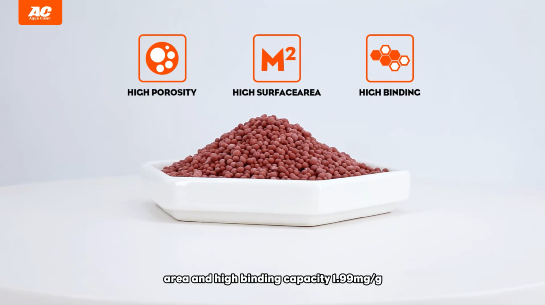
AC Phosphate Remover granules undergo special strength treatment, featuring uniform morphology and high mechanical strength. Even under high flow rates in circulation filtration systems, aquariums, and ponds, it maintains excellent removal efficiency without performance degradation or granule breakdown. You can confidently place it in sump filter compartments, canister filters, or hang-on-back filters without worrying about powder contamination.
Core Advantage 3: Long-Term Maintenance, Locking Phosphate Below the Safety Line
Phosphate removal isn't a one-time fix — sustained stability is key. Through steady, continuous adsorption, AC Phosphate Remover maintains phosphate concentrations at the extremely low level of 0.03ppm over extended periods. For reef tanks, this is the "golden standard" — effectively suppressing algae growth while avoiding coral "starvation" from overly depleted phosphate (some corals require trace phosphate for metabolic balance).
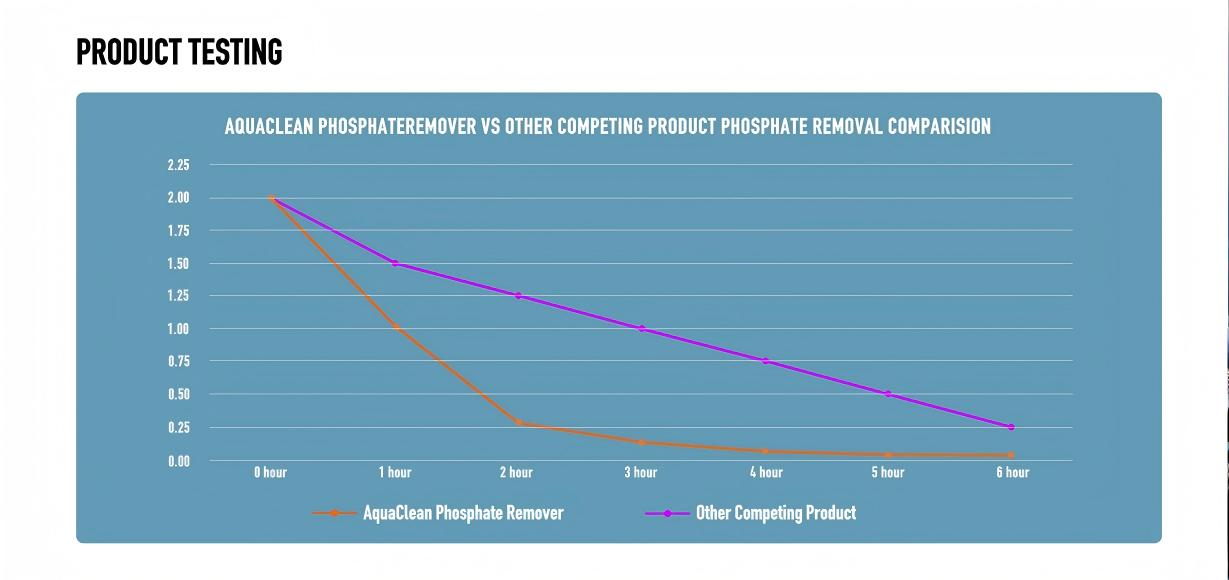
For marine reef tanks, FOT (Fish-Only Tanks), and demanding planted freshwater aquariums, this rock-steady phosphate control means less time spent testing and tweaking water chemistry, and more time enjoying your aquatic life.
Core Advantage 4: Reusable, Economical & Eco-Friendly
Thanks to its high granule strength and resistance to powdering, AC Phosphate Remover can be regenerated for multiple cycles after saturation (please refer to product instructions for specific methods). Compared to disposable media or continuously dosed liquid additives, it offers lower long-term costs and aligns with eco-conscious practices.
Who Needs AC Phosphate Remover?
- Reef Tank Hobbyists: SPS/LPS corals are extremely sensitive to water quality. Stable low-phosphate conditions are fundamental to vibrant coloration. AC Phosphate Remover helps maintain PO₄ in the ideal range, reducing brown algae and hair algae encroachment on corals.
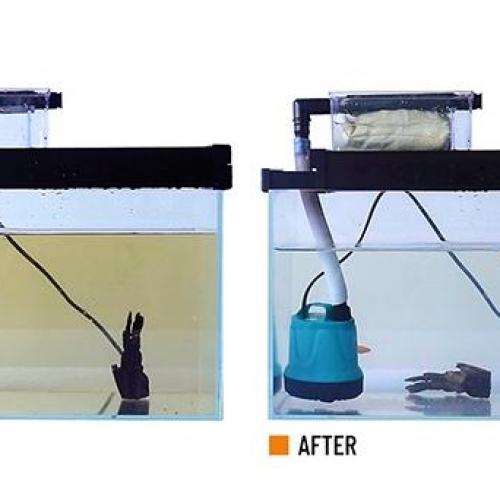
- Those Battling Algae Outbreaks: If your glass never stays clean and algae persists despite low nitrates, phosphate is likely the hidden driver. Using Phosphate Remover combined with regular water changes typically shows visible improvement within 2-4 weeks.
- New Aquarium Cycling: New tanks accumulate organics quickly, causing phosphate spikes. Placing AC Phosphate Remover in your filtration system from the start prevents algae from gaining the upper hand.
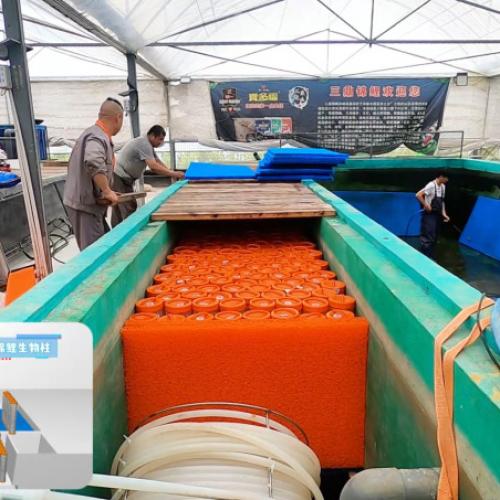
- Ponds & Large-Scale Circulation Systems: Thanks to its resistance to high flow impact, it's also suitable for outdoor pond circulation filter compartments, helping control water eutrophication.
Product Specifications at a Glance
Specification
Details
Product Name
AC Phosphate Remover (Iron-based & Aluminum-based composite)
Package Size
500mL/bottle
Primary Function
High-efficiency phosphate adsorption, water quality stabilization
Applications
Marine aquarium filter compartments, freshwater tanks, pond circulation systems
Packaging
Bottled granular media for easy dispensing and storage
Usage Recommendations
1. First Use: Rinse briefly with RO water or dechlorinated water to remove surface dust and prevent fine particles from entering the aquarium.
2. Placement: Position in filter compartments with water flow, such as sump chambers or canister filter middle trays. Ensure even water distribution through the media.
3. Dosage Reference: Adjust based on water volume and initial phosphate concentration. Generally, 500mL treats approximately 200-400L of water (varies by pollution level).
4. Monitoring: Test phosphate every 3-5 days initially; extend to weekly once stable. Replace or regenerate when adsorption effectiveness noticeably declines.
Final Thoughts
Aquarium keeping is fundamentally about simulating nature and balancing ecosystems. Phosphate management is one of the most basic yet most overlooked aspects of water quality control. Rather than scrambling after an algae outbreak, choose a reliable adsorption media to eliminate risks before they start.
With its high adsorption capacity, flow resistance, and long-term stability, AC Phosphate Remover has become a staple in the filter compartments of experienced aquarists worldwide. If you're struggling with phosphate fluctuations or persistent algae issues, add a bottle of AC Phosphate Remover to your filtration system — bring back crystal-clear water and let your corals and fish show their best colors.