Why Is Your Aquarium Water Always Yellow? A Complete Guide to Organic Removal
Update time: 26-07-22 Views: 115
1. Why Does Your Tank Water Turn Yellow?
For aquarium enthusiasts, crystal-clear water is the foundation of a great viewing experience. Yet yellow water is a problem that plagues nearly every aquarist—especially after adding driftwood, Indian almond leaves, or other natural decorations. The culprit behind this discoloration is primarily tannins (tannic acid) and other natural organic pigments released into the water.
Beyond driftwood-induced yellowing, several other factors can compromise your water quality:
- Medication residues: Leftover treatments such as methylene blue or yellow powder (malachite green) lingering in the water column
- Organic waste buildup: Decomposing fish waste, uneaten food, and decaying plant matter
- Heavy metal ions: Copper, zinc, and other trace metals present in tap water
These contaminants not only cloud and discolor your water but also produce fishy odors and sulfide smells from decomposing organic matter—seriously degrading the visual appeal of your aquarium and potentially threatening the health of your fish.
2. The Limitations of Traditional Yellow Water Solutions
Many aquarists have tried various methods to improve water clarity:
Method
Pros
Cons
Activated Carbon
Affordable, some adsorption capability
Saturation occurs quickly; prone to crumbling; requires frequent replacement
Water Changes
Rapidly dilutes pollutants
Treats symptoms, not the cause; frequent changes disrupt the nitrogen cycle
Protein Skimmers
Effective for marine tanks
Limited effectiveness for organic removal in freshwater systems
Chemical Clarifiers
Fast results
Risk of secondary contamination; potentially harmful to fish and shrimp
So, is there a solution that is safe, highly effective, and reusable?
3. Polymer Adsorption Media: The Next Generation of Aquarium Filtration
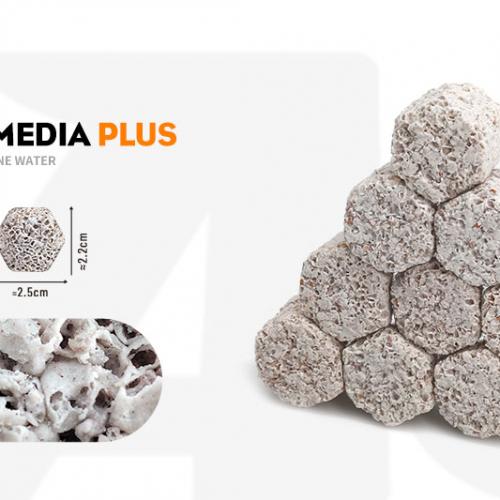
In recent years, a more advanced solution has emerged in the aquarium filtration space—high-performance polymer adsorption media. This material offers significant advantages over traditional activated carbon:
1. Superior Adsorption Capacity
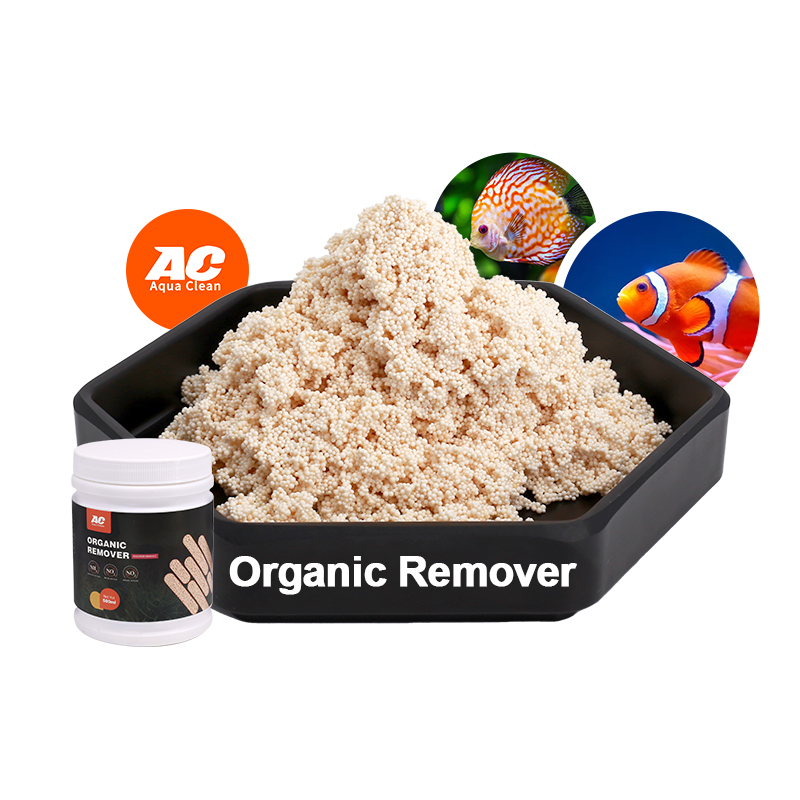
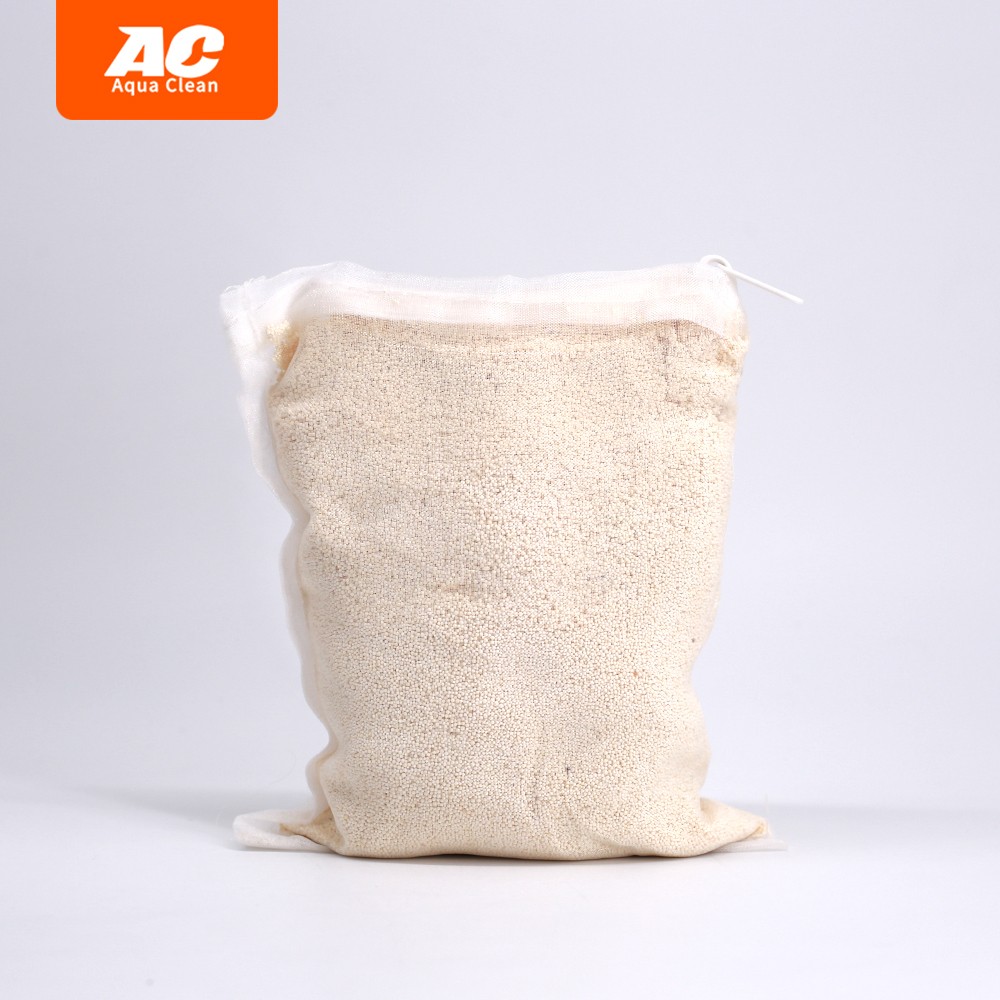
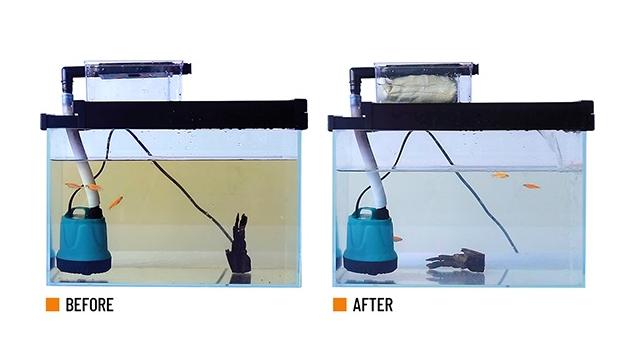
Polymer adsorption media features a larger surface area and a more complex pore structure, enabling it to rapidly adsorb yellow water pigments (such as tannins released by driftwood), residual medications, organic waste, and heavy metal ions—restoring cloudy water to a crystal-clear state.
2. Complete Odor Elimination
Beyond color removal, it effectively breaks down fishy odors and sulfide smells produced by decaying organic matter, keeping the water fresh and significantly enhancing the viewing experience.
3. Safe and Eco-Friendly
Specially processed to be non-toxic and harmless, this media releases no harmful substances during use. It has no negative impact on fish, aquatic plants, or the nitrifying bacteria system, making it safe for long-term use.
4. Regenerable and Cost-Effective
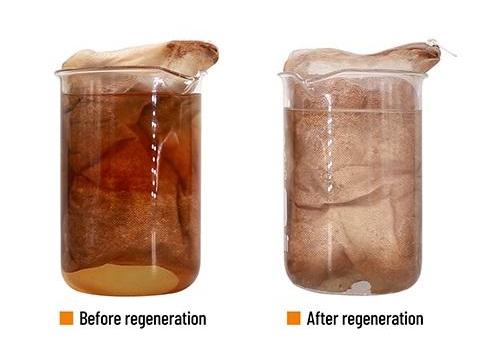
When the media reaches adsorption saturation (typically indicated by significant surface discoloration), simply place it in high-concentration saltwater (10%–20% salinity, or 100–200g of salt per liter of water) and soak for 24 hours to restore its adsorption capacity. Compared to disposable filter media, it offers lower long-term costs and is more environmentally friendly.
4. How to Use Organic Remover Correctly
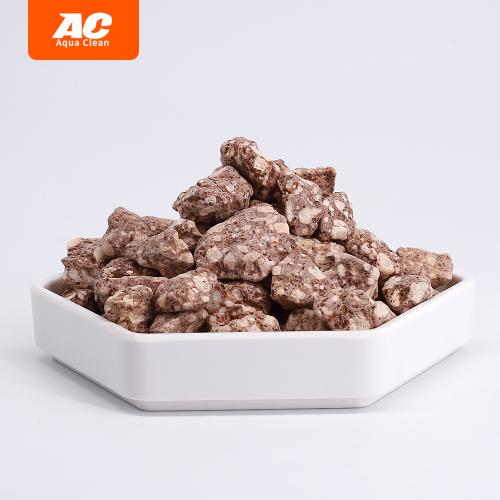
Using AC Aquarium Organic Remover as an example, here is the recommended approach:
Recommended Applications: Hang-on-back filters, trickle filters, canister filters, sump filters, and other filtration systems
Instructions:
1. Place the Organic Remover in your filter chamber or canister, ensuring water flows through it adequately
2. Monitor water changes; visible results typically appear within hours to a few days
3. When the resin shows significant surface discoloration, remove it for saltwater regeneration
4. After regeneration, rinse with clean water and return to use
Important Notes:
- Start with a conservative amount and adjust based on how quickly your water clears
- Ensure saltwater concentration is sufficient during regeneration; insufficient salinity will reduce effectiveness
- Although the material is safe, continue to monitor key water parameters (ammonia, nitrite, etc.) regularly
Aquarium keeping is a hobby that requires both patience and scientific methodology. Crystal-clear water is not just about aesthetics—it is fundamental to the health and survival of your aquatic life. Choosing a high-performance, safe, and reusable filtration medium can make your fishkeeping journey far more rewarding.
If you are struggling with yellow water or unpleasant odors in your aquarium, consider trying this new generation of polymer adsorption media. Give your tank water the clarity it deserves.